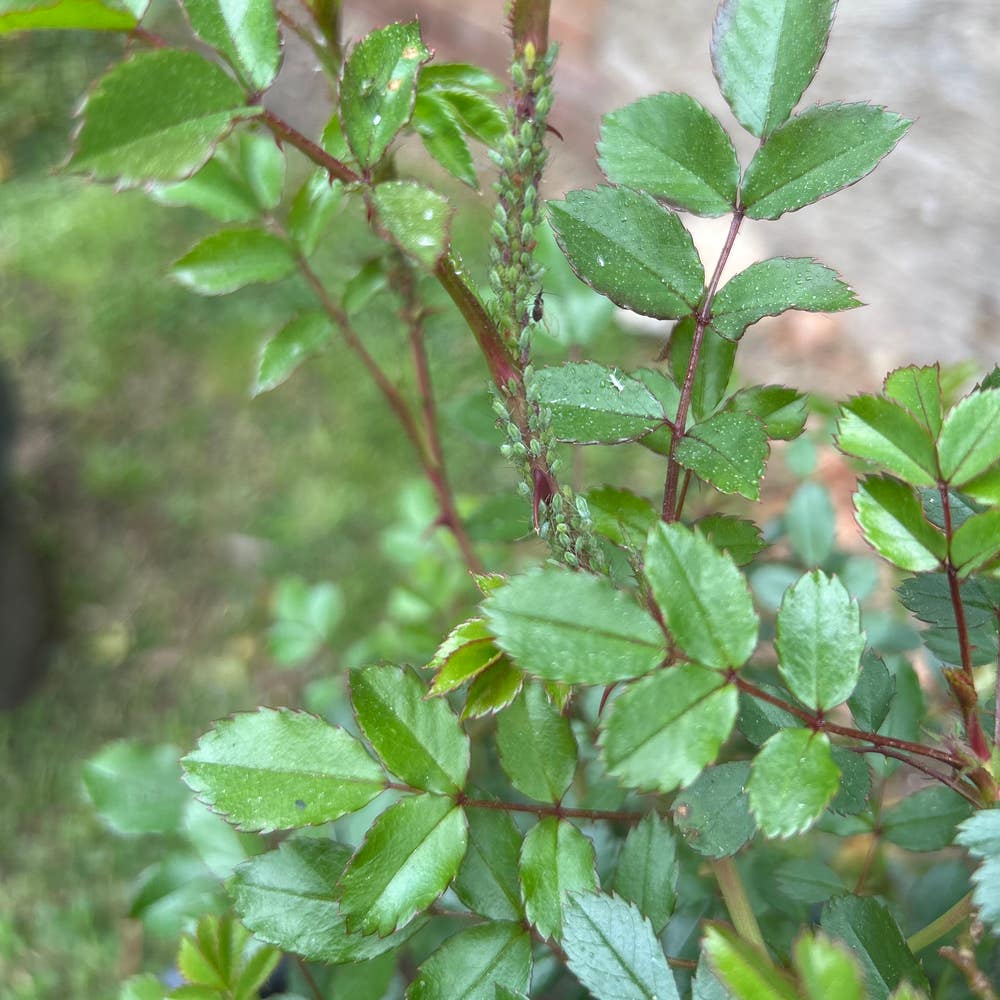
Ultimate Guide to Soil for Climbing Rose 🌹
Rosa spp.
By the Greg Editorial Team
Nov 25, 2024•6 min read
This article was created with the help of AI so we can cover more plants for you. May contain errors. See one? Report it here.
- 🌱 Ideal soil pH for climbing roses is 6.0 to 6.8 for optimal growth.
- 🧪 Test soil pH easily with DIY kits or professional analysis for accuracy.
- 🌿 Improve soil health by aerating and adding organic matter to combat compaction.
Soil pH and Nutrient Needs
Ideal pH Range 🌱
The ideal pH level for climbing roses falls between 6.0 and 6.8. This range is crucial as it directly influences nutrient uptake, ensuring your roses receive the essential elements they need to thrive.
When soil pH is too high or too low, it can hinder the availability of nutrients. For instance, a pH below 6.0 can lead to deficiencies in vital nutrients like nitrogen and phosphorus, while a pH above 6.8 may limit iron availability, causing chlorosis in your plants.
How to Test Soil pH 🧪
Testing your soil pH is a straightforward process. You can choose between DIY testing kits or professional laboratory analysis, depending on your preference and needs.
DIY Testing Kits: These kits are widely available and typically include pH test strips or a meter. They offer a quick and easy way to gauge your soil's acidity.
Laboratory Testing: If you want a more comprehensive analysis, consider sending a soil sample to a lab. This option is particularly useful if you're facing persistent issues with your climbing roses.
Adjusting Soil pH ⚖️
Once you know your soil's pH, you may need to adjust it to create the perfect environment for your climbing roses.
To raise soil pH, adding lime is a common technique. Aim for about 5 to 10 pounds of lime per 100 square feet, and apply it in the fall or early spring for the best results.
Conversely, if you need to lower soil pH, incorporating sulfur or acidic organic matter, like pine needles or peat moss, can effectively acidify your soil. Regularly check your pH after adjustments to ensure it stays within the ideal range.
Understanding and managing soil pH is essential for nurturing healthy climbing roses. With the right pH and nutrient balance, your roses will flourish, setting the stage for the next topic on identifying unhealthy soil conditions.
Identifying Unhealthy Soil
Signs of Unhealthy Soil 🌱
Recognizing unhealthy soil is crucial for the vitality of your climbing roses. Two primary visual indicators are moldy soil and compacted soil.
Moldy soil often appears dark and damp, signaling poor drainage and potential fungal issues. This can lead to root rot, which is detrimental to your roses.
Compacted soil, on the other hand, feels hard and dense. This condition restricts root growth and limits the plant's access to water and nutrients.
Common Soil Problems ⚠️
Moldy soil in roses typically arises from overwatering or inadequate drainage. To prevent this, ensure your soil mix promotes good airflow and drainage.
Soil compaction can occur from heavy foot traffic or improper tilling. This condition can stifle root development and hinder your climbing roses' ability to thrive.
Solutions for Unhealthy Soil Conditions 🛠️
To remediate moldy soil, focus on improving air circulation and drainage. Consider incorporating organic matter to enhance soil structure and promote healthy microbial activity.
For alleviating soil compaction, aeration is key. Use tools like garden forks or aerators to create holes in the soil, allowing roots to penetrate more easily and access vital nutrients.
By addressing these issues, you can create a healthier environment for your climbing roses to flourish. Next, we’ll explore how to create a homemade soil mix that supports optimal growth.
Creating a Homemade Soil Mix
Step-by-Step Guide to Making a Homemade Soil Mix 🌱
Creating a homemade soil mix for climbing roses is both rewarding and essential for their health. Follow these simple steps to ensure your roses thrive.
Gather materials: Start by collecting the necessary ingredients. You'll need compost, perlite or vermiculite, and peat moss or coconut coir.
Mixing ratios: Aim for a balanced blend. A good starting point is 40% compost, 30% perlite or vermiculite, and 30% peat moss or coconut coir.
Combining ingredients: Use a large container or wheelbarrow for mixing. Thoroughly combine the ingredients to ensure an even distribution of nutrients and texture.
Recommended Ingredients for a Nutrient-Rich Soil Mix 🥕
To create an optimal soil mix for climbing roses, focus on these key components:
Compost: This is your powerhouse ingredient. It provides essential nutrients and beneficial microbes that promote healthy growth.
Perlite or vermiculite: These materials enhance drainage and aeration. They prevent soil compaction, allowing roots to breathe and grow freely.
Peat moss or coconut coir: Both options improve moisture retention. They help maintain consistent moisture levels, which is crucial for climbing roses.
By carefully selecting and mixing these ingredients, you set the stage for vibrant climbing roses. This homemade soil mix not only supports their growth but also fosters a thriving ecosystem in your garden.
As you prepare your soil, remember that seasonal care is just as important. Let's explore how to prepare your soil for climbing roses in spring.
Seasonal Soil Care
🌱 How to Prepare Soil for Climbing Roses in Spring
Spring is the perfect time to give your climbing roses a fresh start. Begin by testing your soil pH and nutrient levels to ensure they are within the optimal range.
Next, based on your test results, add necessary amendments. This could include lime to raise pH or sulfur to lower it, along with organic matter to boost nutrient content.
❄️ Winter Soil Care Tips
As winter approaches, protecting your soil is crucial for the health of your climbing roses. One effective method is mulching, which insulates the roots and retains moisture.
Additionally, take steps to prevent erosion and nutrient loss during the colder months. This can be achieved by covering the soil with organic mulch, which not only protects but also enriches the soil as it breaks down.
With these seasonal care tips, your climbing roses will thrive, ready to burst into bloom come spring. Now, let’s explore some common misconceptions about rose soil.
Common Misconceptions about Rose Soil
🌱 Myths About Soil Types for Climbing Roses
Many gardeners hold misconceptions about the ideal soil types for climbing roses. One prevalent myth is that heavy clay soils are unsuitable for these plants.
While heavy clay can pose challenges, it can be improved with the right amendments. Adding organic matter can enhance drainage and nutrient availability, making clay a viable option for climbing roses.
🌍 Clarifying the Need for Specific Soil Conditions
Different climbing rose varieties thrive in tailored soil conditions. For instance, 'New Dawn' prefers well-drained soil with a slightly acidic pH, while 'Eden' flourishes in loamy soil rich in organic matter.
Understanding the specific needs of each variety is crucial for successful growth. 'Climbing Iceberg' also benefits from a balanced mix that retains moisture without becoming waterlogged.
🧪 Addressing Misconceptions About Soil Amendments
There’s often confusion surrounding organic versus inorganic soil amendments. Organic amendments, like compost, enrich the soil with nutrients and improve its structure, while inorganic options can provide quick nutrient boosts.
Both types play essential roles in maintaining a balanced nutrient supply for climbing roses. Striking the right balance ensures your roses receive the nourishment they need to thrive.
As you navigate these misconceptions, remember that informed choices lead to healthier climbing roses. Next, let’s explore how to prepare your soil for seasonal changes to keep your roses flourishing year-round.
⚠️ Safety First
This content is for general information and may contain errors, omissions, or outdated details. It is not medical, veterinary advice, or an endorsement of therapeutic claims.
Always consult a qualified healthcare professional before using any plant as food, medicine, or supplement.
Never eat any plant (or feed one to pets) without confirming its identity with at least two trusted sources.
If you suspect poisoning, call Poison Control (800) 222-1222, the Pet Poison Helpline (800) 213-6680, or your local emergency service immediately.
Spotted an error? Please report it here.
Cultivate stunning climbing roses 🌹 with Greg's tailored soil care tips and reminders to keep your garden thriving in the perfect environment!