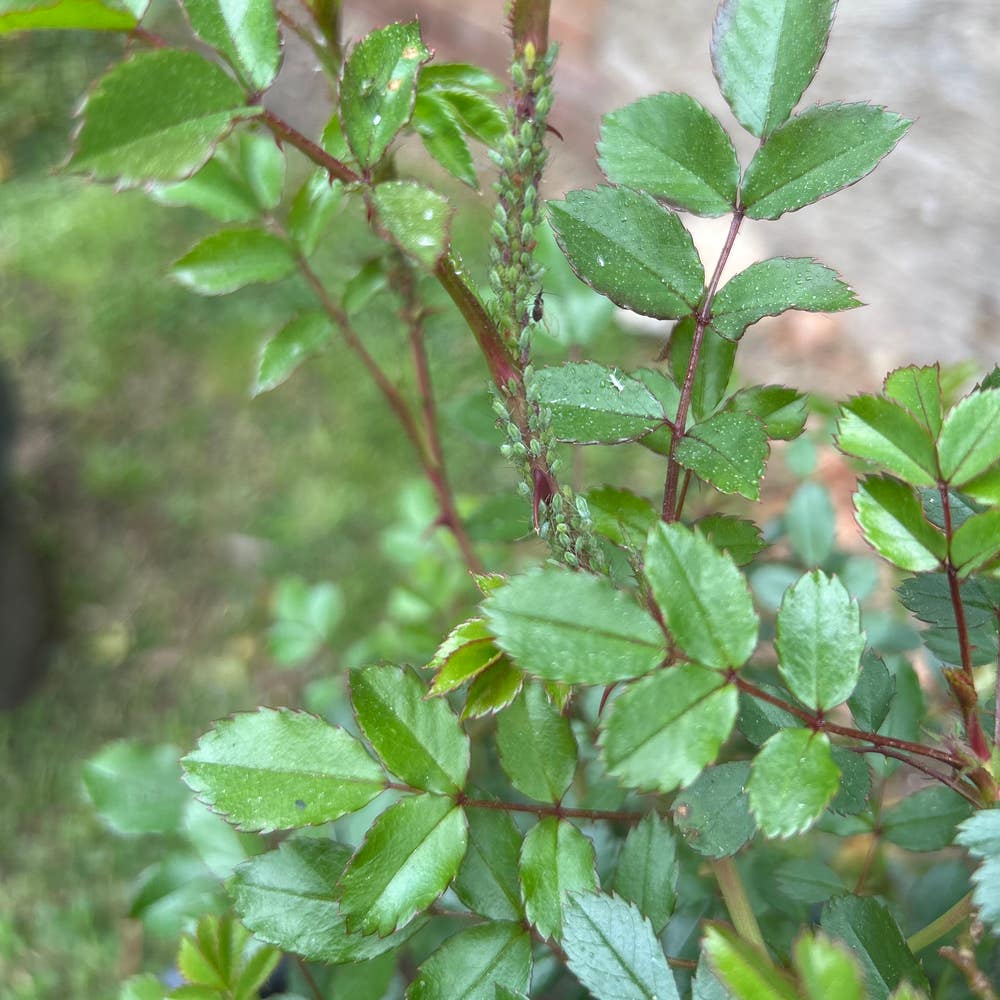
🌹 All About Rosa horrida: Essential Facts
Rosa spp.
By the Greg Editorial Team
Jan 10, 2025•13 min read
This article was created with the help of AI so we can cover more plants for you. May contain errors. See one? Report it here.
- 🌞 Rosa horrida needs 6-8 hours of sunlight for optimal growth and health.
- 🌱 Well-drained, fertile soil with pH 6.0-7.0 is essential for thriving plants.
- 🌼 Prune in late winter to shape Rosa horrida and remove dead wood effectively.
How to Grow
Choosing a Location 🌍
Rosa horrida thrives in full sun to partial shade, requiring about 6-8 hours of sunlight daily. When selecting a spot, consider wind protection and ensure good drainage to keep the roots healthy.
Soil Preparation 🏞️
For optimal growth, use well-drained, fertile soil. Aim for a soil pH between 6.0 and 7.0, and enrich it with organic matter to enhance fertility and drainage.
Planting Techniques 🌱
When planting, make sure the crown of the plant is level with the soil surface. Space your Rosa horrida plants 2-4 feet apart to promote air circulation and prevent disease.
Watering Requirements 💧
Regular watering is essential, but allow the soil to dry slightly between waterings. Deep watering encourages robust root growth, helping your plant thrive.
Fertilizing Schedule 🌿
Utilize a balanced NPK fertilizer to nourish your Rosa horrida. Apply it in early spring and again in mid-summer for the best results.
Pruning Methods ✂️
Prune your plants in late winter or early spring before new growth begins. Focus on removing dead or damaged wood and shaping the plant for a healthier appearance.
Ongoing Care for Outdoor and Container Growing 🪴
For container gardening, ensure your pots have adequate drainage and are the right size for growth. Applying mulch can help retain moisture and suppress weeds, making maintenance easier.
With these guidelines, you'll be well on your way to cultivating a beautiful Rosa horrida in your garden or containers. Next, let’s explore how to propagate this stunning plant effectively.
Propagation
🌱 Seed Propagation
To propagate Rosa horrida from seeds, start by collecting seeds from mature hips. This process is essential for ensuring healthy growth and can lead to vibrant new plants.
Next, you'll need to stratify the seeds. This involves placing them in a refrigerator at 40°F (4°C) for 30 days. This cold treatment mimics winter conditions, helping to break dormancy and promote germination.
✂️ Cutting Propagation
Another effective method is cutting propagation. For this, select cuttings that are 4-6 inches long from healthy stems. This ensures that the new plants have a strong start.
Use a rooting medium that consists of a mix of perlite and peat moss. This combination provides excellent drainage and aeration, crucial for root development.
Timing is key for successful cutting propagation. Aim to take your cuttings in late spring to early summer, as this is when the plant is most active and responsive to rooting.
With these techniques, you can easily expand your Rosa horrida collection and enjoy its beauty in your garden. Now that you know how to propagate this stunning plant, let's explore its lifecycle to understand how it grows and thrives over time.
Lifecycle
Lifecycle Stages 🌱
Rosa horrida is a perennial plant, meaning it returns year after year. This resilience allows gardeners to enjoy its beauty without needing to replant annually.
Germination Process 🌱
The germination process for Rosa horrida seeds typically takes 14 to 30 days under optimal conditions. Providing the right environment is crucial for successful sprouting.
Seedling Stage 🌱
Once germinated, the seedling stage lasts about 4 to 6 weeks before the young plants are ready for transplanting. During this time, they develop the foundational structures needed for growth.
Vegetative Growth 🌱
The vegetative growth phase occurs from late spring to early summer. This is when the plant focuses on developing leaves and stems, setting the stage for future blooms.
Flowering and Seed Production 🌱
Rosa horrida begins to flower in late spring to early summer. After the blooming period, which is a sight to behold, the plant produces seeds, typically in late summer.
Lifespan and Growth Timeline 🌱
Under optimal conditions, Rosa horrida can live for 5 to 10 years. It has a moderate growth rate, reaching maturity in about 2 to 3 years, allowing gardeners to enjoy its full splendor relatively quickly.
This lifecycle overview highlights the resilience and beauty of Rosa horrida, making it a rewarding addition to any garden. Next, let’s explore the size of this remarkable plant and what you can expect as it grows.
Size
Mature Height and Spread 🌹
Rosa horrida typically reaches a mature height of 3 to 5 feet, making it a striking addition to any garden. Its spread ranges from 2 to 4 feet, allowing for ample space to showcase its beautiful blooms.
Growth Rate and Size Variability 📈
This rose variety has a moderate growth rate, which can vary based on care and environmental conditions. With the right attention, you can expect it to flourish and fill out nicely.
Factors Affecting Size ⚖️
Several factors influence the size of Rosa horrida. Key elements include light exposure, soil quality, and water availability, all of which play a crucial role in its overall growth and health.
Understanding these aspects will help you create an optimal environment for your Rosa horrida, ensuring it thrives beautifully in your garden. Next, let’s explore the root system characteristics that support this stunning plant.
Roots
Root System Characteristics 🌱
Rosa horrida features a fibrous root system, which is essential for its stability and nutrient uptake. This type of root structure allows the plant to efficiently absorb water and nutrients from the soil.
Depth and Spread of Roots 📏
Typically, the roots of Rosa horrida extend to a depth of 12-18 inches. They also spread beyond the plant's canopy, which helps in anchoring the plant and accessing a larger volume of soil for resources.
Common Root-Related Issues ⚠️
One of the most common issues faced by Rosa horrida is root rot, often caused by overwatering. Additionally, plants in containers can suffer from rootbound conditions, where the roots become cramped and hinder growth.
Identifying Healthy vs. Unhealthy Roots 🔍
Healthy roots are firm, white, and spread well throughout the soil. In contrast, unhealthy roots appear dark, mushy, or may emit a foul smell, indicating a problem that needs addressing.
Recognizing and Addressing Rootbound Conditions 🪴
Signs of rootbound conditions include stunted growth and roots emerging from drainage holes. To remedy this, consider repotting the plant into a larger container or amending the soil to provide more space for root expansion.
Understanding the root system of Rosa horrida is crucial for its overall health and growth. Proper care can prevent common issues and ensure your plant thrives, setting the stage for the next section on its many benefits.
Benefits
Top 5 Benefits 🌟
Rosa horrida offers a variety of advantages that make it a fantastic addition to any garden. Here are the top five benefits you can enjoy:
Aesthetic Appeal: The vibrant flowers of Rosa horrida can transform your garden into a stunning visual feast. Their rich colors and unique shapes draw the eye and create a lively atmosphere.
Wildlife Attraction: This plant is a haven for pollinators. Bees, butterflies, and other beneficial insects are drawn to its blooms, helping to support local ecosystems.
Soil Improvement: When you prune Rosa horrida, the organic matter contributes to soil health. This natural process enriches the soil, promoting better growth for surrounding plants.
Cultural Significance: Rosa horrida symbolizes love and beauty in various cultures. Its presence in your garden can evoke feelings of romance and appreciation for nature's artistry.
Medicinal Uses: This plant has potential benefits in traditional herbal remedies. Its parts, particularly the rose hips, are known for their high vitamin C content and antioxidant properties.
These benefits make Rosa horrida not just a pretty face in the garden but a valuable asset for both the environment and your well-being.
As we explore further, let’s dive into the fascinating world of companion planting and discover which plants pair well with Rosa horrida.
Companion Plants
Concept of Companion Planting 🌱
Companion planting is a gardening strategy that enhances biodiversity and pest management. By pairing compatible plants, you can create a thriving ecosystem that benefits all involved.
Best Companion Plants 🌼
- Lavender: This fragrant herb not only repels pests but also attracts pollinators, making it a perfect partner for Rosa horrida.
- Marigolds: Known for their vibrant blooms, marigolds deter nematodes and other pests, providing a protective barrier around your roses.
- Catmint: This hardy plant attracts beneficial insects, which can help control pest populations naturally.
Plants to Avoid 🚫
When selecting companions for Rosa horrida, steer clear of other thorny plants. They compete for resources and space, potentially stunting growth and reducing overall health.
By thoughtfully choosing companion plants, you can enhance the beauty and resilience of your Rosa horrida garden. This approach not only improves plant health but also creates a more vibrant and diverse garden ecosystem.
Toxicity to Humans
🛡️ Safety of Rosa horrida for Humans
Rosa horrida is generally considered safe for humans. Major poison control centers do not list it as toxic, making it a worry-free addition to your garden.
⚠️ Potential Minor Issues
While serious toxicity is not a concern, some individuals may experience mild skin irritation or digestive discomfort if they consume large quantities. It's always best to enjoy these beautiful plants in moderation.
🚨 Cautionary Advice
Even with its safety profile, it's wise to exercise caution. If you notice any unusual symptoms after contact or consumption, seek medical advice promptly to ensure peace of mind.
With Rosa horrida, you can enjoy its beauty without the fear of toxicity, but always stay informed and cautious!
Edible
🌹 Edible Parts
Rosa horrida offers delightful edible parts, primarily its rose hips and petals. However, be cautious—thorns and stems are not edible.
🌱 Identification and Harvesting Techniques
To enjoy the best flavor, harvest rose hips after the first frost. This timing enhances their sweetness and nutritional value.
🍊 Nutritional Value and Health Benefits
Rose hips are packed with vitamin C and antioxidants, making them a fantastic addition to your diet. These nutrients can boost your immune system and promote overall health.
🍵 Cultural Uses
Culturally, rose hips and petals have found their way into various culinary delights. They are commonly used in teas, jams, and traditional remedies, showcasing their versatility and rich heritage.
As you explore the edible aspects of Rosa horrida, consider incorporating these parts into your meals or remedies. This not only enhances your culinary experience but also connects you to the plant's rich history and benefits.
Toxicity to Dogs
Safety of Rosa horrida for Dogs 🐶
Rosa horrida is generally safe for dogs. Major poison control centers do not list it as toxic, which is great news for pet owners.
Potential Minor Issues ⚠️
While it's not harmful, consuming large quantities of the plant may lead to mild gastrointestinal upset. It's always best to monitor your dog's behavior around any new plant.
Tips for Introducing to Homes with Dogs 🏡
When introducing Rosa horrida into your home, consider its placement carefully. Keep it out of reach of curious pups and observe their interactions to ensure they don’t nibble on it.
This way, you can enjoy the beauty of your Rosa horrida without worrying about your furry friends. Next, let’s explore how this plant interacts with our feline companions.
Toxicity to Cats
Safety of Rosa horrida for Cats 🐱
Rosa horrida is not considered toxic to cats by major poison control centers. This means you can enjoy its beauty without worrying about your feline friends getting harmed.
Potential Minor Issues ⚠️
While generally safe, consuming large quantities of the plant may lead to mild gastrointestinal upset in cats. It's always best to monitor their behavior around any plants.
Tips for Introducing to Homes with Cats 🏡
When introducing Rosa horrida into your home, consider its placement carefully. Keep it out of reach of curious paws and observe your cat’s interactions to ensure they don’t nibble on it excessively.
As you explore the joys of gardening with Rosa horrida, remember that a little caution goes a long way in keeping your furry companions safe. Now, let’s dive into the common problems that may arise with this beautiful plant.
Problems
Common Problems 🌱
Growing Rosa horrida can be rewarding, but it comes with its share of challenges. Here are some common issues you might encounter and how to tackle them effectively.
1. Incorrect Watering
Wilting or yellowing leaves are telltale signs of improper watering. Adjust your watering frequency to ensure the soil remains moist but not soggy.
2. Incorrect Light Conditions
If you notice leggy growth or scorched leaves, your plant may not be getting the right amount of light. Simply move it to a sunnier or shadier spot to help it thrive.
3. Incorrect Temperature
Stunted growth or leaf drop can indicate temperature stress. Protect your Rosa horrida from extreme temperatures to keep it healthy.
4. Diseases
Fungal issues like powdery mildew can plague your plant, showing up as white spots on leaves. Improve air circulation and apply fungicides to combat these diseases.
5. Leaf Issues
Yellowing or fuzzy growth can signal underlying problems. Check for pests or nutrient deficiencies to restore your plant's vitality.
By staying vigilant and addressing these common problems, you can ensure your Rosa horrida remains vibrant and healthy. Next, let’s explore the potential pest issues that could affect your plant.
Bugs
🐛 Potential Pest Issues
Rosa horrida is generally known for its moderate pest resistance, but that doesn’t mean it’s completely safe. Certain pests can still make an appearance, so it's essential to stay vigilant.
🔍 Identification of Common Pests
Two common culprits to watch out for are spider mites and mealybugs. Spider mites leave fine webbing on leaves, while mealybugs create white, cotton-like masses on stems.
⚠️ Damage Caused by Pests
These pests can cause significant damage, leading to leaf discoloration, stunted growth, and an overall decline in plant health. If you notice these symptoms, it’s time to take action.
🧪 Treatment Options
Fortunately, there are effective treatment options available. You can use insecticidal soap or neem oil to combat these pests, and introducing beneficial insects can also help keep them at bay.
By staying proactive and monitoring your Rosa horrida, you can enjoy its beauty without the worry of pest-related issues. Next, let’s explore what animals might be interested in snacking on your lovely plant.
What Eats Rosa horrida
Common Animals That May Damage 🦌
Rosa horrida, while beautiful, can attract a few unwelcome guests.
- Deer: These graceful creatures often browse on the leaves and stems, leaving behind telltale signs of nibbling.
- Rabbits: Known for their appetite, rabbits can be spotted by the chewed stems and leaves they leave in their wake.
- Squirrels: These energetic critters may dig around the base of the plant, causing disruption to the roots.
Types of Damage Caused ⚠️
The damage caused by these animals can be quite detrimental to your Rosa horrida.
- Leaf stripping: This can lead to reduced photosynthesis, weakening the plant.
- Stunted growth: Continuous feeding can hinder the plant's overall development.
- Overall plant decline: If left unchecked, these pests can significantly impact the health of your rose.
Deterrent Methods 🚫
To protect your Rosa horrida from these hungry animals, consider implementing a few deterrent methods.
- Fencing: A sturdy fence can keep deer and rabbits at bay.
- Repellents: Using commercial or homemade repellents can deter these pests effectively.
- Companion planting strategies: Planting alongside certain species can confuse or repel unwanted visitors, enhancing your garden's resilience.
By taking these proactive steps, you can enjoy the beauty of Rosa horrida without the worry of animal damage. Next, let's explore the common problems that may arise while caring for this stunning plant.
⚠️ Safety First
This content is for general information and may contain errors, omissions, or outdated details. It is not medical, veterinary advice, or an endorsement of therapeutic claims.
Always consult a qualified healthcare professional before using any plant as food, medicine, or supplement.
Never eat any plant (or feed one to pets) without confirming its identity with at least two trusted sources.
If you suspect poisoning, call Poison Control (800) 222-1222, the Pet Poison Helpline (800) 213-6680, or your local emergency service immediately.
Spotted an error? Please report it here.
Transform your garden with the vibrant Rosa horrida 🌹 by using Greg's tailored watering alerts and expert care tips to help your plant thrive effortlessly!