What is a Wedding Rose? Complete Guide ❤️
Rosa spp.
By the Greg Editorial Team
Jan 28, 2025•12 min read
This article was created with the help of AI so we can cover more plants for you. May contain errors. See one? Report it here.
- 🌞 Wedding roses need 6-8 hours of sunlight daily for optimal growth.
- 🌱 Plant in well-drained, fertile soil with a pH of 6.0 to 7.0.
- 🌹 Symbolizing love, wedding roses enhance gardens and culinary dishes alike!
How to Grow
Choosing a Location 🌞
To thrive, wedding roses need full sun, soaking up 6-8 hours of sunlight daily. They flourish best in moderate temperatures, so it's essential to protect them from harsh winds that can damage their delicate blooms.
Soil Preparation 🌱
Wedding roses prefer well-drained, fertile soil that allows their roots to breathe. Aim for a slightly acidic to neutral pH, ideally between 6.0 and 7.0, to create the perfect growing environment.
Planting Techniques 🌼
The best time to plant wedding roses is in early spring or fall when the weather is mild. Ensure you space them 2-3 feet apart to allow for adequate air circulation, which helps prevent diseases.
Watering Requirements 💧
Regular watering is crucial to maintain consistent moisture in the soil. Watch for signs of overwatering, like yellowing leaves, or underwatering, which may cause wilting.
Fertilizing Schedule 🌿
Use a balanced NPK fertilizer to nourish your wedding roses. Apply it in early spring and again in mid-summer to support healthy growth and vibrant blooms.
Pruning Methods ✂️
Prune your wedding roses in late winter or early spring, just before new growth begins. Techniques like deadheading and shaping will encourage bushiness and more flowers.
Ongoing Care 🪴
For container-grown roses, ensure proper drainage and choose an appropriately sized pot. In outdoor settings, mulching helps retain moisture and keeps pests at bay, ensuring your roses stay healthy and vibrant.
With these tips, your wedding roses will flourish, bringing beauty and joy to your garden. Next, let’s explore how to propagate these stunning plants for even more blooms!
Propagation
🌱 Methods
Propagation is a fantastic way to expand your wedding rose collection. You can use three primary methods: cuttings, seeds, and division.
- Cuttings: Take 6-8 inch cuttings from healthy stems.
- Seeds: Collect seeds from mature rose hips.
- Division: Split established plants in early spring for new growth.
📋 Step-by-Step Instructions
1. Cuttings
To propagate via cuttings, start by preparing your cuttings and applying rooting hormone.
Next, plant them in a well-draining medium and maintain humidity until roots develop.
2. Seeds
For seed propagation, stratify your seeds for 4-6 weeks to simulate winter conditions.
Then, sow them in seed trays with a light covering of soil and keep them moist until germination.
3. Division
When dividing plants, carefully dig up the established plant.
Separate the roots and replant them immediately to ensure they thrive in their new location.
With these methods, you can easily propagate your wedding roses and enjoy their beauty in multiple spots!
Lifecycle
🌱 Stages of Growth
The lifecycle of a wedding rose begins with germination, which typically takes 7-14 days for seeds. Once germinated, the plant enters the seedling stage, where it develops its true leaves.
Next, the rose progresses to vegetative growth, focusing on establishing a robust root system and lush foliage. This stage is crucial for the plant's overall health and vigor.
As the seasons change, the wedding rose will enter the flowering stage, usually occurring in late spring to summer. This is when the plant showcases its stunning blooms, captivating any onlooker.
Finally, after flowering, the plant produces rose hips during the seed production phase. These hips are essential for the next generation of wedding roses, completing the lifecycle.
🌼 Lifespan and Maturity
With proper care, a wedding rose can enjoy a typical lifespan of 5-10 years. This longevity allows gardeners to appreciate their beauty for many seasons.
It takes about 2-3 years for a wedding rose to reach full bloom. Patience is key, but the wait is well worth it when those vibrant flowers finally appear.
Understanding the lifecycle of wedding roses not only enhances your gardening skills but also deepens your appreciation for these beautiful plants. Next, let’s explore the size of wedding roses and what to expect as they grow.
Size
Mature Dimensions 🌹
Wedding roses can grow to impressive heights, typically reaching between 3 to 5 feet. Their spread is equally generous, ranging from 2 to 4 feet, making them a stunning addition to any garden.
Growth Rate ⏳
These roses have a moderate growth rate, which means they won't take over your garden overnight. Expect them to reach their full size in approximately 2 to 3 years, giving you ample time to enjoy their beauty as they flourish.
As you plan your garden, consider the space these lovely blooms will occupy. Their size and growth rate make them perfect for creating a vibrant focal point or complementing other plants in your landscape.
Roots
Characteristics 🌱
Wedding roses have a fibrous root system that is essential for their growth. These roots are typically shallow but spread extensively, allowing the plant to absorb nutrients and water efficiently.
Common Issues ⚠️
One of the most common problems with rose roots is root rot. Signs of this issue include wilting and mushy roots, which indicate that the plant is suffering from excess moisture.
Solutions 💧
To combat root rot, improve drainage by ensuring pots have adequate holes and adjust your watering practices. Allow the soil to dry out between waterings to promote healthier roots.
Healthy vs. Unhealthy Roots 🥦
Healthy roots are firm, white, and spread evenly throughout the soil. In contrast, unhealthy roots appear dark, mushy, or may even emit a foul smell, signaling that your plant needs immediate attention.
Rootbound Conditions 🔄
Rootbound conditions occur when roots circle the pot, leaving no space for growth. This can lead to stunted growth and poor water absorption, ultimately affecting the plant's health.
Signs and Solutions 🔍
Signs of a rootbound plant include slow growth and yellowing leaves. The best solution is to repot the rose into a larger container, giving the roots room to expand and thrive.
Understanding the root system of your wedding rose is crucial for its overall health. By addressing common issues and ensuring proper care, you can enjoy vibrant blooms for years to come.
Next, we’ll explore the benefits of growing wedding roses, highlighting why they are a fantastic addition to any garden.
Benefits
🌹 Top 5 Benefits
1. Aesthetic Appeal
Wedding roses are renowned for their stunning blooms, adding vibrant colors and elegance to any garden. Their beauty can transform outdoor spaces, making them a focal point that draws admiration.
2. Cultural Significance
These flowers symbolize love and commitment, making them a popular choice for weddings and romantic occasions. Their presence often evokes deep emotions and cherished memories.
3. Attracts Pollinators
Wedding roses are not just pretty; they also play a vital role in the ecosystem. Bees and butterflies are drawn to their nectar, helping to pollinate other plants in your garden.
4. Versatile Use
Whether in gardens, containers, or floral arrangements, wedding roses fit seamlessly into various settings. Their versatility allows gardeners to express creativity in multiple ways.
5. Therapeutic Benefits
Gardening with wedding roses can be a form of therapy. Engaging with nature has been shown to reduce stress and improve mental health, providing a peaceful escape from daily life.
These benefits highlight why wedding roses are a beloved choice for gardeners and flower enthusiasts alike. Their beauty and significance make them a worthwhile addition to any landscape.
As we explore further, let’s delve into the best companion plants that can enhance the growth and health of your wedding roses.
Companion Plants
Best Companions 🌼
Choosing the right companion plants can enhance the health and beauty of your wedding roses.
- Lavender: This fragrant herb not only repels pests but also attracts beneficial pollinators like bees and butterflies.
- Marigolds: Known for their vibrant colors, marigolds serve as a natural pest deterrent, keeping harmful insects at bay.
- Catmint: This hardy plant complements the growth of roses and draws in beneficial insects, creating a thriving garden ecosystem.
Plants to Avoid 🚫
While some plants can boost your roses, others may hinder their growth.
- Certain Vegetables: These can compete for nutrients and space, leading to poor growth for your roses.
- Other Roses: Planting different rose varieties too close together can increase the risk of disease spread, jeopardizing the health of your garden.
By carefully selecting companion plants, you can create a harmonious garden that supports your wedding roses while minimizing potential issues. Next, let’s explore the potential toxicity of wedding roses to humans and pets.
Toxicity to Humans
Wedding roses are generally safe for humans. Major poison control centers do not list them as toxic.
However, it's wise to exercise caution. Consuming large quantities may lead to mild skin irritation or digestive discomfort.
If you experience any unusual symptoms after contact or consumption, seek medical advice. Always be mindful of how your body reacts to new plants.
Edible
🌹 Edible Parts
Wedding roses are not just beautiful; they are also edible! The petals can add a delicate flavor to culinary dishes, while the nutrient-rich rose hips are perfect for making teas and jams.
🌱 Harvesting Techniques
For the best flavor and quality, harvest rose petals in the morning when they are dry. After picking, rinse them gently and remove any non-edible parts to ensure a clean and tasty addition to your meals.
🥗 Nutritional Value
Rose petals and hips are packed with vitamins A and C, making them a nutritious choice. They also boast antioxidant properties, contributing to overall health and wellness.
Incorporating these edible parts into your diet can be a delightful way to enjoy the beauty of wedding roses while reaping their health benefits.
Toxicity to Dogs
When it comes to wedding roses, you can breathe easy. They are not listed as toxic by major pet poison control centers, making them a safe choice for your garden.
However, moderation is key. If your dog decides to munch on a few petals or leaves, it may experience mild gastrointestinal upset, especially if consumed in large quantities.
🐶 Tips for Safe Enjoyment
To keep your furry friend safe, consider these simple tips:
- Proper Placement: Position your wedding roses in areas that are less accessible to your dog.
- Monitoring Behavior: Keep an eye on your pet when they’re around the garden to prevent any unwanted snacking.
With these precautions, you can enjoy the beauty of wedding roses without worrying about your dog's health. Next, let’s explore how these lovely blooms can impact your feline friends.
Toxicity to Cats
When it comes to wedding roses, cat owners can breathe a sigh of relief. These beautiful blooms are not listed as toxic by major pet poison control centers.
However, it's important to note that while wedding roses are safe, consuming large quantities may lead to mild gastrointestinal upset in cats. This means your feline friend might experience some discomfort, but it’s generally not serious.
🐱 Tips for Cat Owners
To keep your cats safe and your roses thriving, consider these simple tips:
- Proper Placement: Position your wedding roses in areas that are less accessible to your curious cats.
- Monitoring Behavior: Keep an eye on your pets, especially if they show interest in nibbling on the plants.
By taking these precautions, you can enjoy the beauty of wedding roses without worrying about your furry companions.
As we move forward, let's explore the potential toxicity of wedding roses to dogs.
Problems
Common Issues 🌹
Growing wedding roses can be a rewarding experience, but it’s not without its challenges. Here are some common issues you might encounter:
Incorrect Watering: Both overwatering and underwatering can lead to serious problems. Overwatered roses may develop root rot, while underwatered ones can become stressed and wilt.
Incorrect Light Conditions: Roses thrive in full sun, so inadequate sunlight can stunt their growth. Look for signs like leggy stems or sparse blooms, which indicate they’re not getting enough light.
Diseases: Fungal diseases such as powdery mildew and black rot can plague your roses. These issues often arise in humid conditions or when air circulation is poor.
Symptoms and Solutions 🩺
Identifying symptoms early can save your wedding roses from decline.
Yellowing Leaves: This can signal overwatering or a nutrient deficiency. Adjust your watering schedule and consider a balanced fertilizer to restore health.
Wilting: Wilting roses often indicate underwatering or root problems. Check the soil moisture and inspect the roots for any signs of distress.
By staying vigilant and addressing these common issues promptly, you can ensure your wedding roses flourish beautifully. Next, let’s explore the potential pests that might invade your garden.
Bugs
🐜 Potential Pest Issues
While wedding roses are generally known for their moderate pest resistance, they can still attract a few unwelcome visitors. Keeping an eye on your plants will help you catch any issues early.
🔍 Identification and Treatment
Spider Mites
Look for fine webbing on the leaves and stippled damage. These tiny pests thrive in dry conditions, so increasing humidity can help deter them.
Aphids
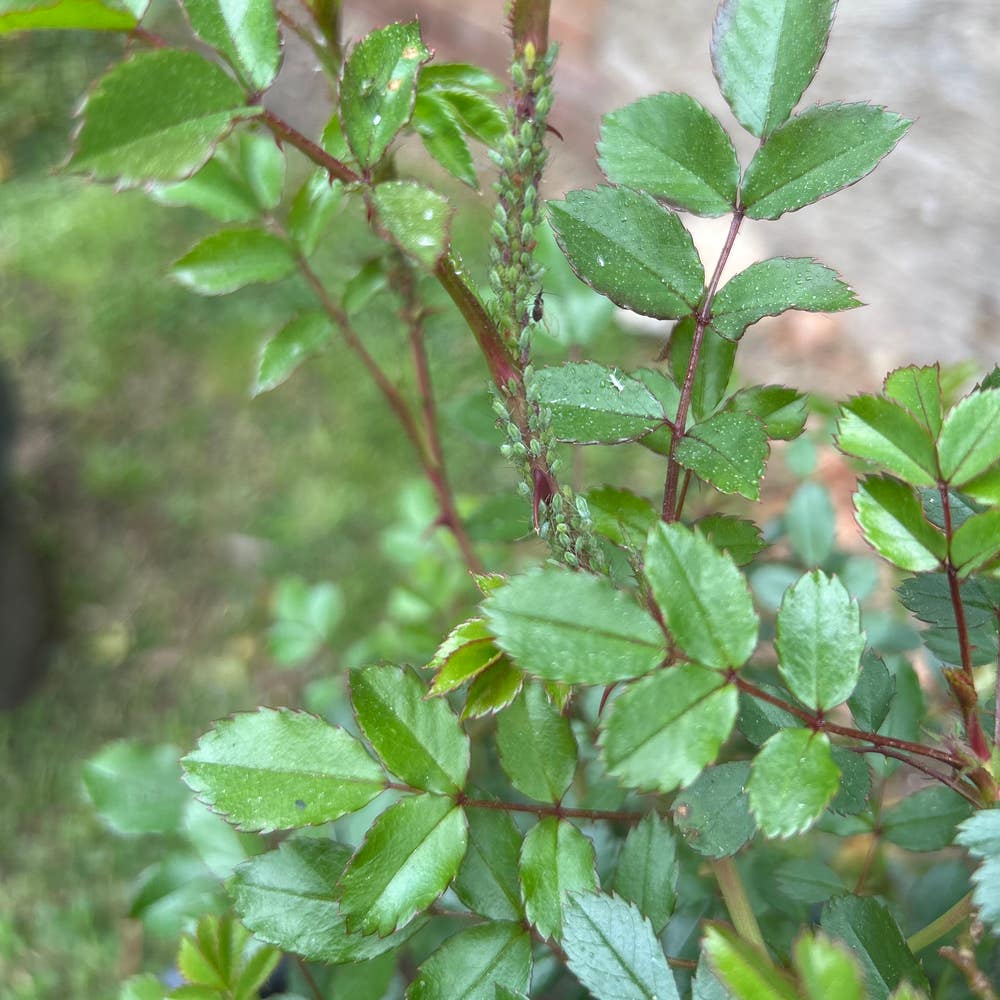
These small, soft-bodied insects leave a sticky residue and cause leaves to curl. They can multiply quickly, so it's essential to act fast.
🧪 Treatment Options
For both spider mites and aphids, neem oil and insecticidal soap are effective treatments. Apply these solutions according to the product instructions, ensuring thorough coverage of the affected areas.
By staying vigilant and addressing pest issues promptly, you can keep your wedding roses healthy and thriving. Next, let’s explore what animals might be tempted to munch on your beautiful blooms.
What Eats Wedding Rose
Common Animals 🦌
Wedding roses can attract a few hungry visitors.
Deer are notorious for munching on these beautiful blooms, leaving behind signs like chewed leaves and stems.
Rabbits also enjoy a nibble, often targeting the lower foliage, which can leave your garden looking a bit ragged.
Deterrent Methods 🚫
To protect your precious roses, consider implementing some effective deterrent methods.
Fencing and physical barriers can create a solid defense against larger animals like deer.
For smaller pests like rabbits, natural repellents such as garlic or hot pepper spray can work wonders, keeping them at bay without harming your plants.
By taking these proactive steps, you can enjoy your wedding roses without the worry of them becoming a snack for local wildlife.
Next, let’s explore the common problems that can affect your wedding roses and how to tackle them effectively.
⚠️ Safety First
This content is for general information and may contain errors, omissions, or outdated details. It is not medical, veterinary advice, or an endorsement of therapeutic claims.
Always consult a qualified healthcare professional before using any plant as food, medicine, or supplement.
Never eat any plant (or feed one to pets) without confirming its identity with at least two trusted sources.
If you suspect poisoning, call Poison Control (800) 222-1222, the Pet Poison Helpline (800) 213-6680, or your local emergency service immediately.
Spotted an error? Please report it here.
Cultivate stunning wedding roses with Greg's tailored care tips 🌹, ensuring they thrive in full sun and well-drained soil while you enjoy their beauty and symbolism of love in your garden!