What to Do About Leaves Falling Over on Your Climbing Rose 🌹
Rosa spp.
By the Greg Editorial Team
Nov 25, 2024•7 min read
This article was created with the help of AI so we can cover more plants for you. May contain errors. See one? Report it here.
- 💧 Overwatering and underwatering cause leaf drooping; adjust watering habits accordingly.
- 🌱 Nutrient deficiencies like nitrogen and potassium lead to yellowing; use balanced fertilizers.
- 🐞 Pests like aphids and spider mites can cause leaf drop; manage with insecticidal soap.
Causes of Leaves Falling Over
💧 Overwatering and Its Effects
Overwatering is a common issue that can lead to significant problems for your climbing rose. Symptoms include yellowing leaves, wilting, and eventual leaf drop, which can be alarming for any gardener.
When the roots are consistently soaked, they can suffer from root rot and poor oxygenation. To prevent this, it's essential to allow the soil to dry out between waterings, ensuring a healthy root environment.
🚰 Underwatering and Its Effects
On the flip side, underwatering can also cause distress in your climbing rose. Look for crispy, dry leaves and drooping foliage as signs that your plant is not getting enough moisture.
Stress from underwatering can lead to leaf drop and stunted growth. A recommended watering schedule is to provide deep watering once a week, adjusting based on the weather conditions to keep your rose thriving.
🌱 Nutrient Deficiencies
Nitrogen Deficiency
A nitrogen deficiency can manifest as yellowing leaves, especially in the older foliage. Nitrogen is crucial for leaf growth and overall plant vigor, making it a key nutrient for your climbing rose.
To address this deficiency, consider using balanced NPK fertilizers that have a higher nitrogen content. This will help restore the plant's health and promote lush growth.
Potassium Deficiency
If you notice leaf edges browning and curling, your climbing rose may be suffering from potassium deficiency. Potassium plays a vital role in water regulation and disease resistance, making it essential for your plant's health.
To combat this issue, use potassium-rich fertilizers during the growing season. This will help ensure your rose has the nutrients it needs to flourish.
🐛 Pest Infestations
Aphids
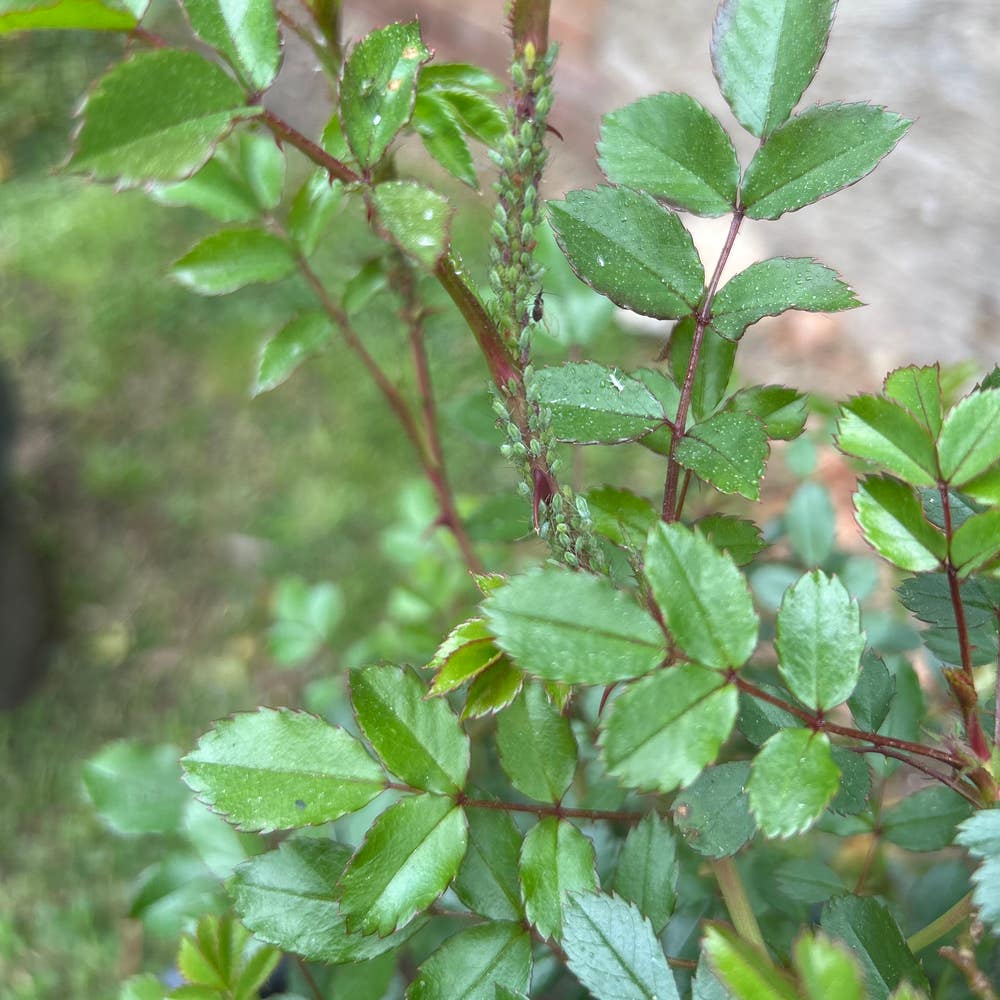
Aphids are small, green or black insects that often appear on new growth. They can cause significant damage by distorting leaves and potentially leading to leaf drop.
Control methods include using insecticidal soap or introducing beneficial insects that prey on aphids. Regular monitoring can help keep these pests at bay.
Spider Mites
Spider mites can be identified by fine webbing on leaves and a stippled appearance. These pests weaken the plant and can lead to leaf drop if not addressed promptly.
To manage spider mites, increase humidity around your climbing rose and consider applying neem oil. This natural remedy can help protect your plant from further damage.
🍄 Fungal Diseases
Powdery Mildew
Powdery mildew appears as white, powdery spots on leaves and thrives in high humidity and poor air circulation. This fungal disease can weaken your climbing rose if left untreated.
Treatment options include fungicides or organic solutions like baking soda sprays. Addressing this issue early can prevent further spread and damage.
Black Spot
Black spot is characterized by dark spots on leaves, which can lead to yellowing and eventual leaf drop. To prevent this disease, ensure good air circulation around your plants and consider resistant varieties.
For treatment, use fungicides and remove infected leaves promptly. This proactive approach will help maintain the health of your climbing rose.
Understanding these causes of leaf drop is crucial for maintaining the health of your climbing rose. By addressing watering practices, nutrient needs, pest infestations, and potential diseases, you can ensure your plant thrives and flourishes. Next, we’ll explore how to diagnose these issues effectively.
Diagnosis and Observation
🌿 Identifying Symptoms of Leaf Drop
When your climbing rose starts showing signs of distress, look for key indicators like yellowing leaves, wilting, and premature leaf drop. Early detection is crucial; catching these symptoms can prevent further damage and loss.
💧 Observing Watering Habits
Take a moment to assess how often and how much water you're giving your rose. Signs of overwatering include soggy soil, while underwatering manifests as dry, crispy leaves.
🐛 Checking for Pests and Diseases
Regular inspections are essential for maintaining plant health. Keep an eye out for visible pests and disease symptoms, as early intervention can significantly reduce the spread and severity of any issues.
🌱 Soil Condition Assessment
Checking your soil's drainage is vital to prevent root problems. Additionally, testing the soil pH is important; for climbing roses, the ideal range is between 6.0 and 6.8 to ensure optimal growth.
By staying vigilant and proactive in these areas, you can help your climbing rose thrive and enjoy its beauty for years to come. Next, let’s explore effective treatment solutions to address any issues you may encounter.
Treatment Solutions
🌊 Adjusting Watering Practices
To tackle overwatering, start by allowing the soil to dry out completely. Improving drainage is crucial; consider adding perlite or sand to the soil mix to enhance aeration.
For underwatering, increase both the frequency and depth of your watering sessions. Aim for deep watering once a week, ensuring the roots receive adequate moisture without becoming waterlogged.
🌱 Fertilizing with the Right Nutrients
Using balanced NPK fertilizers is essential for your climbing roses, with a focus on nitrogen and potassium. These nutrients support healthy leaf growth and overall vigor.
Always follow the package instructions for dosage and timing to avoid over-fertilization, which can harm your plants. A little care goes a long way in keeping your roses thriving.
🐞 Pest Control Methods
Insecticidal Soap
Apply insecticidal soap every 7-10 days until you see a significant reduction in pests. Make sure to cover all affected areas thoroughly for the best results.
This method is effective against a variety of pests, so keep an eye on your plants and reapply as needed.
Neem Oil
Dilute neem oil and spray it during the cooler parts of the day to minimize leaf burn. This versatile solution acts as both a pesticide and fungicide, providing dual protection.
Regular applications can help keep your climbing roses healthy and pest-free.
🍄 Fungal Disease Treatments
Fungicides
Choose between systemic and contact fungicides based on your specific needs. Apply at the first sign of disease or as a preventive measure to keep your plants in top shape.
Timing is key; early intervention can save your roses from severe damage.
Organic Solutions
Homemade remedies, like baking soda mixed with water, can be effective against fungal diseases. Apply these organic solutions every 1-2 weeks, especially during high humidity.
This approach not only helps your plants but also promotes a healthier garden ecosystem.
By implementing these treatment solutions, you can ensure your climbing roses remain vibrant and healthy. Next, let’s explore long-term care strategies to maintain their beauty and resilience.
Long-term Care Strategies
🕵️♂️ Regular Monitoring and Maintenance
Routine checks are essential for the health of your climbing roses. Early detection of issues can save your plants from severe damage.
Keeping a care journal is a great way to track your roses' needs. Documenting watering, fertilization, and pest control helps you identify patterns and adjust your care accordingly.
✂️ Seasonal Pruning and Training
Spring is the perfect time for pruning your climbing roses. This encourages new growth and removes any old wood that could hinder development.
Training methods, such as tying stems to supports, promote optimal growth. Properly trained roses can flourish and create a stunning display.
🌱 Soil Health Management
Regular soil testing ensures that nutrient levels are adequate for your climbing roses. Knowing your soil's composition helps you make informed decisions about amendments.
Adding organic matter improves soil structure, enhancing drainage and nutrient retention. Healthy soil leads to healthier plants.
🌾 Mulching for Moisture Retention
Using organic mulches like wood chips or straw is highly beneficial. These materials help reduce evaporation and suppress weeds, keeping your roses hydrated and healthy.
Mulching also adds nutrients back into the soil as it breaks down. This creates a thriving environment for your climbing roses.
🌼 Companion Planting for Pest Control
Consider planting companions like marigolds and nasturtiums. These plants can deter pests and create a more balanced ecosystem in your garden.
Diversity in your garden enhances plant health and resilience. Companion planting is a simple yet effective strategy to protect your climbing roses.
With these long-term care strategies, your climbing roses will thrive. By staying proactive and attentive, you can enjoy a vibrant and flourishing garden.
⚠️ Safety First
This content is for general information and may contain errors, omissions, or outdated details. It is not medical, veterinary advice, or an endorsement of therapeutic claims.
Always consult a qualified healthcare professional before using any plant as food, medicine, or supplement.
Never eat any plant (or feed one to pets) without confirming its identity with at least two trusted sources.
If you suspect poisoning, call Poison Control (800) 222-1222, the Pet Poison Helpline (800) 213-6680, or your local emergency service immediately.
Spotted an error? Please report it here.
Keep your climbing roses thriving 🌹 by using Greg's tailored watering and nutrient reminders to prevent leaf drop and promote vibrant growth!