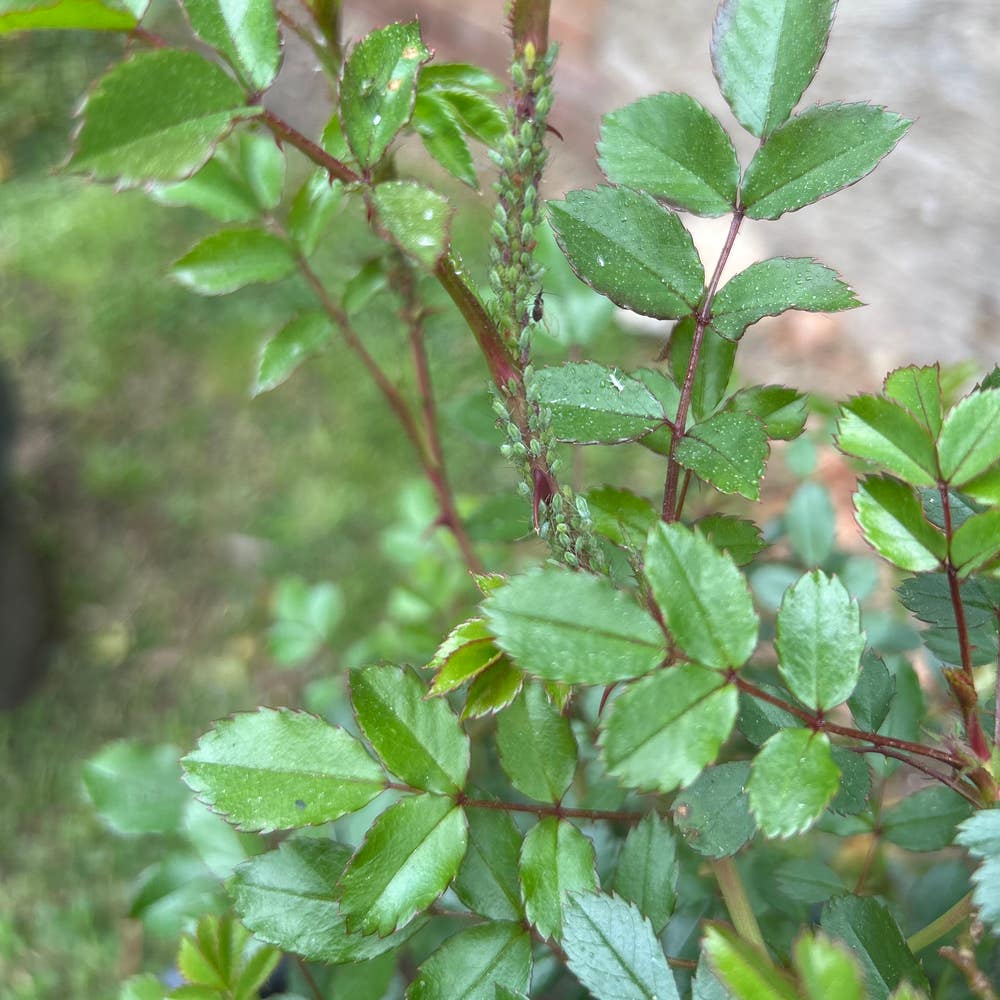
🌹 Why Climbing Rose Is A Perennial Plant
Rosa spp.
By the Greg Editorial Team
Nov 25, 2024•6 min read
This article was created with the help of AI so we can cover more plants for you. May contain errors. See one? Report it here.
- 🌹 Climbing roses thrive for over a decade, making them a long-lasting garden choice.
- 🌱 They regrow each spring, ensuring vibrant blooms without replanting every season.
- 🌞 Proper care and location enhance their beauty and longevity in your garden.
Key Characteristics
Multi-Year Lifecycle and Growth Patterns 🌱
Climbing roses are remarkable for their multi-year lifecycle, which unfolds over several stages. From the moment you plant them, they embark on a journey toward maturity that can take a few years, ultimately thriving for over a decade with the right care.
Their lifespan often exceeds ten years, making them a long-term investment for any garden. This longevity allows gardeners to enjoy their beauty season after season without the need for constant replanting.
Ability to Regrow from the Same Roots 🌿
One of the standout features of climbing roses is their robust root system. This strong foundation not only supports the plant during winter but also enables it to regrow in spring, ensuring a vibrant comeback each year.
In contrast to annual plants that must be replanted every season, climbing roses offer a sustainable solution. Their ability to thrive from the same roots year after year is a testament to their resilience and adaptability in various garden settings.
With these key characteristics, climbing roses are not just plants; they are enduring companions in your garden journey. As we explore their growth and flowering implications next, you'll see how these traits contribute to their overall beauty and appeal.
Growth and Flowering Implications
🌱 Effects of Perennial Nature on Growth and Flowering
Being a perennial plant, the Climbing Rose exhibits consistent growth patterns year after year. This stability allows it to develop into larger, more established specimens, creating a stunning focal point in any garden.
As the plant matures, its robust structure supports more extensive foliage and a greater number of blooms. This growth not only enhances the visual appeal but also contributes to the overall health of the plant.
🌸 Flowering Cycles and Patterns
Climbing Roses typically bloom from late spring to summer, showcasing their vibrant colors and delightful fragrances. However, the timing of these blooms can vary based on climate conditions and the care provided.
In addition to their seasonal blooms, these roses often exhibit repeated flowering throughout the growing season. This means that with proper maintenance, gardeners can enjoy a continuous display of beauty, making the Climbing Rose a rewarding addition to any landscape.
Understanding these growth and flowering implications can help you appreciate the unique qualities of Climbing Roses. As we delve deeper into their dormancy and seasonal changes, you'll discover how these factors further enhance their appeal in your garden.
Dormancy and Seasonal Changes
🌱 Description of Dormancy Periods
The dormancy cycle of Climbing Roses typically begins in the fall. During this time, you'll notice signs like leaf drop and reduced activity, indicating that your plant is preparing for a restful phase.
🍂 Seasonal Changes Throughout the Year
As the seasons change, so does the life of your Climbing Rose.
🌼 Spring: Emergence of New Growth and Blooms
In spring, expect a burst of new growth and vibrant blooms as the plant awakens from dormancy. This is when your garden starts to come alive again.
☀️ Summer: Full Growth and Flowering
Summer brings full growth and a spectacular display of flowers. Your Climbing Rose will thrive, showcasing its beauty and filling your garden with color.
🍁 Fall: Preparation for Dormancy
As fall approaches, the plant begins to prepare for dormancy. You'll see a gradual decline in activity as it conserves energy for the winter ahead.
❄️ Winter: Dormant State and Protection Strategies
In winter, the Climbing Rose enters a dormant state, focusing on survival. During this time, it's essential to protect the roots and ensure the plant is ready to thrive again come spring.
Understanding these seasonal changes helps you appreciate the resilience of Climbing Roses and prepares you for the care they need throughout the year. With this knowledge, you can better anticipate their needs and enjoy their beauty in every season.
Advantages for Gardeners
Benefits of Reduced Replanting 🌹
Climbing Roses offer significant advantages for gardeners, primarily due to their perennial nature. Investing in these plants means you can enjoy their beauty for years without the hassle of replanting each season.
This long-term commitment not only saves you time but also reduces costs associated with buying new plants annually. Imagine the satisfaction of watching your climbing roses flourish year after year, creating a stunning display in your garden.
Importance of Established Root Systems 🌱
Established root systems are a game-changer for plant health. With a robust root network, Climbing Roses can better withstand drought conditions, ensuring they thrive even during dry spells.
Additionally, these roots enhance nutrient uptake, allowing the plant to access essential minerals and water more efficiently. This stability translates to stronger growth and a more resilient garden, making Climbing Roses a smart choice for any gardener looking to create a lasting impact.
Incorporating Climbing Roses into your garden not only beautifies your space but also simplifies your gardening routine. As we explore the lifespan and longevity factors of these remarkable plants, you'll discover how to maximize their benefits even further.
Lifespan and Longevity Factors
Expected Lifespan 🌹
Climbing roses are known for their impressive longevity, often exceeding 10 years when given proper care. This makes them a fantastic investment for any garden enthusiast looking to enjoy beautiful blooms year after year.
Factors Influencing Longevity 🌱
Several factors can influence the lifespan of Climbing Roses, with climate zones playing a significant role.
Temperature and Humidity: These elements affect growth and flowering patterns, impacting how well the plant thrives in different environments.
Soil Conditions: The quality of local soil can greatly influence the health of the roots, which are crucial for nutrient uptake and overall vitality.
Care Practices: Regular maintenance, including pruning and fertilization, can enhance the longevity of these plants, ensuring they remain vibrant and productive throughout their life.
Understanding these factors can help you maximize the lifespan of your climbing roses, allowing you to enjoy their beauty for many years to come. As you plan your garden, consider these elements to create a flourishing environment for your climbing roses.
Next, we will explore practical tips for maximizing the benefits of these stunning perennial plants in your garden design.
Tips for Maximizing Benefits
🌹 Integrating Climbing Rose into Garden Designs
Choosing the right location for your Climbing Rose is crucial. Look for spots that receive ample sunlight and provide sturdy support structures, such as trellises or fences, to help your roses thrive.
🍂 Planning for Seasonal Changes
Consider how seasonal changes will affect your garden layout. Incorporate plants that complement the Climbing Rose's growth and dormancy patterns, ensuring a vibrant garden year-round.
🛠️ Recommendations for Long-Term Cultivation
Regular maintenance is key to enhancing the health and longevity of your Climbing Rose. This includes pruning, watering, and fertilizing to keep your plants robust and blooming beautifully.
🌍 Selecting Climate-Appropriate Varieties
Choose varieties that are well-suited to your local climate. This simple step can significantly impact growth, flowering, and overall plant health, ensuring your garden flourishes for years to come.
By following these tips, you can maximize the benefits of your Climbing Rose, creating a stunning and sustainable garden that brings joy season after season. Next, let’s explore the expected lifespan and longevity factors that contribute to the enduring beauty of these perennial plants.
⚠️ Safety First
This content is for general information and may contain errors, omissions, or outdated details. It is not medical, veterinary advice, or an endorsement of therapeutic claims.
Always consult a qualified healthcare professional before using any plant as food, medicine, or supplement.
Never eat any plant (or feed one to pets) without confirming its identity with at least two trusted sources.
If you suspect poisoning, call Poison Control (800) 222-1222, the Pet Poison Helpline (800) 213-6680, or your local emergency service immediately.
Spotted an error? Please report it here.
Transform your garden into a blooming paradise 🌹 with climbing roses, and let Greg guide you with tailored care reminders to keep them thriving for years to come!