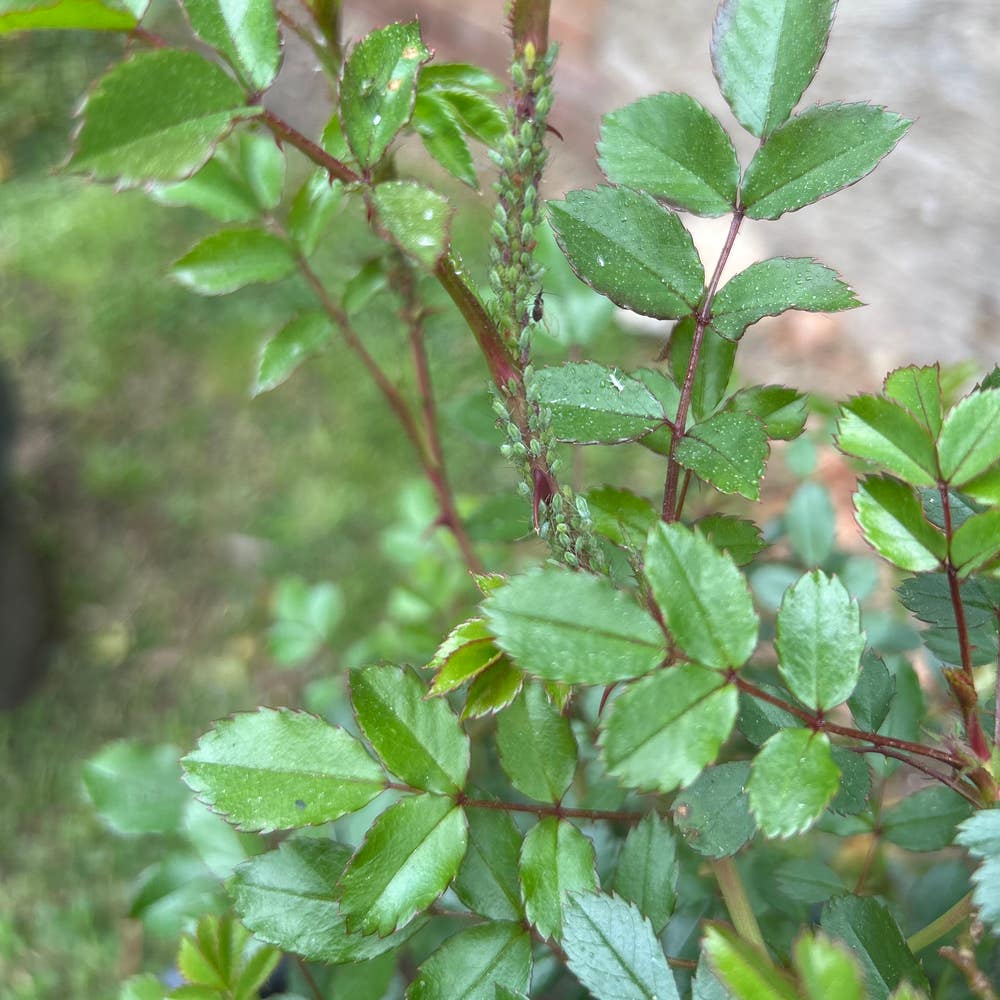
🌹 Overview of Cottage Rose
Rosa spp.
By the Greg Editorial Team
Jan 28, 2025•12 min read
This article was created with the help of AI so we can cover more plants for you. May contain errors. See one? Report it here.
- 🌞 Cottage roses need 6-8 hours of sunlight daily for optimal growth.
- 🌱 Well-drained, fertile loam with pH 6.0-6.8 is ideal for cottage roses.
- 🌹 Prune in late winter to maintain shape and remove dead wood.
How to Grow
Choosing the Right Location 🌞
Cottage roses thrive in full sun, requiring 6-8 hours of direct sunlight daily. Additionally, consider wind protection to safeguard those delicate blooms from damage.
Soil Preparation and Amendments 🌱
The ideal soil for cottage roses is well-drained, fertile loam with a pH between 6.0 and 6.8. Enhance soil fertility by incorporating compost or well-rotted manure.
Planting Techniques 🌼
When planting, ensure the graft union is at soil level for optimal growth. Space your roses 18-24 inches apart to promote air circulation and prevent disease.
Watering Requirements 💧
After planting, give your roses a deep watering to help establish their roots. Moving forward, water them once a week, adjusting based on rainfall.
Fertilizing Strategies 🌿
Fertilize your cottage roses in early spring and mid-summer using a balanced fertilizer. An NPK ratio of 10-10-10 is recommended for balanced nutrition.
Pruning Methods ✂️
Prune your roses in late winter or early spring, just before new growth begins. Focus on removing dead or diseased wood and shaping the plant for aesthetic appeal.
Ongoing Care 🪴
For container-grown roses, ensure pots have drainage holes and monitor moisture levels closely. In outdoor gardens, apply mulch to retain moisture and suppress weeds.
With the right care and attention, your cottage roses will flourish, bringing beauty and fragrance to your garden. Next, let’s explore how to propagate these lovely plants for even more blooms!
Propagation
🌱 Methods of Propagation
Cottage roses can be propagated through three effective methods: cuttings, division, and layering. Each method has its own unique process, allowing you to choose the one that best fits your gardening style.
✂️ Cuttings
Taking cuttings is a popular method, especially in late spring. Select healthy 6-8 inch stems, remove the lower leaves, and dip the cut end in rooting hormone.
🔪 Division
Division is best done in early spring. Simply dig up the established plant, separate it into sections ensuring each has roots, and replant them immediately.
🌿 Layering
Layering involves bending a low branch to the ground and covering it with soil. Keep the area moist until roots form, which typically takes about 6-8 weeks.
📋 Step-by-Step Instructions
Here’s a quick guide to each propagation method:
Cuttings:
- Choose healthy stems, remove lower leaves, and dip in rooting hormone.
- Place in a well-draining medium and keep moist until roots develop (2-4 weeks).
Division:
- Dig up the plant, separate into sections with roots, and replant immediately.
Layering:
- Bend a branch to the ground, cover with soil, and keep moist until roots form (6-8 weeks).
These propagation techniques not only expand your rose collection but also deepen your connection with these beautiful plants. Each method is straightforward, making it easy for both novice and experienced gardeners to enjoy the process.
Next, let’s explore the lifecycle of the cottage rose, understanding how it grows and flourishes over time.
Lifecycle
Life Cycle Stages 🌱
The lifecycle of the Cottage Rose is a fascinating journey. It begins with germination, where seeds sprout in just 7-14 days under optimal conditions.
Following germination, the seedling stage kicks in, with true leaves developing within 4-6 weeks. This is a crucial time as the plant establishes itself.
Next comes the vegetative growth phase, which lasts several months. During this period, the plant experiences rapid growth, setting the stage for the beautiful blooms to come.
Flowering typically begins in late spring and can last until fall, providing a vibrant display. After flowering, the plant enters the seed production stage, with seeds maturing in late summer.
Growth Rate 📈
The journey to full growth usually takes about 2-3 years. Under ideal conditions, the Cottage Rose can grow at a moderate rate of approximately 12-24 inches per year.
This growth rate can vary based on factors like soil quality, sunlight, and water availability. Understanding these stages and growth patterns can help you nurture your Cottage Rose effectively.
As we transition to the next section, let’s explore how to maximize the benefits of this beautiful plant in your garden.
Size
Mature Dimensions 🌹
Cottage roses typically reach a mature height of 3 to 5 feet. Their spread can range from 2 to 4 feet wide, making them a lovely addition to any garden.
Growth Rate and Variability 📈
The growth rate of cottage roses is influenced by several factors, including soil quality, sunlight exposure, and water availability. Depending on the cultivar and growing conditions, the size can vary significantly, so it's essential to consider these elements when planning your garden.
Time to Full Size ⏳
Under optimal conditions, cottage roses can take about 2 to 3 years to reach their full size. However, in less favorable conditions, they may take longer or even experience stunted growth, so patience is key when nurturing these beautiful plants.
As you cultivate your cottage roses, keep in mind their size and growth patterns to ensure they thrive in your garden. Next, let's explore the fascinating root systems that support these stunning blooms.
Roots
Root System Characteristics 🌱
Cottage roses boast a fibrous root system that provides essential stability and nutrient uptake. Typically, these roots extend 12 to 18 inches deep, allowing the plant to anchor itself firmly in the soil.
Common Issues ⚠️
One of the most common problems is root rot, often caused by overwatering. To prevent this, ensure your soil is well-drained and not overly saturated.
Healthy vs. Unhealthy Roots 🥴
Healthy roots are firm, white, and spread out, indicating a robust plant. In contrast, unhealthy roots appear dark, mushy, or may even emit a foul smell, signaling that something is wrong.
Rootbound Conditions 🔄
When a plant becomes rootbound, its roots start to circle the pot, which can stunt growth. Signs of this condition include roots growing out of drainage holes or visibly circling the pot, and the remedy is simple: repot into a larger container.
Understanding the root system of your cottage rose is crucial for its overall health. By monitoring root conditions and addressing issues promptly, you can ensure your roses thrive beautifully.
Next, let's explore the numerous benefits that cottage roses bring to your garden!
Benefits
Cottage roses are more than just pretty flowers; they offer a multitude of benefits that can enhance any garden.
🌹 Top 5 Benefits
Aesthetic Appeal: With their vibrant blooms, cottage roses can transform any garden into a stunning visual masterpiece. Their variety of colors and shapes adds depth and beauty to landscapes.
Fragrance: The delightful scent of cottage roses not only pleases the senses but also attracts pollinators like bees and butterflies. This natural allure enhances the overall atmosphere of outdoor spaces.
Biodiversity: By planting cottage roses, you contribute to local ecosystems. They attract beneficial insects, which help maintain a balanced garden environment.
Cultural Significance: Throughout history, roses have symbolized love and beauty in various cultures. Incorporating them into your garden can evoke a sense of tradition and sentimentality.
Medicinal Properties: Beyond their beauty, cottage roses have been traditionally used for their anti-inflammatory and antioxidant benefits. Their petals and hips can be utilized in herbal remedies, making them a valuable addition to your garden.
Cottage roses not only beautify your space but also enrich your life in various ways. As we explore further, you'll discover how to cultivate these remarkable plants and enjoy their many advantages.
Companion Plants
🌱 Companion Planting Benefits
Companion planting is a fantastic strategy for enhancing the growth of your Cottage Rose. It not only boosts plant health but also improves pest management and adds diversity to your garden.
🌼 Best Companions
- Lavender: This fragrant herb is a must-have. It repels pests while attracting beneficial pollinators, creating a win-win for your roses.
- Marigolds: These vibrant flowers deter harmful insects and add a splash of color to your garden. Their presence can significantly enhance the overall visual appeal.
🚫 Plants to Avoid
When planning your garden, steer clear of the cabbage family. These plants can attract pests that may harm your roses, undermining your hard work.
By carefully selecting companion plants, you can create a thriving ecosystem that supports your Cottage Rose and enhances your garden's beauty. Next, let's explore the fascinating world of Cottage Rose propagation techniques!
Toxicity to Humans
🛡️ Safety Overview
Cottage roses are generally safe for humans. They are not listed as toxic by major poison control centers, making them a popular choice for gardens and landscapes.
🌼 Potential Minor Issues
While these beautiful blooms are mostly harmless, consuming them in large quantities can lead to mild skin irritation or digestive discomfort. It's always best to enjoy their beauty rather than nibble on them.
⚠️ Cautionary Advice
Even with their non-toxic status, it's wise to exercise caution with any plant. If you experience unusual symptoms after contact or consumption, seeking medical advice is a prudent step.
As you explore the world of cottage roses, remember that knowledge is your best ally in enjoying these lovely plants safely. Next, let’s delve into the edible aspects of cottage roses and how you can incorporate them into your culinary adventures!
Edible
🌹 Edible Parts and Uses
Cottage roses offer delightful edible parts, primarily their petals and hips. These can be transformed into fragrant teas, flavorful jams, and even desserts, adding a unique twist to your culinary creations.
🌱 Harvesting Techniques
For the best flavor, harvest rose petals in the morning when they are fully open. Be sure to rinse them gently and remove the bitter white base to enhance their taste.
🍽️ Nutritional Value
Rose petals and hips are not just tasty; they are also packed with vitamins A and C. Incorporating them into your diet may aid digestion and boost your immune system, making them a delicious and nutritious addition to your meals.
This exploration of the edible aspects of cottage roses opens up a world of culinary possibilities. Next, let’s dive into the fascinating topic of how these beautiful plants can be propagated for even more blooms!
Toxicity to Dogs
Safety Overview 🐶
Cottage roses are generally safe for dogs. They are not listed as toxic by major pet poison control centers, which is great news for dog owners who love to garden.
Potential Minor Issues 🤢
While these roses are safe, consuming large quantities can lead to mild gastrointestinal upset. It's always best to keep an eye on your furry friends around any plants.
Tips for Homes with Dogs 🏡
To ensure safety, place cottage roses out of reach of your dogs. Additionally, monitor their behavior around new plants to prevent any unwanted nibbling.
With these precautions, you can enjoy the beauty of cottage roses without worrying about your dog's health.
Toxicity to Cats
Safety Overview 🐱
Cottage roses are generally safe for cats. Major pet poison control centers do not list them as toxic, which is great news for cat owners who love these beautiful blooms.
Potential Minor Issues ⚠️
While not harmful, consuming large quantities of rose petals may lead to mild gastrointestinal upset in cats. It's always wise to monitor your furry friends if they show interest in nibbling on your plants.
Tips for Homes with Cats 🏡
To keep your cats safe, position cottage roses in areas that are out of reach. Observing your cat's interactions with new plants can help ensure they don't indulge too much.
With these precautions, you can enjoy the beauty of cottage roses without worrying about your feline companions!
Problems
🌱 Common Issues
Cottage roses can face a few common problems that every gardener should be aware of.
- Incorrect watering: Signs of underwatering include wilting, while yellowing leaves indicate overwatering.
- Incorrect light conditions: Too much sun can cause leaf scorch, whereas insufficient light leads to leggy growth.
- Diseases: Watch for powdery mildew, rust, and black rot, which can be identified by white powdery spots or dark leaf spots.
🔍 Identification and Solutions
Understanding how to identify and address these issues is crucial for maintaining healthy cottage roses.
- Overwatering: If you notice yellowing leaves, it’s time to adjust your watering frequency.
- Underwatering: Wilting leaves signal that your roses need more water; increase your watering schedule.
- Poor light: Leggy growth means your roses are craving sunlight; relocate them to a sunnier spot.
- Fungal diseases: Spots on leaves may indicate fungal infections; apply fungicide and enhance air circulation to combat this.
- Root problems: Stunted growth can be a sign of root rot; check the roots and repot if necessary.
By keeping an eye on these common issues and their solutions, you can ensure your cottage roses thrive beautifully. Next, let’s explore the potential pest problems that can affect these lovely blooms.
Bugs
Potential Pest Issues 🐞
Cottage roses are generally pest-resistant, making them a resilient choice for your garden. However, they can still fall victim to a few pesky intruders.
Identification and Treatment 🔍
Spider Mites
Look for fine webbing on the leaves; this is a telltale sign of spider mites. Treat them promptly with insecticidal soap to keep your plants healthy.
Aphids
These small green insects often congregate on new growth. Control aphid populations using neem oil, which is effective and safe for your plants.
Mealybugs
Identifiable by their cotton-like masses on stems, mealybugs can be a nuisance. Remove them by hand or use alcohol swabs to eliminate these pests without harming your roses.
By staying vigilant and addressing these common pests, you can ensure your cottage roses thrive beautifully. Next, let’s explore what animals might be tempted to munch on your lovely blooms.
What Eats Cottage Rose
Common Animals 🦌
Cottage roses can attract a variety of hungry critters. Deer are notorious for munching on these plants, leaving behind chewed leaves and broken branches.
Rabbits also enjoy a nibble, often resulting in clipped stems and missing lower leaves. Keeping an eye out for these signs can help you protect your roses.
Signs of Damage 🕵️♂️
Identifying damage early is crucial for maintaining healthy plants. Look for tracks and droppings around your garden, which can indicate the presence of these animals.
Visible damage to foliage, such as missing leaves or chewed edges, is another clear sign that your cottage roses are under attack.
Deterrent Methods 🚫
Preventing these animals from feasting on your roses can be achieved through various methods. Chemical repellents specifically designed for deer and rabbits can be effective in keeping them at bay.
For a more natural approach, consider planting deterrent plants like garlic or using physical barriers such as fencing. These strategies can help safeguard your beautiful blooms from unwanted visitors.
With the right precautions, you can enjoy your cottage roses without the worry of them becoming a snack for local wildlife.
⚠️ Safety First
This content is for general information and may contain errors, omissions, or outdated details. It is not medical, veterinary advice, or an endorsement of therapeutic claims.
Always consult a qualified healthcare professional before using any plant as food, medicine, or supplement.
Never eat any plant (or feed one to pets) without confirming its identity with at least two trusted sources.
If you suspect poisoning, call Poison Control (800) 222-1222, the Pet Poison Helpline (800) 213-6680, or your local emergency service immediately.
Spotted an error? Please report it here.
Transform your garden into a blooming oasis 🌹 with Greg's personalized watering reminders and expert care tips to help your cottage roses thrive beautifully!