Best Tips for Propagating Climbing Rose 🌹
Rosa spp.
By the Greg Editorial Team
Nov 25, 2024•6 min read
This article was created with the help of AI so we can cover more plants for you. May contain errors. See one? Report it here.
- 🌱 Best time for softwood cuttings is late spring to early summer for optimal growth.
- ✂️ Use clean shears and apply rooting hormone to enhance root development effectively.
- 🌿 Layering in early spring boosts rooting success; patience is key for results.
Softwood Cuttings
Step-by-step guide for taking softwood cuttings 🌱
Taking softwood cuttings is a straightforward process that can yield beautiful climbing roses.
- Timing: The best time to take cuttings is in late spring to early summer when the new growth is soft and pliable.
- Selecting stems: Look for healthy, non-flowering stems that are about 4-6 inches long. This ensures you’re working with vigorous growth.
- Cutting technique: Use clean, sharp pruning shears to make a diagonal cut just below a leaf node. This technique helps maximize the surface area for rooting.
- Leaf preparation: Remove the lower leaves, leaving just 1-2 leaves at the top. This reduces moisture loss while still allowing the cutting to photosynthesize.
- Applying rooting hormone: Dip the cut end into rooting hormone to enhance your chances of success. This step can significantly improve root development.
Ideal conditions for rooting softwood cuttings 🌿
Creating the right environment is crucial for your cuttings to thrive.
- Soil type: Use a well-draining potting mix or a combination of perlite and peat moss. This promotes healthy root growth without waterlogging.
- Humidity: Maintain high humidity around the cuttings by using a plastic bag or a humidity dome. This helps prevent the cuttings from drying out.
- Light: Provide indirect sunlight to avoid scorching the delicate cuttings while still promoting growth. Too much direct light can be detrimental.
By following these steps and conditions, you’ll set your climbing rose cuttings up for success.
Next, let’s explore the hardwood cutting method, which is another effective way to propagate these beautiful plants.
Hardwood Cuttings
🌱 Step-by-step guide for taking hardwood cuttings
Taking hardwood cuttings is a rewarding way to propagate climbing roses. The best time to do this is in late fall or winter when the plant is dormant.
- Timing: Aim for late fall or winter.
- Selecting stems: Look for healthy, mature stems that are about 6-8 inches long.
- Cutting technique: Use clean, sharp shears to make a 45-degree angle cut above a leaf node.
- Leaf preparation: Remove all leaves to minimize moisture loss.
🌿 Best practices for preparing hardwood cuttings
To ensure your hardwood cuttings thrive, follow these best practices.
- Soaking: Soak the cuttings in water for a few hours before planting. This helps enhance moisture retention.
- Planting depth: Insert the cuttings into the soil about 2-3 inches deep for stability.
- Mulching: Apply a layer of mulch around the cuttings. This retains moisture and helps regulate temperature.
By following these steps, you’ll set the stage for successful propagation. Next, let’s explore the layering technique, another effective method for growing climbing roses.
Layering Technique
🪴 Explanation of the layering method
Layering is a fascinating propagation technique that allows you to grow new climbing roses while keeping them connected to the parent plant. By bending a low-growing stem to the ground and covering part of it with soil, you encourage the buried section to root, all while the tip remains exposed.
🌱 Tips for successful layering
Timing is crucial for successful layering. Aim to perform this method in early spring when the plant is actively growing, as this increases the chances of successful rooting.
Ensure that the buried section of the stem is in contact with moist soil. This contact is vital for root development, so take care to pack the soil around it gently.
Patience is key in this process. Roots may take several weeks to develop, so monitor moisture levels regularly to keep the environment conducive for growth.
With these tips in mind, you can enjoy the rewarding experience of watching your climbing roses thrive through layering. This method not only expands your garden but also deepens your connection to the plants you nurture.
As you explore these propagation techniques, you might find yourself intrigued by the next method: grafting. Let's dive into the art of grafting and discover how it can enhance your climbing rose collection.
Grafting Techniques
Grafting is a fascinating method of propagating climbing roses, allowing you to combine the best traits of two plants. This technique can be a bit challenging, but with the right steps, you can achieve great results.
Step-by-step grafting process 🌱
Selecting rootstock: Start by choosing a healthy rootstock that is compatible with your desired scion. This compatibility is crucial for successful grafting.
Preparing the scion: Cut a healthy stem from the variety you want to propagate, ensuring it has at least 2-3 buds. This will provide the new growth you’re aiming for.
Making the graft: Create a slanting cut on both the scion and rootstock to expose the cambium layer. This is the layer where the two plants will join and grow together.
Joining: Align the cuts of the scion and rootstock carefully. Secure them with grafting tape or parafilm to hold them in place while they heal.
Aftercare: Keep the grafted area moist and protected from harsh conditions. Monitor it closely until you see new growth, which indicates that the graft has taken.
Tips for Successful Grafting 🌟
- Timing: The best time to graft is during the plant's active growth period, typically in late winter or early spring.
- Clean tools: Always use clean, sharp tools to prevent infection and ensure clean cuts.
- Patience is key: Grafting can take time, so be patient and give your plants the care they need.
Grafting not only allows you to propagate climbing roses but also opens up a world of possibilities for creating unique hybrids. With practice, you’ll find this technique rewarding and effective.
As you explore the world of rose propagation, consider the layering technique next. It’s another fascinating method that can yield beautiful results with a bit of patience and care.
Common Challenges in Propagation
🐛 Pests and Diseases
Common pests affecting propagated roses
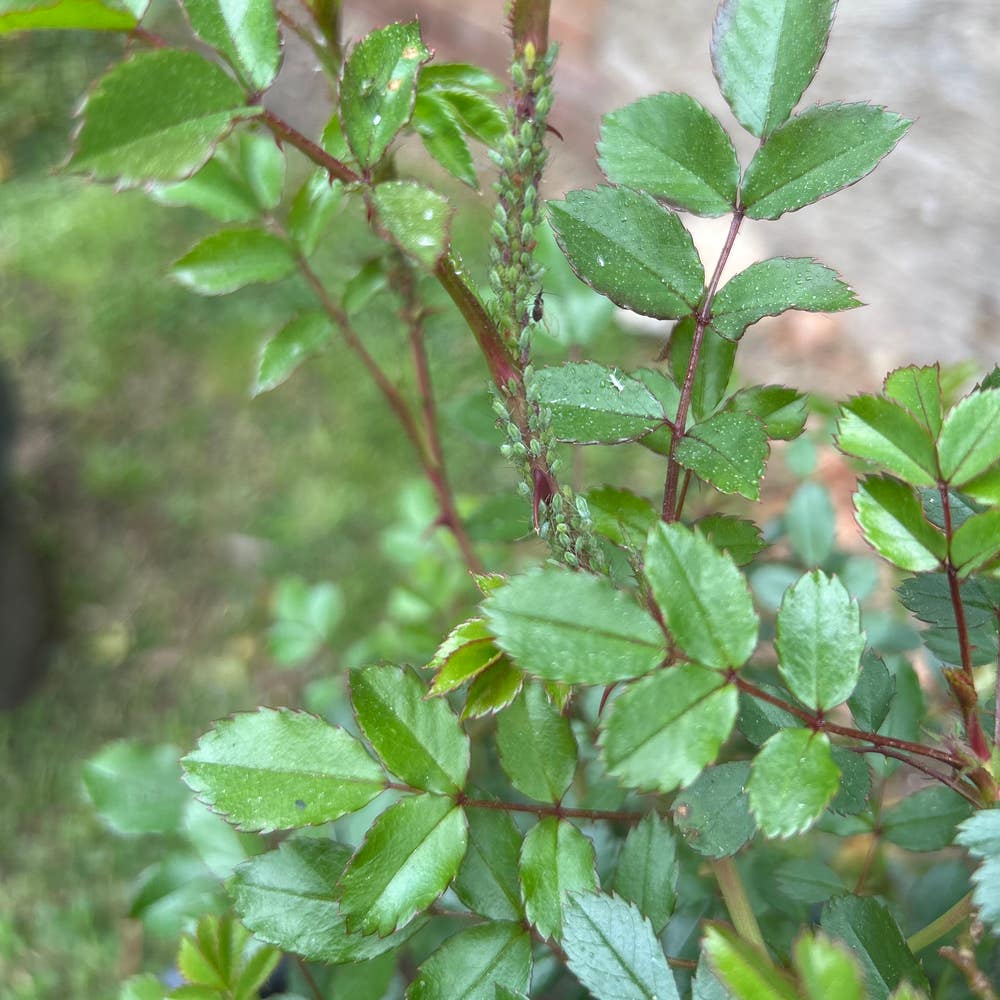
When propagating climbing roses, be vigilant about pests like aphids, spider mites, and whiteflies. These tiny invaders can wreak havoc on your young plants, so keep an eye out for any signs of infestation.
Preventative measures and treatments
To protect your cuttings, consider using insecticidal soap or neem oil as a preventative measure. Additionally, introducing beneficial insects like ladybugs can help keep pest populations in check naturally.
🌱 Rooting Issues
Signs of unsuccessful rooting
If your cuttings show signs of wilting, yellowing leaves, or lack of new growth, it may indicate rooting issues. Gently tugging on the cutting can help you check for root development.
Troubleshooting tips for common problems
To troubleshoot, ensure that moisture levels are just right—avoid overwatering, as it can lead to rot. Adjusting humidity and light conditions can also make a significant difference in your propagation success.
By staying aware of these common challenges and implementing effective strategies, you can enhance your chances of successfully propagating climbing roses. Next, let’s explore the layering technique, a fascinating method that can yield beautiful results.
⚠️ Safety First
This content is for general information and may contain errors, omissions, or outdated details. It is not medical, veterinary advice, or an endorsement of therapeutic claims.
Always consult a qualified healthcare professional before using any plant as food, medicine, or supplement.
Never eat any plant (or feed one to pets) without confirming its identity with at least two trusted sources.
If you suspect poisoning, call Poison Control (800) 222-1222, the Pet Poison Helpline (800) 213-6680, or your local emergency service immediately.
Spotted an error? Please report it here.
Propagating climbing roses can be rewarding 🌹 with Greg's personalized tips and reminders to ensure your cuttings thrive every step of the way!