🌹 Ultimate Guide to Fixing Black Spots on Climbing Rose
Rosa spp.
By the Greg Editorial Team
Nov 25, 2024•5 min read
This article was created with the help of AI so we can cover more plants for you. May contain errors. See one? Report it here.
- 🌹 Identify black spots by recognizing dark lesions with yellow halos on leaves.
- 🛡️ Early diagnosis prevents damage like leaf drop and reduced flowering in climbing roses.
- 🌱 Use organic or chemical fungicides for effective treatment of black spots.
Diagnosing Black Spots
🧐 Differentiating Between Leaf Issues
When diagnosing black spots on climbing roses, it's crucial to distinguish them from other common leaf problems. For instance, powdery mildew appears as a white, powdery coating, while rust manifests as orange or yellow spots on the underside of leaves.
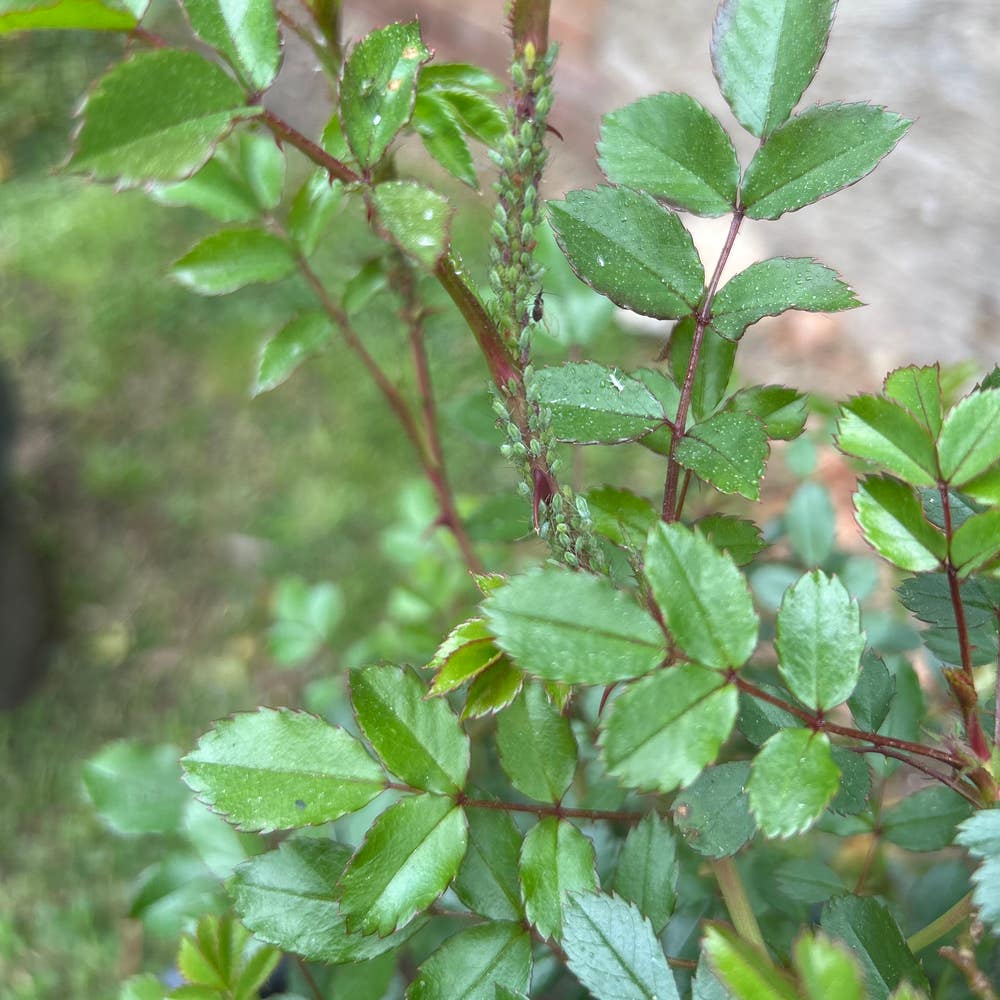
Visual characteristics are key to identifying black spots. They typically present as dark, round lesions that may have a yellow halo, contrasting sharply with the healthy green of the leaf.
⏰ Importance of Early Diagnosis
Timely diagnosis of black spots can significantly benefit your plant's health. Early intervention can prevent the spread of disease, ensuring your climbing rose remains vibrant and thriving.
Neglecting early symptoms can lead to severe consequences, including widespread leaf drop and diminished flowering. This not only affects the plant's aesthetics but can also weaken its overall vitality.
🔍 Tools for Diagnosis
To accurately diagnose black spots, consider using a magnifying glass. This tool allows for a closer inspection of leaves, helping to identify the specific nature of the issue.
Taking photos can also be beneficial. Documenting the condition of your plant provides a reference for future comparisons and aids in tracking the progression of any problems.
Treating Black Spots
🌱 Step-by-Step Treatment Options
Chemical Fungicides
When dealing with black spots on climbing roses, chemical fungicides can be effective. Look for active ingredients like chlorothalonil or myclobutanil, which are known for their efficacy against fungal diseases.
Follow the label instructions carefully regarding application frequency and timing. This ensures that you provide the best chance for your roses to recover without causing harm.
Organic Fungicides
For those preferring a more natural approach, organic fungicides are a great option. Neem oil, sulfur, and baking soda solutions are popular choices that can help combat black spots effectively.
To prepare these treatments, mix according to the instructions on the product label. Apply them in the early morning or late afternoon for the best results.
Home Remedies
If you're looking for simple, cost-effective solutions, consider home remedies. Milk spray and vinegar solutions are commonly used to treat black spots.
These remedies can be effective, but their success may vary. Apply them consistently and monitor your plants for improvement.
🧪 Application Methods for Treatments
When applying fungicides, coverage is key. Ensure that you thoroughly coat both the tops and undersides of the leaves for maximum effectiveness.
Always prioritize safety when handling chemicals. Wear gloves and a mask, and follow all safety precautions outlined on the product label.
⏰ Timing for Treatment Application
Timing your treatments can significantly impact their effectiveness. The optimal times for application are early morning or late afternoon when temperatures are cooler.
The frequency of applications will depend on the severity of the infection. Regular monitoring will help you determine how often to treat your climbing roses.
With the right treatment plan in place, your climbing roses can thrive again. Next, let’s explore how to prevent black spots from becoming a recurring issue.
Preventing Black Spots
🌹 Best Practices for Climbing Rose Care
Selecting disease-resistant varieties is your first line of defense against black spots. These resilient plants can withstand common diseases, making your gardening experience more enjoyable.
Regular monitoring is crucial for early detection of any issues. Check your climbing roses frequently to catch any signs of disease before they escalate.
💧 Watering Techniques to Prevent Fungal Growth
Proper watering techniques can significantly reduce the risk of fungal growth. Avoid overhead watering, as wet leaves create an ideal environment for diseases like black spots.
Timing is also essential; water your roses early in the morning. This allows the leaves to dry out during the day, minimizing moisture that can lead to fungal infections.
🍂 Seasonal Care Tips to Minimize Risk
Adjust your care practices according to the seasons. In spring and summer, focus on promoting airflow and reducing humidity around your plants.
Don't underestimate the importance of fall cleanup. Removing fallen leaves and debris helps eliminate potential disease carriers, setting your climbing roses up for a healthier growing season ahead.
By implementing these preventive measures, you can keep your climbing roses thriving and beautiful. Next, let’s explore ongoing maintenance strategies to ensure your plants remain healthy year-round.
Ongoing Maintenance
Regular Inspection of Leaves 🌿
To keep your climbing roses healthy, inspect their leaves weekly during the growing season. Look for black spots, discoloration, or any unusual signs that could indicate a problem.
Regular checks help catch issues early, making treatment much easier. Early detection can save your plants from more severe damage down the line.
Pruning Techniques to Promote Health ✂️
Pruning is essential for maintaining the health of your climbing roses. Aim to prune in late winter or early spring before new growth begins.
Use sharp, clean tools to remove dead or diseased wood. This practice not only improves airflow but also encourages new growth, reducing the risk of diseases like black spots.
Fertilization Practices to Strengthen Plant Immunity 🌱
Fertilizing your climbing roses properly can bolster their immunity against diseases. Consider using balanced fertilizers or organic options like compost to provide essential nutrients.
Timing is crucial; fertilize in early spring to kickstart growth and again in mid-summer to support ongoing health. Healthy plants are more resilient and better equipped to fend off black spots and other issues.
By incorporating these ongoing maintenance practices, you can ensure your climbing roses thrive and remain vibrant throughout the growing season. Next, let’s explore effective prevention strategies to keep these beautiful plants in top shape.
⚠️ Safety First
This content is for general information and may contain errors, omissions, or outdated details. It is not medical, veterinary advice, or an endorsement of therapeutic claims.
Always consult a qualified healthcare professional before using any plant as food, medicine, or supplement.
Never eat any plant (or feed one to pets) without confirming its identity with at least two trusted sources.
If you suspect poisoning, call Poison Control (800) 222-1222, the Pet Poison Helpline (800) 213-6680, or your local emergency service immediately.
Spotted an error? Please report it here.
Transform your climbing roses into a vibrant display 🌹 by using Greg's tailored care reminders and expert tips to tackle black spots and keep them thriving all season!