How to Cure Curling Leaves on Your Climbing Rose 🌹
Rosa spp.
By the Greg Editorial Team
Nov 25, 2024•7 min read
This article was created with the help of AI so we can cover more plants for you. May contain errors. See one? Report it here.
- 🌞💧 Curling leaves result from heat stress, drought, or low humidity. Adjust care accordingly.
- 🐛 Pests like aphids and spider mites cause curling. Use insecticidal soap for control.
- 🌱 Nutrient deficiencies lead to curling leaves. Regular fertilization ensures healthy growth.
Causes of Curling Leaves
🌪️ Environmental Stress Factors
Heat Stress
Heat stress can be a significant culprit behind curling leaves on your climbing rose. Symptoms include leaves curling upwards and a wilting appearance, signaling that your plant is struggling.
To combat heat stress, provide shade during peak sun hours and ensure your rose receives adequate watering. This simple adjustment can make a world of difference.
Drought Conditions
Drought conditions are another common cause of leaf curling. Look for dry, crispy edges on leaves, which indicate that your rose is not getting enough moisture.
Establish a regular watering schedule and consider using mulch to retain soil moisture. These practices will help keep your climbing rose hydrated and healthy.
Humidity Levels
Low humidity can lead to curling and brittle leaves. If you notice your rose's leaves curling, it might be due to insufficient humidity in the air.
To increase humidity, try misting the leaves or using a pebble tray filled with water. These methods can create a more favorable environment for your climbing rose.
🐛 Pest Infestations
Aphids
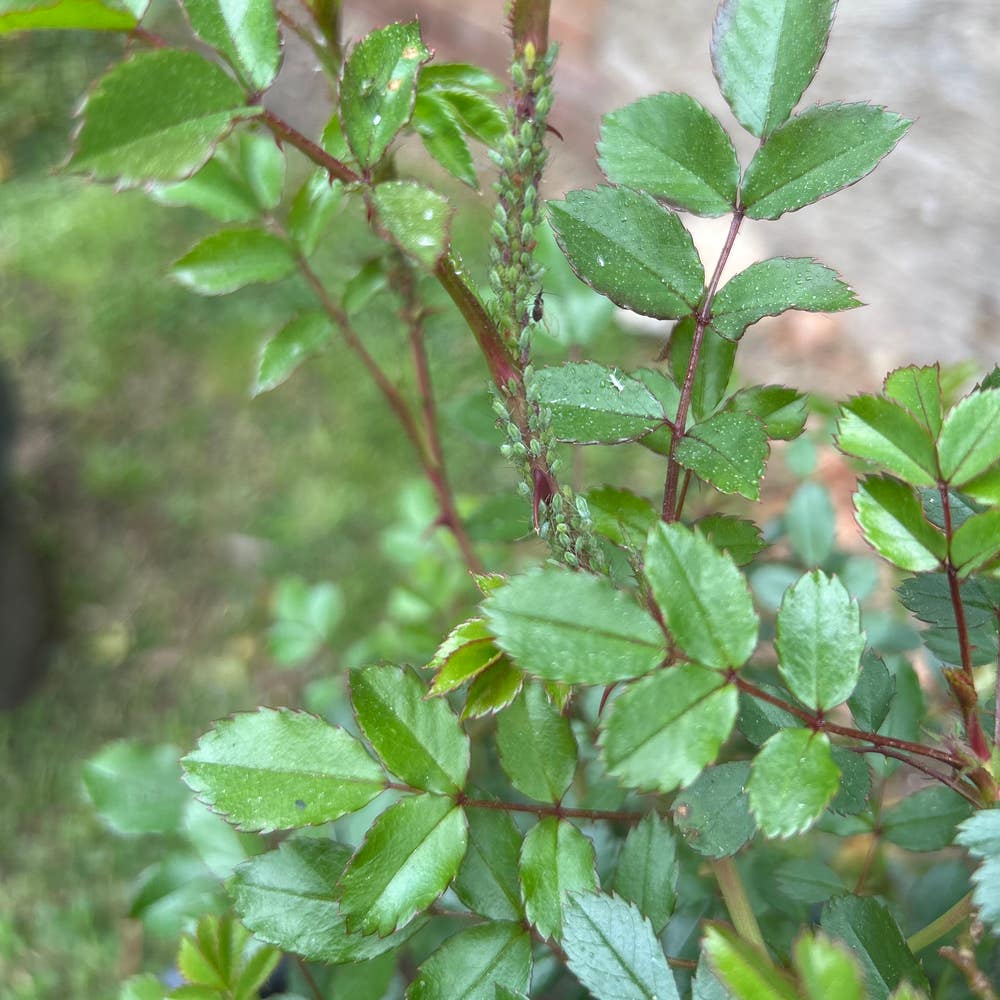
Aphids are small, green or black insects that often hide on the undersides of leaves. Their presence can lead to distorted leaves and a sticky residue known as honeydew.
To control aphids, consider using insecticidal soap or neem oil. These treatments can effectively manage the infestation and protect your climbing rose.
Spider Mites
Spider mites are another pest to watch for, identifiable by fine webbing on leaves and a stippled appearance. They can cause yellowing and curling of leaves, indicating damage.
Increasing humidity can help deter spider mites, along with using miticides or introducing predatory mites. These strategies will help keep your climbing rose thriving.
🍄 Fungal Diseases
Powdery Mildew
Powdery mildew presents as white, powdery spots on leaves, which can lead to curling. This fungal disease thrives in warm, dry conditions.
To treat powdery mildew, apply fungicides or use organic solutions like a baking soda spray. These treatments can help restore your climbing rose's health.
Rust
Rust manifests as orange or brown spots on the undersides of leaves. This fungal issue can also contribute to curling leaves.
To manage rust, remove affected leaves and apply appropriate fungicides. Taking these steps will help prevent further damage to your climbing rose.
🌱 Nutrient Deficiencies
Nitrogen Deficiency
A nitrogen deficiency can cause yellowing leaves, stunted growth, and curling. If you notice these symptoms, your rose may be lacking essential nutrients.
Using a balanced fertilizer high in nitrogen can help address this deficiency. Regular fertilization will support healthy growth and vibrant foliage.
Potassium Deficiency
Potassium deficiency often results in leaf edges curling and browning. This nutrient is crucial for overall plant health.
To remedy potassium deficiency, apply fertilizers containing potassium, such as potassium sulfate. This will help your climbing rose regain its vitality.
Understanding these causes of curling leaves is essential for maintaining the health of your climbing rose. By addressing environmental stress factors, pest infestations, fungal diseases, and nutrient deficiencies, you can ensure your plant thrives. Next, we will explore how to diagnose curling leaves effectively.
Diagnosing Curling Leaves
🌿 Identifying Symptoms of Leaf Curl
When diagnosing curling leaves on your climbing rose, start by observing the visual signs. Look for the direction of the curl—leaves may curl upwards or downwards—and check for any discoloration.
Next, assess the texture of the leaves. Are they brittle and dry, or soft and limp? These changes can provide crucial clues about the underlying issue.
🐛 Differentiating Between Pest and Disease Issues
To effectively address the problem, differentiate between pest infestations and disease issues. Pest indicators include the presence of insects, fine webbing, or sticky honeydew on the leaves.
In contrast, disease indicators often manifest as fungal growth or specific discoloration patterns. Recognizing these signs early can help you take appropriate action.
🌤️ Assessing Environmental Conditions
Environmental conditions play a significant role in leaf health. Start by checking soil moisture levels; overwatering can lead to root rot, while drought stress can cause curling leaves.
Also, evaluate sunlight exposure. Ensure your climbing rose receives adequate light without being scorched by intense sun. Proper environmental conditions are essential for maintaining healthy foliage.
Understanding these diagnostic steps will empower you to tackle the issue of curling leaves effectively. With the right knowledge, you can ensure your climbing rose thrives and flourishes.
Treating Curling Leaves
🐞 Step-by-Step Guide to Pest Control
Identifying the pest is your first step. Inspect the leaves and stems closely for any signs of unwanted visitors.
Once you've pinpointed the pest, choose your treatment method. Insecticidal soap or neem oil are effective options that can help eliminate the problem.
For application, timing is crucial. Spray your chosen solution in the early morning or late evening to minimize harm to beneficial insects.
Finally, consistency is key. Repeat the treatment every 7-14 days until the pests are under control.
🍄 Fungal Treatment Options
When it comes to fungal issues, chemical fungicides can be effective. Always follow the label instructions for safe and effective application.
If you prefer organic solutions, consider a baking soda mix. Combine 1 tablespoon of baking soda per gallon of water to combat powdery mildew effectively.
💧 Adjusting Watering and Fertilization Practices
Watering practices play a significant role in plant health. Aim for deep watering once a week, adjusting based on rainfall to avoid over or under-watering.
Fertilization is also essential for robust growth. Apply a balanced fertilizer every 4-6 weeks during the growing season to keep your climbing roses thriving.
By following these treatment methods, you can effectively address curling leaves and promote healthier growth in your climbing roses. Next, let’s explore how to prevent curling leaves from becoming a recurring issue.
Preventing Curling Leaves
🌹 Best Practices for Climbing Rose Care
To keep your climbing roses thriving, start with proper soil preparation. Ensure it’s well-draining and enriched with organic matter to promote healthy root growth.
Position your roses in full sun, aiming for 6-8 hours of sunlight daily. This exposure helps them flourish and reduces the risk of curling leaves.
🕵️♂️ Regular Monitoring for Pests and Diseases
Make it a habit to conduct weekly inspections of your climbing roses. Look for any signs of pests or diseases that could lead to curling leaves.
Early intervention is crucial. Treat any issues promptly to prevent them from escalating into bigger problems.
💧 Importance of Proper Soil Drainage and Moisture Levels
Soil testing is essential to ensure optimal pH and nutrient levels. This step helps you understand what your roses need to thrive.
Don’t underestimate the power of mulching. It retains moisture and suppresses weeds, creating a healthier environment for your climbing roses.
By following these preventive measures, you can significantly reduce the chances of curling leaves and ensure your climbing roses remain vibrant and healthy. Next, let’s explore seasonal considerations that can impact your rose care routine.
Seasonal Considerations
🌱 Seasonal Changes Affecting Leaf Curl
As the seasons shift, your climbing rose may face different challenges. In spring, keep a close eye out for early signs of pests, as new growth can attract unwanted visitors.
During the summer months, heat stress becomes a significant concern. Adjust your watering routine to ensure your roses remain hydrated and healthy.
❄️ Winter Care
Winter is a critical time for your climbing roses. Pruning is essential; remove any dead or diseased wood to encourage robust growth come spring.
Additionally, mulching is vital. It helps insulate the roots against freezing temperatures, protecting your plants during the cold months.
🌼 Spring Growth and Monitoring for Early Signs of Curl
As spring arrives, inspect your climbing roses regularly for any curling leaves. Early detection is key to addressing potential issues before they escalate.
Adjust your care practices based on what you observe. This proactive approach will help keep your climbing roses thriving throughout the growing season.
⚠️ Safety First
This content is for general information and may contain errors, omissions, or outdated details. It is not medical, veterinary advice, or an endorsement of therapeutic claims.
Always consult a qualified healthcare professional before using any plant as food, medicine, or supplement.
Never eat any plant (or feed one to pets) without confirming its identity with at least two trusted sources.
If you suspect poisoning, call Poison Control (800) 222-1222, the Pet Poison Helpline (800) 213-6680, or your local emergency service immediately.
Spotted an error? Please report it here.
Transform your climbing roses from curling to thriving 🌿 with Greg's tailored watering reminders and pest control tips that ensure your blooms flourish beautifully!