What to Do About Brown Spots on Your Climbing Rose 🌹
Rosa spp.
By the Greg Editorial Team
Nov 25, 2024•7 min read
This article was created with the help of AI so we can cover more plants for you. May contain errors. See one? Report it here.
- 🌱 Brown spots on climbing roses stem from diseases, pests, or environmental stress.
- 💧 Overwatering and nutrient deficiencies can cause browning; adjust care accordingly.
- ✂️ Prune affected areas and improve air circulation to enhance rose health.
Causes of Brown Spots
🦠 Fungal Diseases
Fungal diseases are a primary culprit behind brown spots on climbing roses. Black Spot is particularly notorious, presenting as circular black spots with fringed edges, often leading to yellowing leaves. Another common issue is Powdery Mildew, which manifests as a white, powdery coating on leaves and can also cause browning.
Fungal growth thrives under specific conditions. High humidity and poor air circulation create an ideal environment for these diseases. Additionally, overcrowding of plants can exacerbate the problem, limiting airflow and increasing moisture retention.
🦠 Bacterial Infections
Bacterial infections can also lead to unsightly brown spots. The Bacterial Leaf Spot is characterized by dark brown spots surrounded by yellow halos. This condition often arises from excess moisture on leaves, typically due to overhead watering, or wounds inflicted during pruning or by pests.
To prevent bacterial infections, it’s crucial to manage moisture levels and avoid damaging the leaves. Keeping an eye on watering practices can significantly reduce the risk of these infections.
🌪️ Environmental Stress
Environmental stressors play a significant role in the health of climbing roses. Overwatering can lead to root rot, hindering nutrient uptake and resulting in brown spots. Conversely, underwatering causes stress, leading to browning due to insufficient moisture.
Maintaining proper soil moisture is essential for the overall health of your roses. Regularly check the soil to ensure it’s neither too dry nor overly saturated.
🥦 Nutrient Deficiencies
Nutrient deficiencies can manifest as brown spots on leaves. A Nitrogen Deficiency typically causes older leaves to yellow and develop brown spots. Similarly, a Potassium Deficiency results in browning leaf edges and spots.
Balanced fertilization is key to preventing these deficiencies. Regularly assess your soil’s nutrient levels to keep your climbing roses thriving.
🐛 Pest Infestations
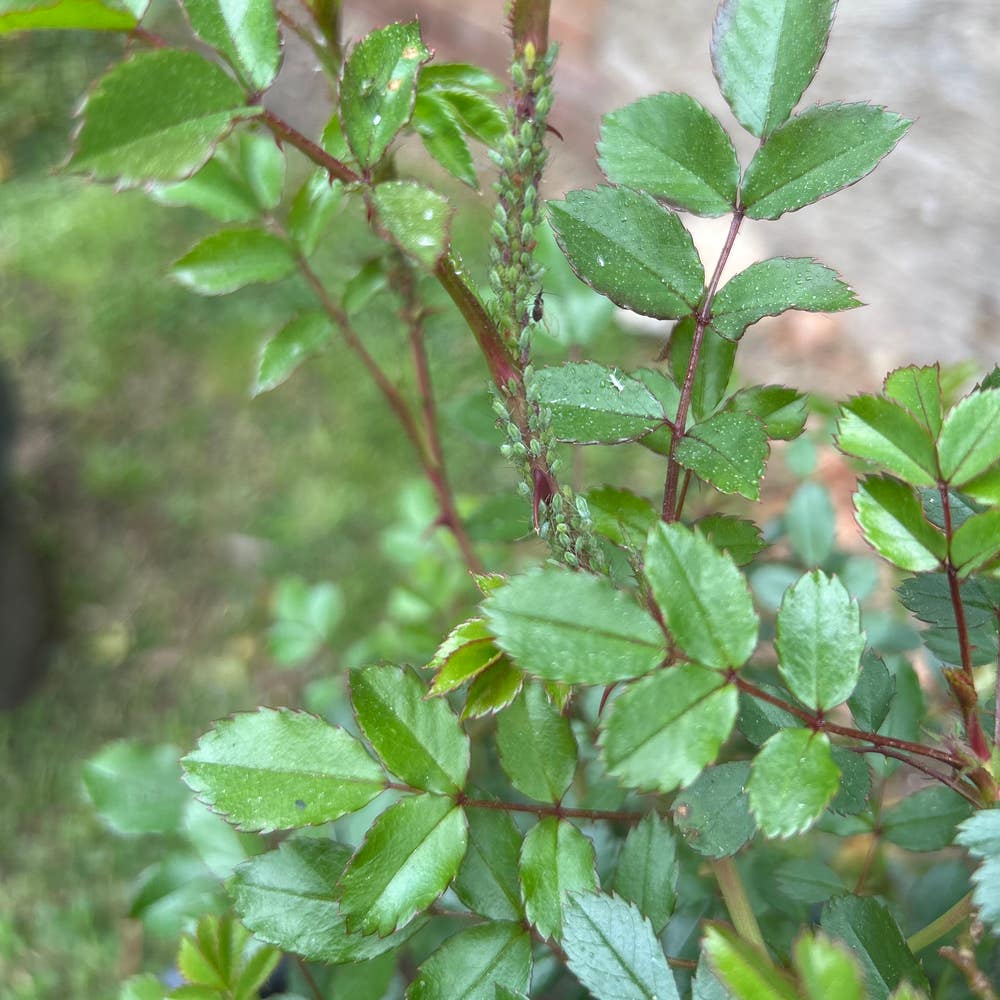
Pest infestations are another factor contributing to brown spots. Spider Mites are tiny pests that cause stippling and browning of leaves. Aphids can lead to leaf curling and browning due to their sap extraction.
Monitoring for pests is an essential part of overall rose care. Regular inspections can help catch infestations early, allowing for timely intervention.
Understanding these causes of brown spots is the first step in addressing the issue. With proper identification and management, you can keep your climbing roses healthy and vibrant. Next, we’ll explore how to diagnose these problems effectively.
Diagnosis
Identifying Symptoms 🌿
Diagnosing brown spots on your climbing rose starts with identifying the symptoms. For fungal diseases, look for circular spots on leaves, powdery mildew, and signs of leaf drop.
Bacterial infections present differently; observe for irregular dark spots surrounded by yellow halos and any wilting of the leaves.
Assessing Environmental Factors 🌤️
Next, assess the environmental conditions affecting your roses. Check for signs of overwatering, such as soggy soil or wilting despite moisture.
Underwatering can also cause stress, leading to browning leaves. Evaluate air circulation and humidity levels, as both can significantly impact plant health.
Differentiating Between Pest Damage and Disease Symptoms 🐛
It's crucial to differentiate between pest damage and disease symptoms for effective treatment. Inspect the leaves closely for pests; look for webbing indicative of spider mites or clusters of aphids.
Compare the damage patterns: pest damage tends to be localized, while disease symptoms often spread uniformly across the plant. This distinction will guide your next steps in treatment and care.
With a clear understanding of the symptoms and environmental factors, you're well-equipped to tackle the issues affecting your climbing roses. Next, we’ll explore effective treatment options to restore their health.
Treatment Options
🌱 Organic Fungicides
Organic fungicides are a great first line of defense against brown spots on climbing roses. Neem oil and sulfur-based products are highly recommended for their effectiveness and eco-friendliness.
To apply, simply spray the affected areas every 7-14 days during the active growth period. This routine helps keep fungal diseases at bay while being gentle on the environment.
⚗️ Chemical Treatments
For severe cases of black spot or powdery mildew, chemical treatments may be necessary. Systemic fungicides can penetrate the plant's system, providing robust protection against persistent fungal issues.
Always follow the label instructions for dosage and application frequency to ensure safety and effectiveness. This approach can help restore your climbing roses to their former glory.
✂️ Pruning Affected Leaves and Stems
Pruning is an essential step in managing brown spots. Here’s how to do it effectively:
- Use clean, sharp pruning shears to avoid introducing new diseases.
- Remove all affected leaves and stems to prevent the spread of infection.
- Dispose of the pruned material away from your garden to eliminate potential sources of reinfection.
This simple practice can significantly improve the health of your climbing roses.
🌬️ Improving Air Circulation
Enhancing air circulation around your climbing roses is crucial for preventing fungal diseases. Here are some techniques to consider:
- Space plants adequately when planting to allow for airflow.
- Train climbing roses on trellises to prevent overcrowding, which can trap moisture and promote disease.
By implementing these strategies, you can create a healthier environment for your roses, reducing the risk of brown spots.
With these treatment options in hand, you’re well-equipped to tackle brown spots on your climbing roses. Next, let’s explore effective prevention strategies to keep your roses thriving year-round.
Prevention Strategies
Proper Watering Techniques 🌊
To keep your climbing roses healthy, establish a deep watering schedule. Aim for once a week, adjusting based on rainfall to ensure your plants receive adequate moisture without becoming waterlogged.
Avoid overhead watering whenever possible. This practice minimizes leaf wetness, reducing the risk of fungal diseases that thrive in damp conditions.
Soil Health and Amendments 🏵️
Well-draining soil is crucial for preventing root issues in climbing roses. Poor drainage can lead to root rot, which is detrimental to your plants.
Consider adding compost and balanced fertilizers to enrich your soil. These amendments improve soil structure and provide essential nutrients for robust growth.
Choosing Disease-Resistant Varieties 🌹
Selecting disease-resistant rose varieties can save you a lot of trouble down the line. Varieties like 'New Dawn', 'Eden', and 'Climbing Iceberg' are known for their resilience against common diseases.
By choosing these varieties, you can significantly reduce the incidence of brown spots and other issues, allowing you to enjoy a healthier garden.
Seasonal Care Practices 🍂
Seasonal care is vital for maintaining the health of your climbing roses. In spring, focus on fertilization and pruning to encourage new growth and vitality.
As fall approaches, prepare your roses for winter by mulching and protecting their roots. This proactive approach helps ensure your plants survive the colder months and thrive come spring.
With these prevention strategies in place, you can enjoy a flourishing climbing rose garden. Next, let's explore how to monitor and maintain your roses for ongoing health and beauty.
Monitoring and Maintenance
🌿 Regular Inspection
Regular inspections are essential for keeping your climbing roses healthy. Aim to check your plants weekly during the growing season for any changes in leaf color, the appearance of spots, or signs of pest presence.
📅 Maintaining a Consistent Fertilization Schedule
To promote robust growth, fertilize your roses every 4-6 weeks throughout the growing season. Use balanced NPK fertilizers specifically formulated for roses to ensure they receive the nutrients they need.
🌱 Best Practices for Mulching and Soil Management
Mulching is a game-changer for your climbing roses. It helps retain moisture, suppress weeds, and regulate soil temperature, creating a healthier environment for your plants.
For the best results, apply organic mulch like wood chips or straw, spreading it 2-3 inches deep around the base of your roses. This simple practice can significantly enhance soil health and support your plants' overall well-being.
By implementing these monitoring and maintenance strategies, you can ensure your climbing roses thrive and remain vibrant throughout the growing season. Next, let’s explore how to prevent brown spots and other issues before they arise.
⚠️ Safety First
This content is for general information and may contain errors, omissions, or outdated details. It is not medical, veterinary advice, or an endorsement of therapeutic claims.
Always consult a qualified healthcare professional before using any plant as food, medicine, or supplement.
Never eat any plant (or feed one to pets) without confirming its identity with at least two trusted sources.
If you suspect poisoning, call Poison Control (800) 222-1222, the Pet Poison Helpline (800) 213-6680, or your local emergency service immediately.
Spotted an error? Please report it here.
Keep your climbing roses thriving 🌹 by using Greg's tailored care reminders and expert tips to combat brown spots and promote vibrant growth!