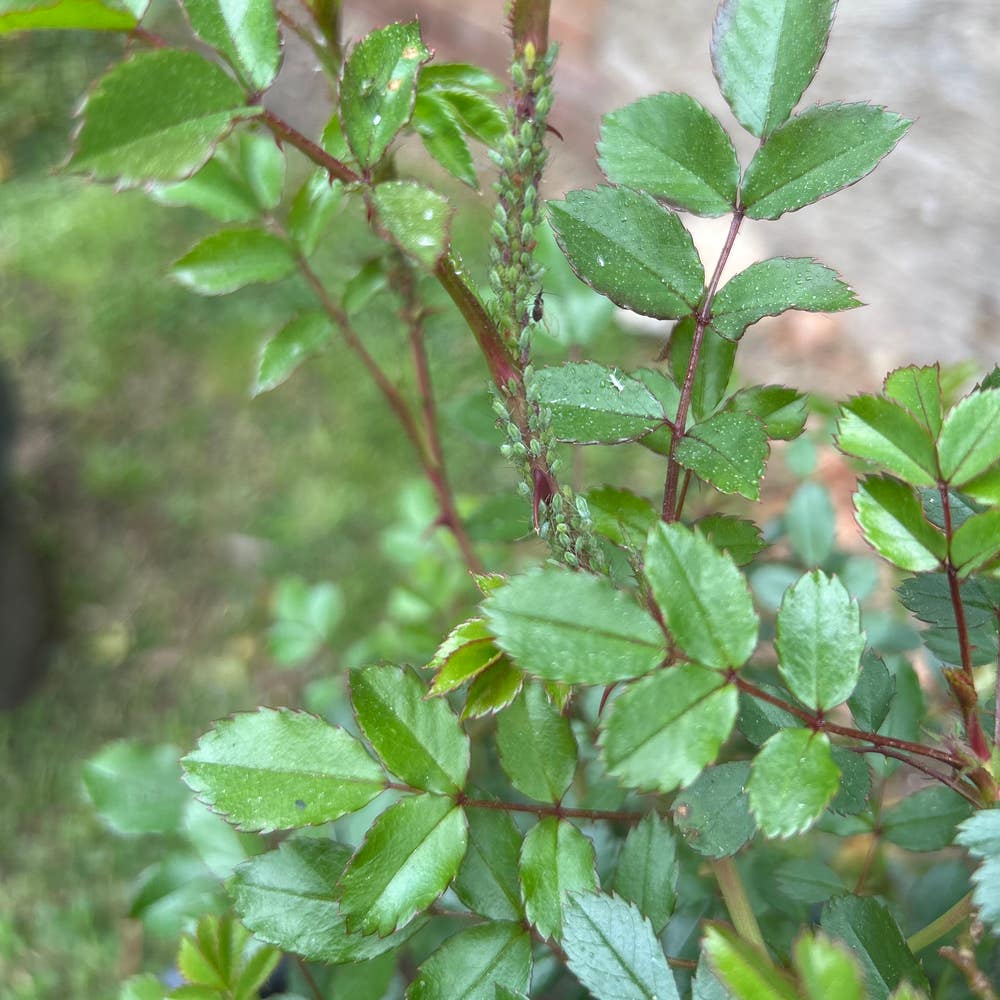
Expected Size of Your Climbing Rose 🌹
Rosa spp.
By the Greg Editorial Team
Nov 25, 2024•6 min read
This article was created with the help of AI so we can cover more plants for you. May contain errors. See one? Report it here.
- 🌹 Climbing roses grow 8-15 feet tall; dwarf varieties reach 3-4 feet for small spaces.
- 🌞 Optimal growth requires 6-8 hours of sunlight and consistent moisture management.
- ✂️ Pruning in late winter promotes healthy growth and helps manage size effectively.
Mature Height and Spread
Typical Mature Dimensions 🌹
When considering climbing roses, it's essential to understand their size. Standard climbing roses typically reach heights of 8 to 15 feet and spread 3 to 6 feet wide, making them a stunning addition to any garden.
In contrast, dwarf climbing roses are more compact, growing to about 3 to 4 feet tall with a spread of 2 to 3 feet. These varieties are perfect for smaller spaces or container gardening.
Growth Habits 🌱
Climbing roses exhibit a sprawling growth pattern that can significantly influence their overall dimensions. This characteristic often necessitates support structures, such as trellises or fences, to help them thrive.
Their climbing mechanism relies on tendrils and canes that attach to supports, which directly impacts their height and spread. Understanding these growth habits is crucial for planning your garden layout effectively.
With the right care and support, climbing roses can transform your outdoor space into a vibrant floral display. As you consider their size, remember that proper training and support can help you maximize their beauty and growth potential.
Growth Rate
🌱 Factors Influencing Growth Rate
The growth rate of climbing roses can significantly vary based on several key factors. Optimal conditions, such as well-draining soil, adequate sunlight, and proper watering, are essential for faster growth.
Under ideal conditions, you can expect an average growth rate of 1 to 2 feet per year. This means that with the right care, your climbing rose can quickly become a stunning focal point in your garden.
⏳ Timeframe to Reach Full Size
Typically, climbing roses take about 3 to 5 years to reach their mature height and spread. However, this timeframe can vary based on the specific cultivar and environmental factors.
For instance, some varieties may thrive faster in favorable climates, while others might take a bit longer if conditions aren't perfect. Understanding these nuances can help you set realistic expectations for your climbing rose's growth journey.
As you nurture your climbing rose, keep in mind that patience is key. With the right care, your rose will flourish and bring beauty to your garden for years to come.
Next, let’s explore the size variability among different climbing rose varieties.
Size Variability Among Varieties
🌱 Dwarf and Giant Varieties
Climbing roses come in a variety of sizes, each with unique characteristics that cater to different gardening needs. Dwarf climbing roses, such as 'The Fairy' and 'Miniature Rose', typically reach heights of 3 to 4 feet and spread about 2 to 3 feet, making them perfect for smaller spaces or container gardening.
On the other end of the spectrum, giant climbing roses like 'New Dawn' and 'Don Juan' can soar to impressive heights of 8 to 15 feet, with spreads of 3 to 6 feet. These robust varieties are ideal for creating stunning vertical displays on trellises or walls, adding a dramatic flair to any garden.
🌹 Choosing the Right Variety
When selecting a climbing rose, consider the space you have available. Dwarf varieties are excellent for patios or small gardens, while giant varieties can transform larger areas into lush, fragrant retreats.
Understanding the size variability among climbing rose varieties allows you to make informed choices that suit your gardening style and space. This knowledge sets the stage for exploring how other factors, like soil quality and sunlight exposure, can further influence the size of your climbing roses.
Factors Affecting Size
🌱 Impact of Soil Quality on Size
Soil quality plays a crucial role in the growth of climbing roses. Nutrient-rich, well-draining soil is essential for optimal growth, allowing roots to thrive and absorb necessary nutrients.
The ideal soil pH for climbing roses ranges from 6.0 to 6.8. This range ensures that the plants can effectively utilize nutrients, promoting healthier and more robust growth.
☀️ Influence of Sunlight Exposure on Growth
Sunlight is another key factor influencing the size of climbing roses. Ideally, these plants require 6 to 8 hours of full sun each day to reach their full potential.
When climbing roses are exposed to partial shade, their growth rate and mature size can be significantly affected. Insufficient sunlight can lead to leggy growth and fewer blooms.
💧 Effects of Water Availability on Size
Water availability is vital for climbing roses, as consistent moisture is necessary for healthy growth. However, it's important to avoid waterlogging, which can damage the roots.
Signs of water stress include wilting and stunted growth. Keeping a close eye on moisture levels can help ensure your climbing roses thrive.
🌤️ Climate Considerations for Size Variability
The climate in which climbing roses are grown can greatly affect their size. These plants are best suited for USDA hardiness zones 5-9, where temperatures are more favorable.
Extreme temperatures can impact growth patterns, leading to variations in size. Understanding your local climate can help you choose the right varieties for your garden.
As you consider these factors, remember that each element plays a part in shaping the overall health and size of your climbing roses. Next, let's explore size control techniques to help you manage their growth effectively.
Size Control Techniques
🌿 Pruning Methods to Manage Size
To keep your climbing roses in check, timing is crucial. Prune them in late winter or early spring, just before new growth begins.
Thinning out old wood is essential for promoting healthier, bushier growth. Cutting back canes will encourage new shoots, ensuring your roses maintain a manageable size.
🏗️ Training Techniques for Size Control
Using trellises and supports is a game-changer for guiding the growth direction of your climbing roses. These structures not only help control height but also enhance the overall aesthetic of your garden.
Tying canes to supports is another effective technique. This method allows you to manipulate the shape and spread of your roses, ensuring they flourish without becoming unruly.
📅 Seasonal Considerations for Pruning
Understanding the seasons is vital for effective size management. Pruning at the right time can significantly impact your roses' growth patterns.
Adjust your pruning techniques based on the growth stage of your plants. This flexibility will help you achieve the desired size and shape throughout the growing season.
With these size control techniques, you can cultivate a stunning display of climbing roses that fits perfectly within your garden space. Next, let’s explore the various factors that affect the size of your climbing roses.
⚠️ Safety First
This content is for general information and may contain errors, omissions, or outdated details. It is not medical, veterinary advice, or an endorsement of therapeutic claims.
Always consult a qualified healthcare professional before using any plant as food, medicine, or supplement.
Never eat any plant (or feed one to pets) without confirming its identity with at least two trusted sources.
If you suspect poisoning, call Poison Control (800) 222-1222, the Pet Poison Helpline (800) 213-6680, or your local emergency service immediately.
Spotted an error? Please report it here.
Grow stunning climbing roses 🌹 with Greg's tailored watering reminders and care tips, ensuring they thrive beautifully in your garden!