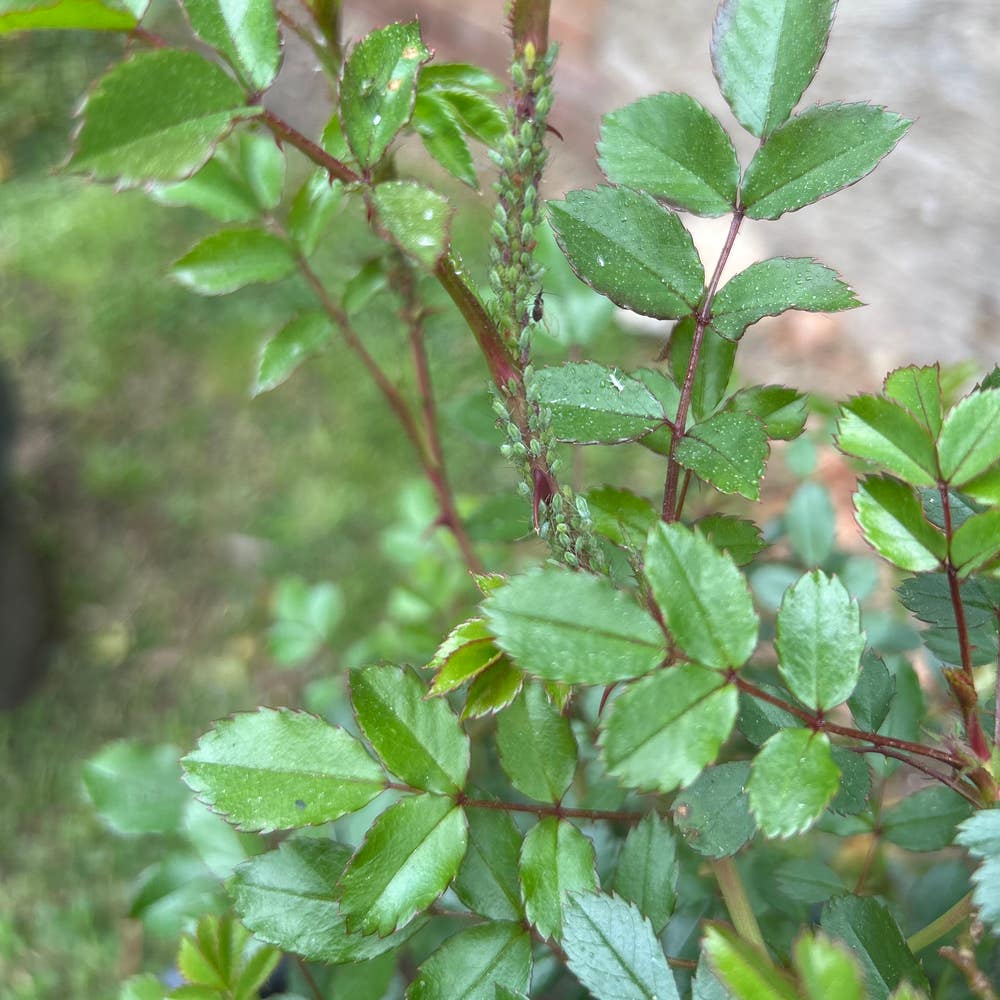
Best Humidity Levels for Climbing Rose 🌹
Rosa spp.
By the Greg Editorial Team
Nov 25, 2024•5 min read
This article was created with the help of AI so we can cover more plants for you. May contain errors. See one? Report it here.
- 🌹 Climbing roses thrive best in humidity levels between 40% and 70%.
- 💧 Low humidity causes stress, leading to stunted growth and disease susceptibility.
- 🌬️ Proper air circulation prevents mold in high humidity, ensuring healthy roses.
Ideal Humidity Levels for Climbing Roses
🌧️ Humidity Preferences
Climbing roses thrive best in a humidity range of 40% to 70%. This level is crucial as it promotes robust growth and enhances disease resistance, allowing these beautiful plants to flourish.
Humidity directly impacts the vigor of climbing roses. When humidity is too low, plants can become stressed, leading to stunted growth and increased susceptibility to diseases. Conversely, excessive humidity can create a breeding ground for mold and mildew.
🌹 Specific Humidity Preferences for Common Varieties
Different climbing rose varieties have unique humidity preferences.
'New Dawn': This popular variety prefers moderate humidity, thriving best around 50%-60%. It balances well between moisture and air circulation, making it a favorite among gardeners.
'Eden': Known for its lush blooms, 'Eden' benefits from higher humidity levels, ideally between 60%-70%. This variety loves a bit of moisture in the air to support its growth.
'Climbing Iceberg': This resilient variety tolerates a wider humidity range but prefers conditions around 40%-60%. Its adaptability makes it a great choice for various climates.
Understanding these preferences helps you create the ideal environment for your climbing roses, ensuring they reach their full potential.
As you consider these humidity levels, remember that local conditions can significantly influence how you care for your climbing roses. Let's explore how to assess and adapt to your local humidity.
Local Humidity Considerations
🌧️ Assessing Local Conditions
Understanding your local humidity levels is crucial for the health of your climbing roses. You can easily find this information through weather apps or local meteorological services, which provide real-time data on humidity percentages.
Seasonal variations can significantly impact your climbing rose care. For instance, summer may bring higher humidity, while winter can dry out the air, affecting how you manage your plants.
🌬️ Adapting Care Based on Local Conditions
Once you know your local humidity levels, it's time to adapt your care routine. Adjusting your watering schedule is essential; during high humidity, you might need to water less frequently to prevent root rot.
Humidity management strategies should also be tailored to your environment. If you live in a drier area, consider using methods to boost humidity, while those in more humid climates should focus on preventing excess moisture around their climbing roses.
By staying attuned to local conditions, you can ensure your climbing roses thrive beautifully. This proactive approach sets the stage for effective humidity management, leading to healthier plants and more vibrant blooms.
Strategies for Managing Humidity
🌧️ Methods to Boost Humidity
Using Humidifiers
Humidifiers can be a game-changer for your climbing roses. Opt for cool mist or warm mist humidifiers, depending on your preference and the specific needs of your plants.
For optimal performance, place the humidifier near your climbing roses but ensure it doesn’t directly spray them. Regular maintenance is key; clean the unit frequently to prevent mold buildup and ensure efficient operation.
Grouping Plants Together
Clustering your climbing roses with other plants can create a beneficial microenvironment. This arrangement naturally increases humidity levels around the plants.
Aim for spacing that allows air circulation while still keeping the plants close enough to share moisture. Companion plants like ferns or other humidity-loving species can enhance this effect.
Pebble Trays and Water Bowls
Creating pebble trays is a simple yet effective way to boost humidity. Fill a shallow tray with pebbles and add water until it just touches the pebbles, then place your climbing roses on top.
Water bowls can also help; place them near your plants to evaporate moisture into the air. Be sure to refill the bowls regularly to maintain humidity levels.
🌬️ Methods to Reduce Humidity
Proper Air Circulation
Good airflow is essential for preventing mold and mildew on your climbing roses. To improve air circulation, consider using oscillating fans to keep the air moving around your plants.
Position the fan so it gently blows air across the foliage without directly blasting the plants. This will help maintain a healthy environment while reducing the risk of humidity-related issues.
Avoiding Overwatering
Overwatering can lead to excessive humidity and stress your climbing roses. Look for signs like yellowing leaves or soggy soil to assess moisture levels.
Water your climbing roses only when the top inch of soil feels dry. This practice helps maintain ideal humidity without creating a damp environment.
Using Dehumidifiers
If you notice signs of high humidity, such as mold or mildew, it might be time to consider a dehumidifier. Look for indicators like condensation on windows or a musty smell in the air.
Choose a dehumidifier that suits your space and can handle the humidity levels effectively. This tool can help create a balanced environment for your climbing roses, ensuring they thrive.
By managing humidity effectively, you can create the perfect conditions for your climbing roses to flourish. Next, let’s explore common humidity-related issues and how to address them.
Common Humidity-Related Issues
Signs of Low Humidity Stress 🌵
Low humidity can be detrimental to climbing roses. Watch for symptoms like leaf curling, browning tips, and reduced flowering, which indicate your plants are struggling.
If you notice these signs, act quickly. Increase humidity by misting the leaves or using a pebble tray to create a more favorable environment.
Signs of High Humidity Stress 🌧️
Excessive humidity can lead to serious problems for climbing roses. Look for signs such as powdery mildew, root rot, and fungal infections, which can devastate your plants.
To prevent these issues, ensure proper air circulation around your roses. This can help mitigate the risks associated with high humidity levels.
Solutions for Humidity-Related Problems 💧
Addressing humidity issues involves a few general strategies. Adjust your watering practices, improve air circulation, and consider using humidity control tools like humidifiers or dehumidifiers.
For climbing roses specifically, maintain optimal humidity levels by monitoring soil moisture and ensuring good airflow. These best practices will help keep your roses healthy and thriving.
⚠️ Safety First
This content is for general information and may contain errors, omissions, or outdated details. It is not medical, veterinary advice, or an endorsement of therapeutic claims.
Always consult a qualified healthcare professional before using any plant as food, medicine, or supplement.
Never eat any plant (or feed one to pets) without confirming its identity with at least two trusted sources.
If you suspect poisoning, call Poison Control (800) 222-1222, the Pet Poison Helpline (800) 213-6680, or your local emergency service immediately.
Spotted an error? Please report it here.
Keep your climbing roses thriving with perfect humidity 🌿 by using Greg's tailored tips and reminders to create the ideal environment for stunning blooms!