🌹 Climbing Rose Buds Falling off
Rosa spp.
By the Greg Editorial Team
Nov 25, 2024•7 min read
This article was created with the help of AI so we can cover more plants for you. May contain errors. See one? Report it here.
- 🌱 Environmental stress and pests cause climbing rose buds to drop prematurely.
- 🌞 Ensure at least six hours of sunlight daily for healthy blooms.
- 🥕 Balanced nutrition, especially potassium, is vital for thriving climbing roses.
Premature Flower Drop
🌪️ Causes of Premature Flower Drop
Premature flower drop in climbing roses can be frustrating. Understanding the causes is the first step to prevention.
Environmental Stress Factors
Sudden temperature changes can shock your roses, leading to flower drop. Excessive heat or cold can also stress the plant, causing it to shed buds prematurely.
Nutritional Deficiencies
Roses need a balanced diet to thrive. A lack of essential nutrients, particularly potassium and phosphorus, can result in weak blooms that fall off before they fully develop.
Watering Issues
Watering practices play a crucial role in flower health. Overwatering can lead to root rot, while underwatering stresses the plant, both of which can trigger premature flower drop.
Pest Infestations
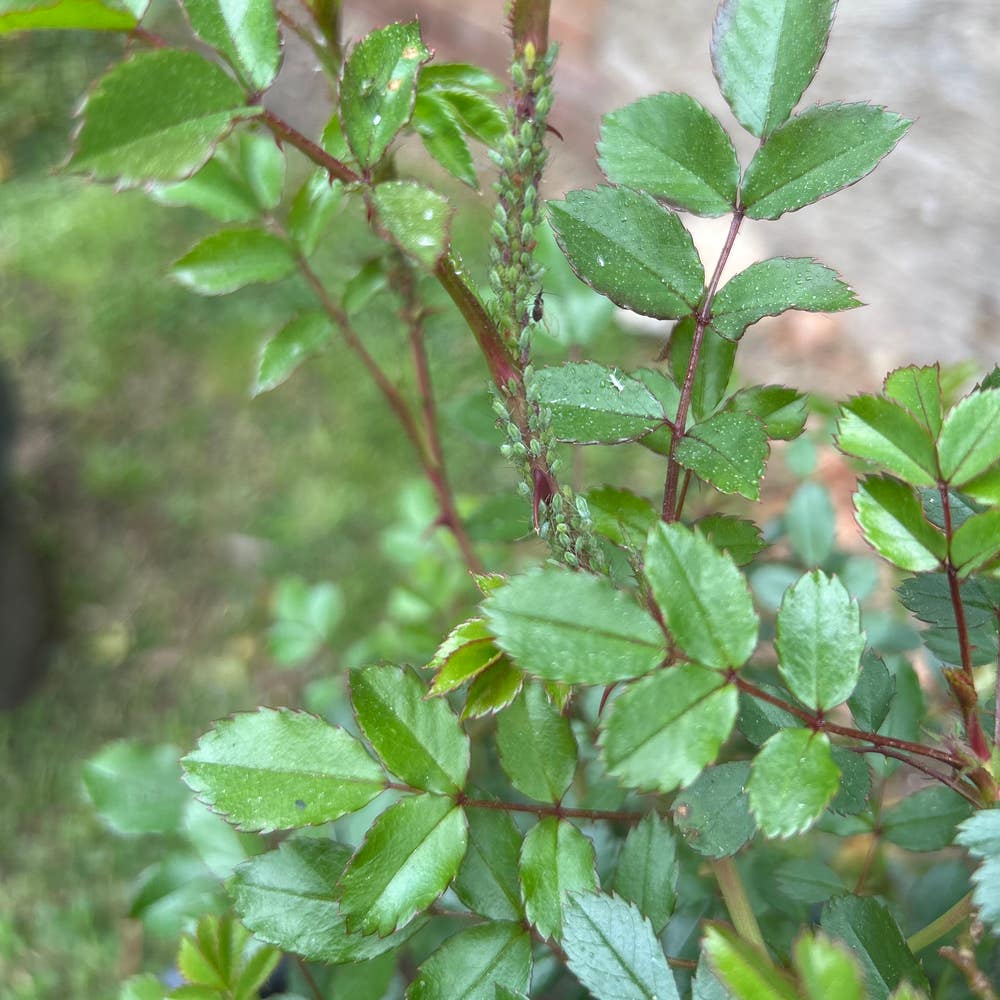
Pests like aphids and spider mites can wreak havoc on your climbing roses. These infestations not only damage leaves but can also affect the overall health of the flowers, causing them to drop.
🛠️ Solutions to Prevent Premature Flower Drop
Preventing premature flower drop involves a few key strategies. Implementing these solutions can help ensure your climbing roses thrive.
Implementing a Consistent Watering Schedule
Establish a consistent watering routine. Water deeply but infrequently to encourage strong root development and resilience against stress.
Fertilizing with a Balanced Rose Fertilizer
Use a balanced rose fertilizer to provide essential nutrients. An NPK ratio of 10-10-10 or 5-10-5 is recommended to support healthy growth and blooming.
Monitoring and Managing Pests
Regular inspections of your roses are essential. If you spot pests, consider using organic pesticides to manage infestations effectively.
Providing Shade During Extreme Heat
During periods of extreme heat, provide shade for your climbing roses. This simple step can protect them from heat stress and help maintain flower integrity.
By addressing these causes and implementing effective solutions, you can significantly reduce the risk of premature flower drop. Next, let’s explore how to identify abnormal flower development in your climbing roses.
Abnormal Flower Development
Identifying Abnormal Flower Development 🌸
Abnormal flower development can be frustrating for any rose enthusiast. Look out for flowers that are smaller than usual, as this can indicate underlying issues.
Additionally, distorted shapes or colors in the blooms are telltale signs of distress. If you notice buds that fail to open, it’s time to investigate further.
Factors Affecting Flower Development 🌞
Light exposure plays a crucial role in flower quality. Insufficient sunlight can lead to weak flower formation, leaving your climbing roses looking lackluster.
Nutritional imbalances also contribute to poor blooms. For instance, excess nitrogen may result in lush foliage but few flowers, which is disappointing for any gardener.
Environmental conditions cannot be overlooked either. High humidity or poor air circulation can significantly affect flower quality, leading to disappointing results.
Understanding these factors is essential for nurturing healthy blooms. By addressing light, nutrition, and environmental conditions, you can encourage robust flower development in your climbing roses.
As we explore the next section, we’ll delve into the common reasons for failure to bloom, ensuring your roses reach their full potential.
Failure to Bloom
🌼 Common Reasons for Failure to Bloom
Climbing roses can be a gardener's pride, but when they fail to bloom, it can be disheartening. One of the primary culprits is insufficient light; these plants need at least six hours of direct sunlight daily to thrive.
Another reason could be improper pruning techniques. Pruning at the wrong time can hinder blooming, as can the age of the plant—younger plants often take longer to establish and produce flowers. Additionally, the presence of diseases, such as fungal infections or root diseases, can significantly inhibit growth and flowering.
🌱 Steps to Encourage Blooming
To encourage your climbing roses to bloom, start by ensuring they receive adequate sunlight. If necessary, consider relocating plants to a sunnier spot.
Next, focus on correct pruning practices. Prune your roses after the last frost to promote new growth effectively. Lastly, don’t forget about fertilizing; using a bloom booster fertilizer during the growing season can provide the nutrients needed for vibrant flowers.
By addressing these common issues and implementing these steps, you can help your climbing roses flourish and fill your garden with beautiful blooms. Transitioning from blooming challenges, let’s explore the impact of pruning on flowering next.
Pruning and Its Impact on Flowering
✂️ Pruning Techniques
Pruning climbing roses is essential for promoting healthy blooms. Start with the right tools: sharp pruning shears and gloves are a must for clean cuts and protection.
To encourage blooms, focus on cutting back dead or weak stems. This not only revitalizes the plant but also directs energy to stronger growth. Shaping the plant improves air circulation, which is crucial for preventing diseases and fostering vibrant flowers.
⏰ Timing of Pruning for Optimal Blooms
Timing your pruning is just as important as the technique. The ideal time to prune climbing roses is late winter to early spring. This timing aligns with the plant's natural growth cycle, ensuring that your roses are primed for a spectacular bloom season.
Proper timing helps avoid disrupting the bloom cycle, allowing your roses to flourish when the weather warms up.
⚠️ Effects of Improper Pruning
How Incorrect Pruning Can Lead to Flowering Issues
Improper pruning can have significant consequences for your climbing roses. Heavy pruning can lead to reduced flowering in the current season, leaving you with fewer blooms to enjoy.
Look out for signs of over-pruning, such as excessive new growth with few blooms. This indicates that the plant is struggling to recover and may need a more balanced approach to pruning in the future.
By mastering the art of pruning, you can ensure your climbing roses thrive and produce stunning flowers. Next, let’s explore how to manage pests and diseases that can also impact flowering.
Pest and Disease Management
🐞 Common Pests Affecting Climbing Roses
Climbing roses can be vulnerable to several pests that threaten their health and flowering potential. The most common culprits include aphids, spider mites, and thrips.
Aphids are tiny, soft-bodied insects that suck sap from the plant, leading to discolored leaves and stunted growth. Spider mites, on the other hand, are even smaller and often leave fine webbing on the undersides of leaves, indicating a serious infestation. Thrips can cause distorted buds and flowers, making them appear unsightly.
🧪 Treatment Options for Pest Infestations
Managing pest infestations effectively is crucial for maintaining healthy climbing roses. Organic pest control methods are often the best approach.
Using neem oil can disrupt the life cycle of pests without harming beneficial insects. Insecticidal soap is another effective option, as it suffocates pests on contact. Additionally, introducing beneficial insects like ladybugs can help keep pest populations in check naturally.
🌼 Diseases Impacting Flowering
Climbing roses are also susceptible to various diseases that can hinder their blooming capabilities. Fungal diseases such as powdery mildew and black spot are particularly common.
Powdery mildew appears as a white, powdery coating on leaves, while black spot manifests as dark spots on foliage, leading to premature leaf drop. Bacterial infections, like crown gall, can cause galls or swellings on stems and roots, severely affecting plant health.
🛡️ Prevention and Treatment Strategies
Preventing diseases in climbing roses is often easier than treating them. Good air circulation and proper spacing between plants can significantly reduce the risk of fungal infections.
Regular monitoring is essential; check your roses frequently for early signs of disease. If symptoms appear, immediate treatment is crucial to prevent spread. Opting for disease-resistant varieties can also save you from future headaches, ensuring your climbing roses thrive beautifully.
With diligent care and attention to pests and diseases, your climbing roses can flourish, providing stunning blooms season after season. Now, let’s explore how pruning techniques can further enhance their flowering potential.
⚠️ Safety First
This content is for general information and may contain errors, omissions, or outdated details. It is not medical, veterinary advice, or an endorsement of therapeutic claims.
Always consult a qualified healthcare professional before using any plant as food, medicine, or supplement.
Never eat any plant (or feed one to pets) without confirming its identity with at least two trusted sources.
If you suspect poisoning, call Poison Control (800) 222-1222, the Pet Poison Helpline (800) 213-6680, or your local emergency service immediately.
Spotted an error? Please report it here.
Keep your climbing roses thriving 🌹 by using Greg's tailored watering and nutrition reminders to prevent bud drop and ensure stunning blooms all season long!