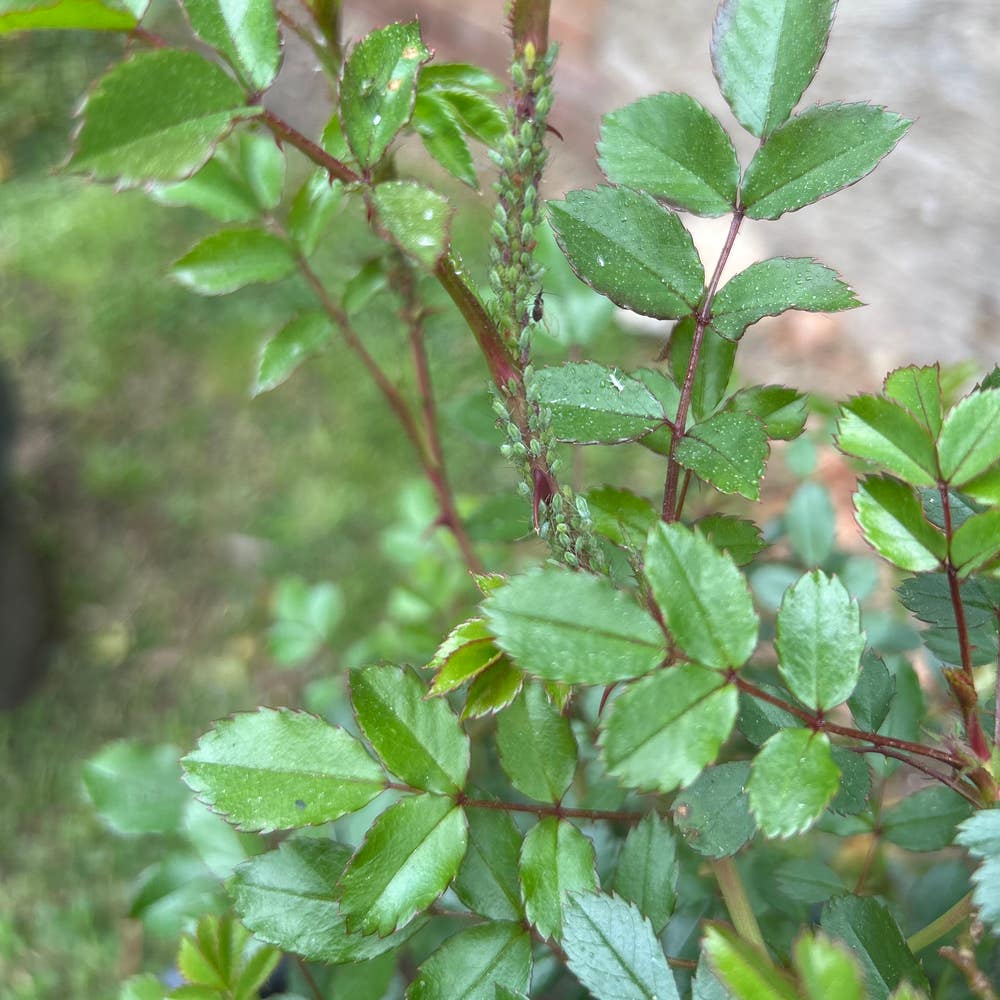
How to Get Your Rose Bush to Bloom 🌹
Rosa spp.
By the Greg Editorial Team
Nov 25, 2024•5 min read
This article was created with the help of AI so we can cover more plants for you. May contain errors. See one? Report it here.
- 🌹 Roses bloom from spring to early fall, influenced by variety and climate.
- 🌞 6 to 8 hours of sunlight and balanced fertilizer are crucial for blooming.
- ✂️ Regular pruning encourages new growth, leading to abundant blooms.
If Rose Bush Flowers
🌹 Flower Characteristics
Description of Colors and Structure
Roses are celebrated for their stunning array of colors, including vibrant red, soft pink, sunny yellow, pure white, and captivating bi-color variations. Each flower typically features multiple petals arranged in a spiral pattern, often accompanied by a delightful fragrance that enhances their appeal.
The size and shape of rose blooms can vary significantly among different varieties. From petite blossoms to large, showy flowers, the diversity in rose structure adds to their charm in any garden.
🐝 Self-Pollination vs. External Pollination
Many rose varieties are self-pollinating, meaning they can produce seeds without needing pollen from another flower. However, cross-pollination can enhance fruit and seed production, leading to healthier plants.
Pollinators like bees and butterflies play a crucial role in this process. Their activity not only aids in pollination but also boosts flowering and fruiting, making them essential allies in the garden.
🌼 Blooming Process
Stages of Blooming and Typical Bloom Time
The blooming process of roses unfolds in several stages: bud formation, opening, full bloom, and eventual fading. Typically, roses bloom from spring to early fall, with timing influenced by the specific variety and local climate conditions.
Duration from Bud Formation to Full Bloom
From the moment a bud forms, it generally takes several weeks to reach full bloom. Factors such as temperature, sunlight, and water availability can significantly affect this timeline, so gardeners should keep an eye on these elements.
Lifespan of Flowers
Once in bloom, roses usually last about 5 to 7 days, depending on environmental conditions. To prolong the life of these beautiful flowers, proper watering and deadheading—removing spent blooms—are essential practices.
🌱 Encouraging Blooms
Tips to Encourage Blooming
To encourage your rose bush to bloom abundantly, regular pruning is key. This practice promotes new growth and flowering, ensuring your plants remain vibrant throughout the season.
Additionally, a balanced fertilizer applied during the growing season can provide the nutrients roses need. Ensuring your roses receive 6 to 8 hours of direct sunlight daily is also crucial for optimal blooming.
Factors Influencing Flowering
Soil quality and drainage are vital for healthy roses. Well-draining soil prevents waterlogging, which can hinder growth and flowering.
Consistent watering practices are equally important. Understanding seasonal changes can also help you anticipate bloom variations, allowing you to adjust care accordingly.
🌙 Post-Flowering
What Happens After the Flowering Period
After the flowering period, rose bushes transition into a dormant phase. This is a natural part of their life cycle, and proper post-flowering care, including pruning and fertilization, is essential for encouraging future blooms.
Clarification on Whether Rose Bush Dies After Flowering
It's a common misconception that rose bushes die after flowering. In reality, they continue to grow and can produce new blooms in subsequent seasons, making them a long-lasting addition to any garden.
🐞 Pollination
Description of Pollination Methods for Rose Bush
Roses benefit from various natural pollination methods, including wind and insect pollination. For gardeners interested in seed production, manual pollination techniques can also be employed to ensure successful fertilization.
Understanding these methods can enhance your gardening experience and contribute to the overall health and productivity of your rose bushes.
As you explore the fascinating world of rose flowering, you'll discover how to nurture these beautiful plants for a stunning display in your garden.
If Rose Bush Doesn't Flower
Primary Ornamental or Functional Features 🌹
Even when a rose bush isn't in bloom, it can still be a stunning addition to your garden. The foliage often features unique leaf shapes and vibrant colors that can enhance your landscape.
Non-flowering varieties play a crucial role in landscape design. They provide texture and visual interest, ensuring your garden remains appealing year-round.
Reproduction Methods Without Flowers 🌱
Rose bushes can reproduce without flowers through a process called vegetative reproduction. This method includes propagation techniques like cuttings and grafting, allowing gardeners to create new plants from existing ones.
Non-flowering varieties maintain their presence in gardens by relying on these propagation methods. This ensures that even without blooms, they can thrive and contribute to the beauty of your outdoor space.
As we explore the unique aspects of rose bushes, you'll discover fascinating traits and trivia that make these plants truly remarkable.
Unique Aspects
🌼 Unusual Characteristics Related to Flowering or Non-Flowering Nature
Certain Rose varieties exhibit fascinating traits that set them apart. For instance, some are bred specifically for their foliage, showcasing unique leaf shapes and colors that can enhance garden aesthetics even without blooms.
Hybrid varieties often display altered flowering patterns, which can lead to unexpected blooming behaviors. These hybrids may prioritize foliage or produce flowers at different times, adding an element of surprise to your garden.
📚 Interesting Facts or Trivia About Rose Bush's Reproductive Strategy
Roses have a rich historical significance across various cultures, symbolizing love, beauty, and resilience. Their presence in art and literature underscores their importance, making them more than just a pretty flower.
Additionally, Rose bushes are remarkably resilient, thriving in diverse environments. Their ability to adapt and flourish, even in challenging conditions, speaks to their enduring nature and makes them a favorite among gardeners worldwide.
As we explore the intricacies of Rose bushes, understanding their unique characteristics and historical significance can deepen our appreciation for these beautiful plants. Next, we will delve into the fascinating world of pollination methods for Rose bushes, uncovering how these processes contribute to their growth and reproduction.
⚠️ Safety First
This content is for general information and may contain errors, omissions, or outdated details. It is not medical, veterinary advice, or an endorsement of therapeutic claims.
Always consult a qualified healthcare professional before using any plant as food, medicine, or supplement.
Never eat any plant (or feed one to pets) without confirming its identity with at least two trusted sources.
If you suspect poisoning, call Poison Control (800) 222-1222, the Pet Poison Helpline (800) 213-6680, or your local emergency service immediately.
Spotted an error? Please report it here.
Unlock the secret to vibrant rose blooms 🌹 with Greg's tailored care reminders that help you master sunlight, soil, and pruning for a flourishing garden!