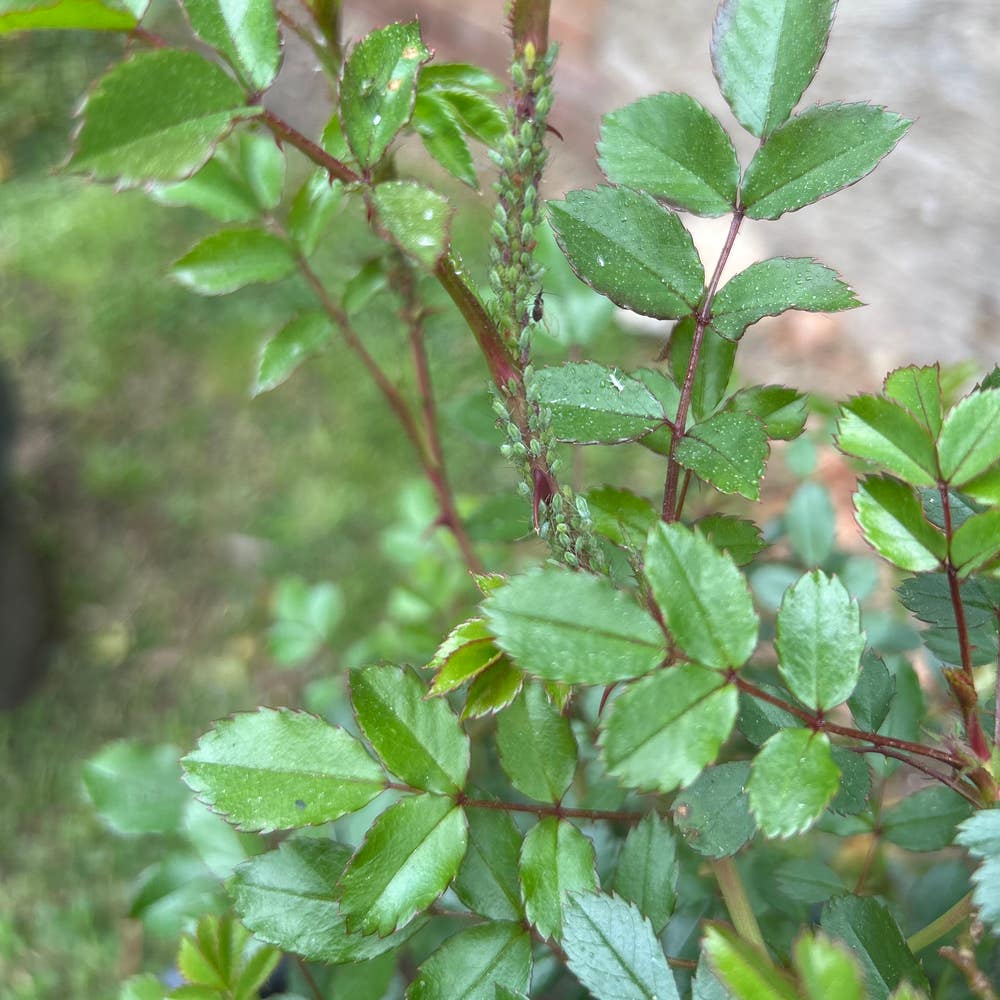
Good Temperature Range for Your Rose Bush ❤️
Rosa spp.
By the Greg Editorial Team
Nov 25, 2024•3 min read
This article was created with the help of AI so we can cover more plants for you. May contain errors. See one? Report it here.
- 🌡️ Ideal temperature for rose bushes is 60°F to 75°F (15°C to 24°C) for growth.
- 🌹 Heat stress signs include wilting and scorched leaves; monitor closely.
- ❄️ Cold snaps can shock roses, causing damage; protect them with burlap wraps.
Temperature Thresholds for Optimal Growth
Ideal Temperature Range 🌡️
For your rose bushes to thrive, aim for an optimal growth temperature between 60°F to 75°F (15°C to 24°C). Different varieties of rose bushes may have unique temperature preferences, so it's essential to know what works best for your specific plants.
Signs of Temperature Stress ⚠️
Temperature stress can manifest in various ways. Heat stress often leads to wilting, scorched leaves, and reduced blooming, while cold stress may cause blackened tips, leaf drop, and stunted growth.
Causes of Temperature Stress 🔍
Several factors can contribute to temperature stress in rose bushes.
Cold Snaps
Sudden drops in temperature can shock your roses, leading to significant damage.
Heat Waves
Prolonged high temperatures can severely impact rose health, causing blooms to suffer.
Fluctuations
Rapid temperature changes can also stress your rose bushes, making it crucial to monitor conditions closely.
Understanding these aspects of temperature management will help you maintain the health and beauty of your roses. Next, we'll explore the effects of temperature on rose health, diving deeper into how both high and low temperatures influence blooming and growth.
Effects of Temperature on Rose Health
🌡️ Impact of High Temperatures
When temperatures soar above 90°F (32°C), rose bushes can experience significant stress. This heat can disrupt their blooming cycles, leading to fewer flowers and smaller blooms.
Hydration becomes crucial during these hot spells. Ensuring your roses receive adequate water helps them cope with the heat and maintain their vibrant appearance.
❄️ Effects of Low Temperatures
Cold temperatures play a vital role in initiating dormancy for rose bushes. However, insufficient exposure to cold can lead to poor growth and flowering in the spring.
To ensure your roses thrive after winter, consider implementing recommended winter care practices. These can include proper mulching and protection from harsh elements, which help your plants emerge healthy and ready to bloom.
As we explore temperature management techniques, you'll discover how to safeguard your roses against the extremes of heat and cold.
Temperature Management Techniques
🌱 Mulching for Temperature Regulation
Mulching is a fantastic way to regulate soil temperature for your rose bushes. It helps retain moisture, suppress weeds, and maintain a more stable temperature around the roots.
Common materials for effective mulching include wood chips, straw, and shredded leaves. These not only provide insulation but also enrich the soil as they decompose.
🛡️ Protective Measures for Extreme Temperatures
When the heat rises, your roses need protection. Shade cloths can provide relief from intense sunlight, while barriers like trellises can shield them from harsh winds.
In colder months, techniques such as burlap wraps and frost cloths can safeguard your roses from freezing temperatures. These methods help maintain warmth and prevent damage during unexpected cold snaps.
⏰ Timing of Planting
Choosing the right time to plant your rose bushes is crucial. Ideally, you should plant them in early spring or fall, aligning with local temperature patterns for optimal growth.
Soil temperature plays a significant role in successful planting. Ensure the soil is warm enough to encourage root development, setting your roses up for a thriving season ahead.
With these temperature management techniques, you can create a nurturing environment for your roses, helping them flourish through the seasons. Next, let’s explore how temperature impacts rose health directly.
⚠️ Safety First
This content is for general information and may contain errors, omissions, or outdated details. It is not medical, veterinary advice, or an endorsement of therapeutic claims.
Always consult a qualified healthcare professional before using any plant as food, medicine, or supplement.
Never eat any plant (or feed one to pets) without confirming its identity with at least two trusted sources.
If you suspect poisoning, call Poison Control (800) 222-1222, the Pet Poison Helpline (800) 213-6680, or your local emergency service immediately.
Spotted an error? Please report it here.
Keep your rose bushes thriving 🌹 by using Greg's tailored temperature alerts and care tips to maintain that sweet spot between 60°F to 75°F!