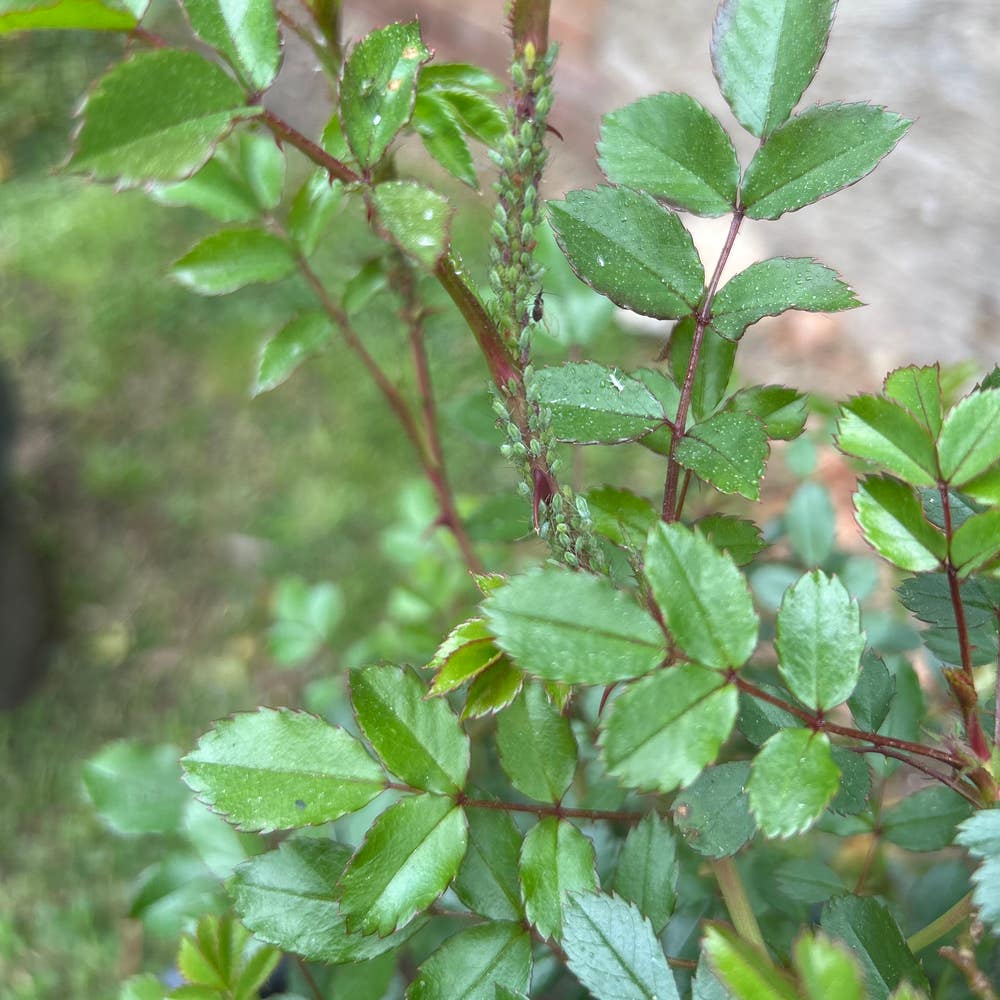
🌹 Rose Bush Wilting? Here's What to Do
Rosa spp.
By the Greg Editorial Team
Nov 25, 2024•6 min read
This article was created with the help of AI so we can cover more plants for you. May contain errors. See one? Report it here.
- 🌡️ Wilting in rose bushes often results from water stress, heat, or diseases.
- 💧 Balanced watering is crucial; overwatering causes root rot, while underwatering leads to dryness.
- 🌿 Monitor temperature and humidity to adapt care and prevent wilting effectively.
Common Causes of Wilting Leaves
💧 Water Stress
Water stress is a primary culprit behind wilting leaves in rose bushes.
Overwatering can lead to yellowing leaves, soggy soil, and even root rot. Conversely, underwatering manifests as dry, crispy leaves and soil that pulls away from the pot.
Maintaining a balanced watering routine is crucial. Aim for consistent moisture without waterlogging to keep your rose bush thriving.
🌡️ Heat Stress
Heat stress can also cause significant wilting.
You might notice wilting during particularly hot days, along with leaf scorch and browning edges.
The ideal temperature range for rose bushes is between 60°F to 75°F (15°C to 24°C). During peak heat, providing partial shade can help protect your plants from direct sunlight.
🦠 Disease-Related Wilting
Diseases can lead to wilting, though they are less common in healthy rose bushes.
Common culprits include powdery mildew, black spot, and root rot. Symptoms often include discolored leaves, spots, and wilting, even when the plant is adequately watered.
It's important to note that pathogenic wilt is rare in well-cared-for rose bushes. Typically, it arises from poor care or environmental stress, so addressing care practices is essential.
Understanding these common causes of wilting leaves is the first step in reviving your rose bush. Next, let’s explore how to diagnose the specific issues affecting your plant.
Diagnosing Wilting
Step-by-Step Guide 🌱
Diagnosing wilting in your rose bush starts with assessing soil moisture. Check the top 2 inches of soil; if it's dry, your plant may be underwatered, while sogginess indicates overwatering.
Next, examine the leaves for any discoloration, spots, or signs of pests. Healthy leaves should be vibrant and firm, so any changes can signal underlying issues.
Then, check the environmental conditions. Monitor the temperature, humidity, and sunlight exposure to ensure your rose bush is in a suitable environment.
Finally, evaluate your watering habits. Review your recent watering schedule and amounts to identify any inconsistencies that could affect your plant's health.
Signs to Look for 👀
Keep an eye out for leaf droop, where leaves hang down instead of standing upright. This is often one of the first signs of distress.
Color changes are also critical indicators. Look for yellowing or browning of leaf edges, which can suggest stress or nutrient deficiencies.
Lastly, pay attention to texture changes. Leaves that become soft or mushy may indicate overwatering or disease, requiring immediate action.
By following these steps and recognizing these signs, you can effectively diagnose the cause of wilting in your rose bush. This proactive approach will help you take the necessary steps to restore your plant's health and vitality.
Next, let's explore actionable solutions for addressing the specific causes of wilting.
Solutions for Wilting
💧 Actionable Advice for Water Stress
Water stress is a common issue for rose bushes, and adjusting your watering schedule can make a significant difference. Aim to water deeply but infrequently; this encourages the roots to grow stronger and reach deeper into the soil.
Another effective method is bottom watering. Simply place the pot in a basin of water for about 30 minutes. This allows the roots to absorb moisture directly from the bottom, promoting healthier growth.
☀️ Actionable Advice for Heat Stress
Heat stress can be detrimental to your rose bushes, especially during scorching days. Providing shade is crucial; consider using shade cloth or relocating your plants to a cooler area during peak heat hours.
Additionally, increasing humidity can help your roses thrive. Mist the leaves regularly or place a tray of water nearby to create a more humid environment, which can alleviate some of the stress caused by high temperatures.
🦠 Actionable Advice for Disease-Related Wilting
When it comes to disease-related wilting, identifying and treating the issue promptly is essential. Use appropriate fungicides or organic treatments to combat common diseases like powdery mildew or black spot.
Pruning damaged leaves is another vital step. Remove any affected foliage to prevent the spread of disease and promote better air circulation around your rose bush, helping it recover more effectively.
By implementing these solutions, you can help your rose bushes bounce back from wilting and thrive in their environment. Next, let's explore preventive measures to minimize future wilting episodes.
Preventive Measures
Tips to Minimize Future Wilting Episodes 🌹
To keep your rose bush thriving, regularly check soil moisture. A moisture meter can provide accurate readings, ensuring your plant gets just the right amount of water.
Next, maintain proper watering practices by watering early in the morning. This timing helps reduce evaporation and allows your roses to absorb moisture before the heat of the day kicks in.
Fertilizing appropriately is also crucial. Use balanced fertilizers to support overall plant health, giving your roses the nutrients they need to flourish.
Importance of Monitoring Environmental Conditions 🌤️
Monitoring temperature and humidity levels is essential for rose bush care. Adjust your care routine based on seasonal changes to keep your plants happy.
Additionally, protect your roses from extreme weather. Using mulch can help retain soil moisture and regulate temperature, creating a stable environment for your plants.
By implementing these preventive measures, you can significantly reduce the chances of wilting in your rose bushes. This proactive approach not only enhances their resilience but also ensures they remain vibrant and healthy throughout the seasons.
Next, let’s explore when it’s time to seek help from local experts or online communities for any persistent issues.
Seeking Help
🌱 When to Consult a Local Nursery or Plant Expert
If your rose bush shows persistent wilting despite your best care efforts, it may be time to consult a local nursery or plant expert. They can provide a professional diagnosis and recommend tailored solutions.
Unfamiliar pests or diseases can also pose a challenge. Seeking expert advice ensures you tackle these issues effectively, preventing further damage to your beloved plants.
💬 Utilizing Online Plant Care Communities for Support
Engaging with online plant care communities can be a game-changer for rose bush owners. Sharing your experiences and seeking advice from fellow enthusiasts can provide fresh insights and solutions.
Additionally, consider using resources like Greg for reminders and tips on plant care. These tools can help you stay on track and ensure your rose bush thrives.
As you navigate the challenges of caring for your rose bush, remember that seeking help is a sign of a dedicated gardener. With the right support, you can turn wilting into flourishing.
⚠️ Safety First
This content is for general information and may contain errors, omissions, or outdated details. It is not medical, veterinary advice, or an endorsement of therapeutic claims.
Always consult a qualified healthcare professional before using any plant as food, medicine, or supplement.
Never eat any plant (or feed one to pets) without confirming its identity with at least two trusted sources.
If you suspect poisoning, call Poison Control (800) 222-1222, the Pet Poison Helpline (800) 213-6680, or your local emergency service immediately.
Spotted an error? Please report it here.
Revive your wilting rose bush with balanced care 🌹—let Greg guide you with personalized watering reminders and community insights for thriving blooms!