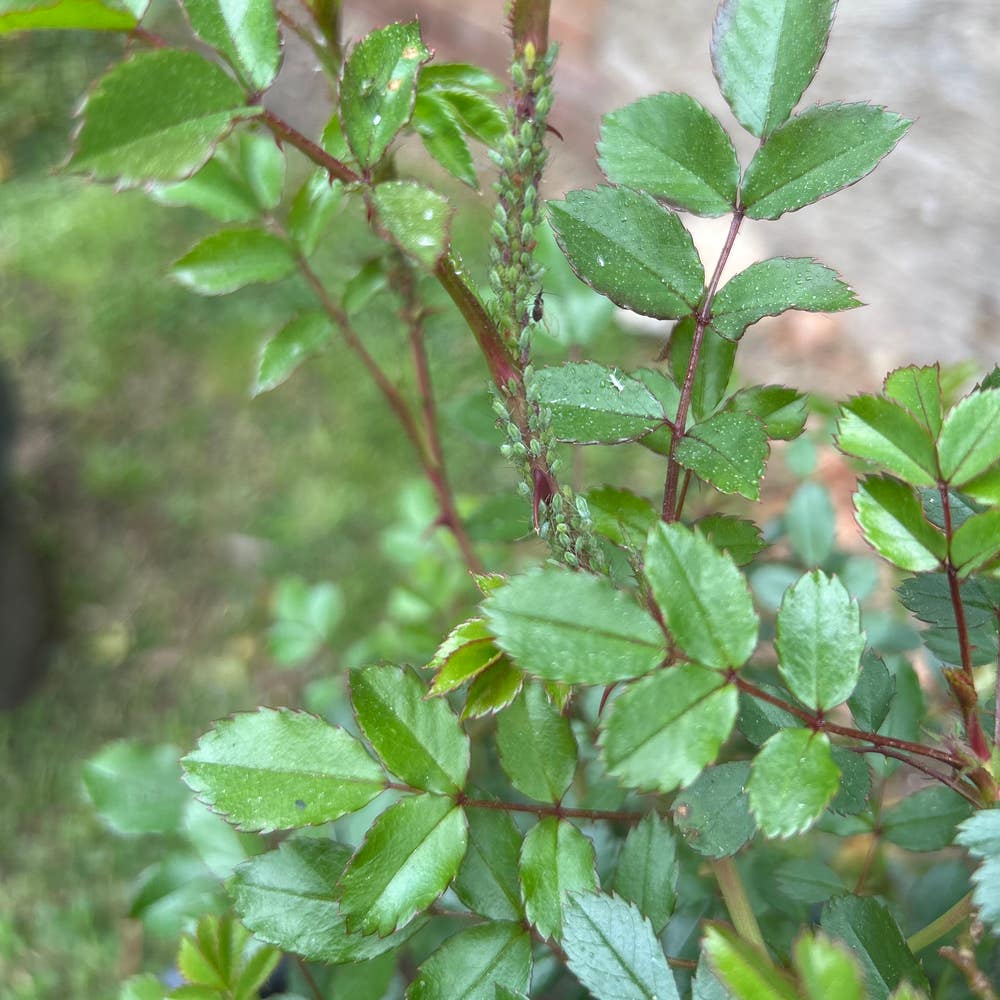
🌹 Why Rose Bush Is Not an Annual
Rosa spp.
By the Greg Editorial Team
Nov 25, 2024•7 min read
This article was created with the help of AI so we can cover more plants for you. May contain errors. See one? Report it here.
- 🌹 Rose bushes are perennials, thriving for decades with proper care and conditions.
- ❄️ Dormancy in winter is natural, conserving energy until vibrant spring growth returns.
- 🌼 Multiple flowering cycles throughout their lifespan offer continuous beauty unlike annuals.
Genetic and Physiological Characteristics
🌱 Genetic Traits of Rose Bushes
Rose bushes are classified as woody perennials, boasting a complex genetic makeup that contributes to their resilience. Under optimal conditions, these plants can thrive for decades, showcasing their impressive lifespan potential.
Their genetic adaptations allow them to endure seasonal changes, making them well-suited for various climates. This resilience is a key factor in their ability to survive and flourish year after year.
🧬 Physiological Traits
The structure of rose bushes features woody stems and extensive root systems that anchor them firmly in the ground. This robust architecture supports their growth and stability, enabling them to withstand environmental stresses.
During winter, rose bushes enter a state of dormancy, conserving energy until spring awakens them. This physiological response is crucial for their survival, allowing them to adapt to changing environmental conditions effectively.
Understanding these genetic and physiological traits is essential for appreciating why rose bushes are not annuals. Their long-term lifecycle and adaptability set them apart, paving the way for a deeper exploration of their growth patterns and reproductive strategies.
Lifecycle and Growth Patterns
Long-Term Lifecycle 🌱
Rose bushes follow a fascinating lifecycle that includes several distinct stages: germination, vegetative growth, flowering, and dormancy. This cyclical process allows them to thrive for a remarkable lifespan of 10 to 50 years, depending on the variety and care they receive.
During the growing season, rose bushes exhibit active growth in spring and summer, bursting with life and color. As winter approaches, they enter a period of dormancy, conserving energy and preparing for the next cycle.
Growth Patterns 🌼
The growth habit of rose bushes is characterized by their bushy structure, which can vary significantly in height and width. This diversity allows for creative landscaping options, making them a favorite among gardeners.
As seasons change, rose bushes display striking seasonal changes. In the fall, they shed their leaves, creating a serene landscape, only to regrow vibrantly in spring.
Their flowering cycles are equally impressive, with many varieties producing repeated blooms throughout the growing season. This continuous display of flowers not only enhances garden aesthetics but also attracts pollinators, enriching the garden ecosystem.
Understanding these lifecycle and growth patterns is crucial for gardeners. It helps in planning care routines and maximizing the beauty of rose bushes throughout the year.
As we delve deeper into the reproductive strategies of rose bushes, we'll explore how their unique flowering and seed production set them apart from annual plants.
Reproductive Strategies
🌸 Flowering and Seed Production
Rose bushes are known for their vibrant blooms, typically flowering from early spring to late fall. This extended blooming period allows for a continuous display of color, making them a favorite in gardens.
After flowering, rose bushes develop seed pods known as hips. These hips form as the flowers fade, containing seeds that can be harvested for propagation or left to mature naturally.
🌱 Differences from Annuals
Unlike annual plants, which complete their life cycle in a single season, rose bushes are perennials. They can produce multiple flowering cycles throughout their lifespan, showcasing their resilience and adaptability.
This distinction has significant implications for garden planning. While annuals may offer quick bursts of color, perennials like rose bushes provide long-term beauty and require different care strategies, making them a wise investment for any gardener.
Understanding these reproductive strategies can help you appreciate the unique role rose bushes play in your garden. As you plan your planting, consider how their longevity and flowering patterns can enhance your landscape throughout the seasons.
Misconceptions and Exceptions
🌡️ Conditions Affecting Classification
Rose bushes are often misclassified as annuals due to extreme environmental conditions. When faced with harsh cold or intense heat, these resilient plants may appear to die off, leading gardeners to mistakenly believe they are short-lived.
Improper care practices can also contribute to this misconception. For instance, failing to winterize rose bushes correctly can result in plant loss, reinforcing the idea that they are not perennial.
🤔 Common Misconceptions
A common misunderstanding revolves around the concept of dormancy. Many people confuse the natural dormancy of rose bushes with the lifecycle of annual plants, thinking that a lack of visible growth means the plant has died.
Additionally, beliefs about care can lead to misconceptions about their longevity. Overwatering or neglecting these plants can cause stress, making it seem like they are annuals when, in fact, they require specific care to thrive.
Understanding these nuances can help gardeners appreciate the true nature of rose bushes and their potential for long-term beauty in the garden. With the right knowledge, you can cultivate a thriving rose bush that will bloom for years to come.
As we delve deeper into the implications for gardeners, let's explore the benefits of planting these beautiful perennials.
Implications for Gardeners
🌹 Benefits of Planting
Choosing to plant rose bushes is a long-term investment that pays off in both beauty and cost-effectiveness. Unlike annuals, which require replanting each year, perennials like rose bushes thrive for decades, providing a stunning display season after season.
The aesthetic value of rose bushes is undeniable. They offer year-round structure and color, transforming any garden into a vibrant oasis. With their lush blooms and rich foliage, they create a dynamic landscape that evolves with the seasons.
🌼 Garden Design Strategies
Companion planting is a fantastic strategy for enhancing biodiversity in your garden. Pairing rose bushes with other perennials not only boosts visual appeal but also promotes healthier growth by attracting beneficial insects and deterring pests.
Planning for seasonal interest is crucial for a thriving garden. By selecting varieties that bloom at different times, you can ensure continuous color and life throughout the year. This thoughtful approach keeps your garden lively, making it a joy to behold in every season.
As you consider the implications of planting rose bushes, remember that their longevity and beauty can significantly enrich your gardening experience. With the right strategies in place, you can cultivate a garden that flourishes year after year.
Next, let’s explore how to maximize the longevity of your rose bushes through effective management techniques.
Maximizing Longevity
🌱 Management Tips
To ensure your rose bushes thrive for years, proper management is key. Here are some essential tips to keep your plants healthy and vibrant.
✂️ Pruning Techniques
Timing is crucial when it comes to pruning. Aim to prune your rose bushes in late winter or early spring, just before new growth begins.
Use sharp, clean tools to make precise cuts. Focus on removing dead or diseased wood and shaping the bush for better air circulation.
❄️ Seasonal Care Considerations
Preparing your rose bushes for winter is vital for their survival. Mulch around the base to insulate roots and protect them from freezing temperatures.
As spring approaches, clear away any debris and check for signs of new growth. This will help your roses awaken from dormancy and flourish.
🐛 Pest and Disease Management
Monitoring your rose bushes for pests and diseases is essential. Regularly inspect leaves and stems for any signs of trouble, such as discoloration or unusual spots.
Implement control methods promptly, whether through organic solutions or chemical treatments. Early intervention can save your plants from severe damage.
By following these management tips, you can maximize the longevity of your rose bushes, ensuring they remain a stunning focal point in your garden for years to come.
Next, let’s explore the benefits of planting rose bushes and how they can enhance your garden design.
⚠️ Safety First
This content is for general information and may contain errors, omissions, or outdated details. It is not medical, veterinary advice, or an endorsement of therapeutic claims.
Always consult a qualified healthcare professional before using any plant as food, medicine, or supplement.
Never eat any plant (or feed one to pets) without confirming its identity with at least two trusted sources.
If you suspect poisoning, call Poison Control (800) 222-1222, the Pet Poison Helpline (800) 213-6680, or your local emergency service immediately.
Spotted an error? Please report it here.
Unlock the timeless beauty of your rose bushes 🌹 with Greg's tailored care tips and reminders, ensuring they thrive and bloom vibrantly for decades to come!