Ultimate Guide to Fixing Dropping Leaves on Rose Bush 🌹
Rosa spp.
By the Greg Editorial Team
Nov 25, 2024•3 min read
This article was created with the help of AI so we can cover more plants for you. May contain errors. See one? Report it here.
- 🌹 Recognize symptoms like yellowing and wilting for timely intervention against leaf drop.
- 🌡️ Environmental factors such as temperature and humidity greatly affect rose health.
- 🐛 Inspect for pests and fungal infections to diagnose and treat leaf drop effectively.
Diagnosing Leaf Drop
Identifying Symptoms of Leaf Drop 🌿
Recognizing the symptoms of leaf drop is crucial for timely intervention. Look for visual signs such as leaf yellowing, wilting, and premature leaf fall, which can indicate underlying issues.
Timing is also essential. Note when leaf drop occurs, as seasonal patterns can provide clues about environmental stressors or care practices.
Assessing Environmental Conditions 🌤️
Environmental factors play a significant role in the health of your rose bushes. Start by measuring temperature and humidity levels, as extremes can lead to stress and leaf drop.
Next, evaluate sunlight exposure and shade patterns. Ensure your roses receive adequate sunlight, as too much shade can hinder their growth and vitality.
Checking for Pests and Diseases 🐛
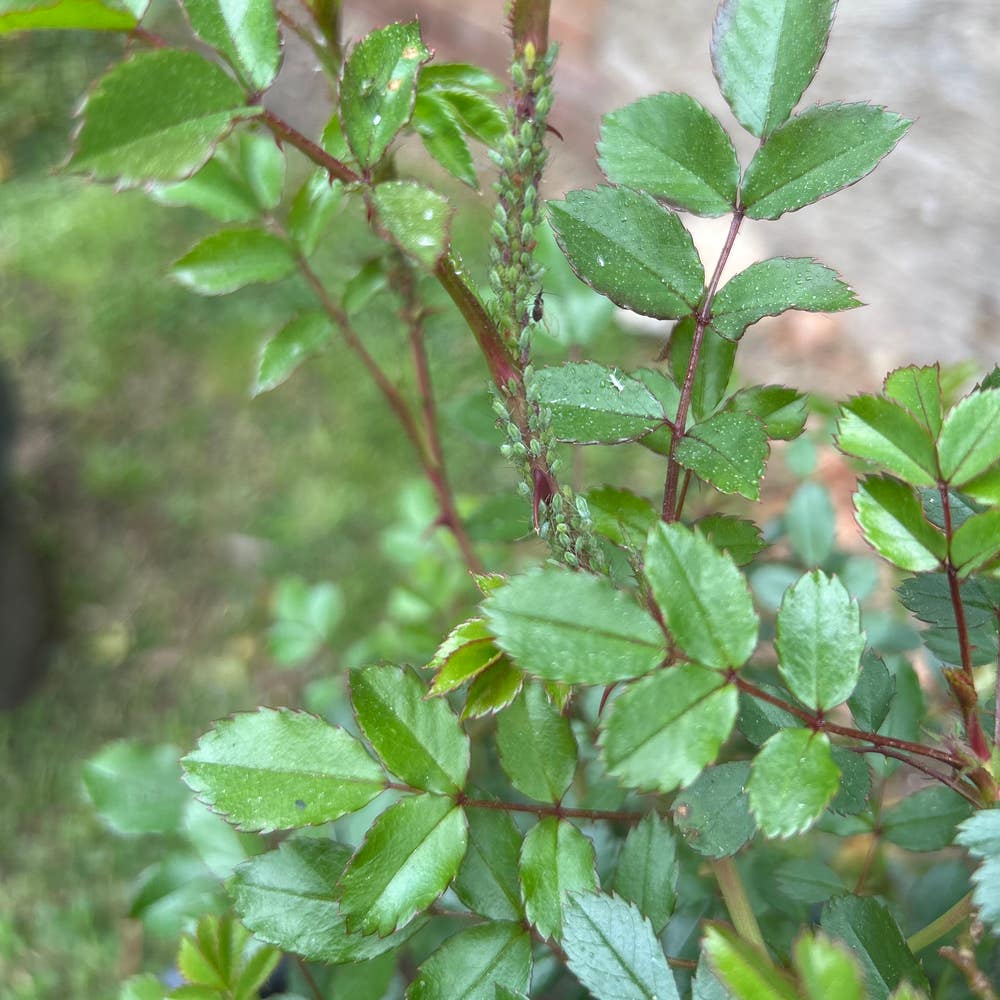
Pests and diseases can wreak havoc on your rose bushes. Conduct a thorough visual inspection to identify any pests, such as aphids or spider mites, which may be causing damage.
Additionally, be on the lookout for signs of fungal infections. Look for discolored spots on leaves or a powdery residue, which can indicate a fungal issue that needs addressing.
Soil Testing for Nutrient Levels 🧪
Healthy soil is the foundation of thriving roses. Consider using recommended soil testing kits to assess nutrient levels in your garden.
Once you have your soil test results, interpreting them is key. Look for nutrient deficiencies that could be contributing to leaf drop, and adjust your care routine accordingly.
By diagnosing these issues early, you can take proactive steps to restore your rose bushes to their former glory. Next, we’ll explore effective treatments to address these problems and promote healthy growth.
Treating Leaf Drop
🐛 Step-by-Step Guide to Treating Pests
Identifying the type of pest is crucial for effective treatment. Common culprits include aphids, spider mites, and whiteflies.
Once you’ve pinpointed the pest, apply insecticidal soap or neem oil. These treatments are effective and less harmful to beneficial insects.
After treatment, monitor your rose bushes closely. Follow-up treatments may be necessary to ensure pests are fully eradicated.
🍄 Recommended Fungicides for Fungal Infections
Fungal infections can wreak havoc on your roses. Understanding the difference between systemic and contact fungicides is essential.
- Systemic fungicides are absorbed by the plant, providing longer-lasting protection.
- Contact fungicides act on contact and may require more frequent applications.
Timing is key when applying fungicides. Treat at the first sign of infection and follow the manufacturer's instructions for best results.
💧 Adjusting Watering Practices
Improving drainage is vital for healthy rose bushes. Consider using raised beds or adding soil amendments to enhance drainage.
Watch for signs that indicate a need to adjust your watering frequency. Yellowing leaves or wilting can signal overwatering, while dry soil may indicate underwatering.
🌱 Nutrient Supplementation Methods
Nutrient deficiencies can contribute to leaf drop. Liquid fertilizers and granular options are both effective for supplementation.
Timing your applications is crucial. Fertilize during the growing season for optimal results, and follow the recommended methods for application.
🌹 Recovery Care for Affected Rose Bushes
Post-treatment monitoring is essential for recovery. Keep an eye on your roses to ensure they bounce back.
Implement rejuvenation practices like pruning and fertilization. These steps will help your rose bushes regain their vitality and flourish once again.
With these treatment strategies, your rose bushes can overcome leaf drop and thrive. Next, let’s explore how to diagnose leaf drop effectively.
⚠️ Safety First
This content is for general information and may contain errors, omissions, or outdated details. It is not medical, veterinary advice, or an endorsement of therapeutic claims.
Always consult a qualified healthcare professional before using any plant as food, medicine, or supplement.
Never eat any plant (or feed one to pets) without confirming its identity with at least two trusted sources.
If you suspect poisoning, call Poison Control (800) 222-1222, the Pet Poison Helpline (800) 213-6680, or your local emergency service immediately.
Spotted an error? Please report it here.
Recognizing leaf drop symptoms and environmental stressors is crucial for your rose bushes, and with Greg's tailored care reminders and pest identification tools, you'll ensure they stay vibrant and healthy 🌹 all season long!