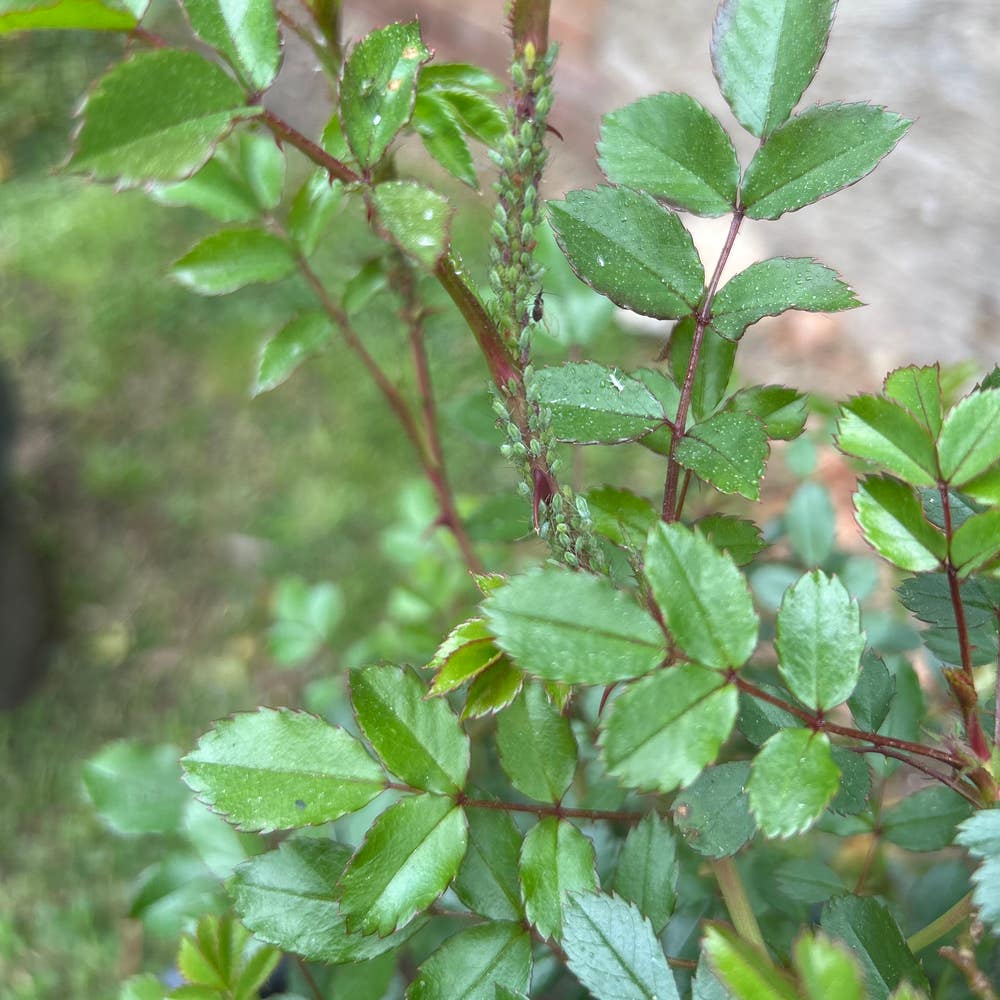
How and When to Cut Back Your Rose Bush 🌹
Rosa spp.
By the Greg Editorial Team
Nov 25, 2024•6 min read
This article was created with the help of AI so we can cover more plants for you. May contain errors. See one? Report it here.
- 🌹 Prune in early spring for optimal rose growth and blooming potential.
- ✂️ Use proper techniques like heading back and thinning for healthier roses.
- 🛠️ Essential tools include shears and loppers; sharp tools prevent disease.
Pruning Techniques for Rose Bushes
🌿 Types of Pruning Cuts
Heading Back
Heading back involves cutting stems to a bud, which encourages bushier growth and more blooms. This technique is essential for maintaining a vibrant and full rose bush.
Thinning
Thinning means removing entire stems at their base. This technique improves air circulation and light penetration, promoting healthier plants and reducing disease risk.
Rejuvenation Pruning
Rejuvenation pruning is the process of cutting back older, woody stems to stimulate new growth. This method refreshes the plant and encourages vigorous growth, ensuring your roses remain robust and lively.
🛠️ Tools Needed for Pruning
Pruning Shears
Pruning shears are vital for any rose gardener. Bypass shears are preferred for clean cuts, while anvil shears can crush stems, so choose wisely and keep those blades sharp for healthy cuts.
Loppers
Loppers come into play for thicker stems that are too robust for shears. They provide the leverage needed to tackle those tougher branches without straining yourself.
Saw
For very thick or old stems, a saw is your best bet. It allows you to make clean cuts without damaging the surrounding plant.
Additional Tools
Don’t forget gloves for protection against thorns and a disinfectant for your tools. Keeping your tools clean helps prevent the spread of disease, ensuring your garden stays healthy.
With the right techniques and tools, you can keep your rose bushes thriving. Next, let’s explore the best timing for pruning to maximize your efforts.
Timing for Pruning Rose Bushes
🌱 Best Seasons for Pruning
Pruning your rose bushes at the right time is crucial for their health and blooming potential. Early spring is the ideal season, just before new growth begins. Look for signs like swelling buds and ensure there's no risk of frost.
In fall, consider light pruning to prepare your roses for winter. However, avoid heavy pruning during this season, as it can stimulate new growth that won't survive the cold.
✂️ Signs That It's Time to Prune
Recognizing when to prune is key to maintaining vibrant roses. One major sign is dormancy; when leaves have fallen and stems are bare, your roses are ready for a trim.
Another indicator is new growth. If you see fresh buds forming, it’s a clear signal that it’s time to get those shears out and start pruning.
With the right timing and attention to these signs, your rose bushes will thrive and reward you with beautiful blooms. Next, let’s explore the importance of deadheading for plant health.
Deadheading Roses
Importance of Deadheading for Plant Health 🌹
Deadheading is crucial for maintaining the health of your rose bushes. It encourages continuous blooming by preventing the plant from diverting energy into seed production.
Additionally, regularly deadheading improves the overall appearance of your roses, keeping them looking fresh and vibrant throughout the growing season.
Step-by-Step Instructions for Deadheading ✂️
- Identify spent blooms: Look for wilted or faded flowers that have lost their charm.
- Use clean pruning shears: Cut just above the first set of healthy leaves to promote new growth.
- Dispose of dead flowers: This helps prevent disease and keeps your garden tidy.
- Frequency: Make it a habit to deadhead regularly throughout the blooming season for the best results.
By following these simple steps, you can ensure your roses remain healthy and continue to bloom beautifully.
As you embrace the art of deadheading, you'll find that your rose bushes respond with vibrant flowers, enhancing your garden's beauty. Next, let’s explore the specific pruning guidelines for different rose species to maximize their growth potential.
Species-Specific Pruning Guidelines
🌹 Pruning Hybrid Tea Roses
Timing is crucial for hybrid tea roses. Aim to prune them in early spring, just after the last frost has passed.
To start, remove any dead or damaged wood. This helps the plant focus its energy on healthy growth. Next, cut back the stems to 3-5 healthy buds. This encourages robust blooming and maintains the rose's shape.
🌿 Pruning Climbing Roses
Climbing roses require a slightly different approach. The best time to prune them is from late winter to early spring.
When pruning, train the canes horizontally. This technique promotes better blooming by maximizing sunlight exposure. Additionally, remove old wood and thin out crowded areas to enhance air circulation and overall plant health.
🌸 Pruning Floribunda Roses
Floribunda roses thrive with regular pruning, ideally done in early spring.
Cut back each stem to 3-4 buds. This method not only encourages new growth but also helps maintain a balanced shape. Keeping the bush well-shaped ensures a stunning display of blooms throughout the season.
With these species-specific guidelines, you'll be well-equipped to nurture your rose bushes effectively. Next, let’s explore common pruning mistakes to avoid for optimal rose health.
Common Pruning Mistakes
🌿 Over-Pruning and Its Effects
Over-pruning can be a gardener's worst nightmare. It weakens the plant and significantly reduces flowering, leaving you with a lackluster rose bush.
Signs of over-pruning include sparse foliage and stunted growth. If your roses look more like sticks than blooming beauties, it’s time to reassess your pruning strategy.
🔧 Not Using the Right Tools
Using the wrong tools can lead to ragged cuts that invite disease. This can compromise the health of your rose bush and hinder its growth.
Regular maintenance of your tools is crucial. Keep your pruning shears sharp and clean to ensure healthy cuts and promote vigorous growth.
By avoiding these common mistakes, you can help your rose bushes thrive and produce stunning blooms. Now that you’re aware of what to avoid, let’s explore how to care for your roses after pruning.
Post-Pruning Care
🌹 How to Care for Roses After Pruning
After pruning your rose bushes, proper care is essential for their recovery and growth. Start by ensuring consistent moisture; water your roses regularly but avoid waterlogging, which can lead to root rot.
Mulching is another key step. Apply a layer of mulch around the base of the plants to help retain moisture and suppress weeds, creating a healthier environment for your roses.
🌱 Fertilization and Watering Tips Post-Pruning
Fertilization plays a crucial role in the health of your rose bushes. Use a balanced fertilizer about 4-6 weeks after pruning to give your plants the nutrients they need to thrive.
During the growing season, maintain a regular watering schedule. Adjust your watering frequency based on rainfall to ensure your roses receive adequate moisture without becoming overly saturated.
With these post-pruning care tips, your roses will be well on their way to flourishing. Next, let’s explore species-specific pruning guidelines to tailor your approach for different types of roses.
⚠️ Safety First
This content is for general information and may contain errors, omissions, or outdated details. It is not medical, veterinary advice, or an endorsement of therapeutic claims.
Always consult a qualified healthcare professional before using any plant as food, medicine, or supplement.
Never eat any plant (or feed one to pets) without confirming its identity with at least two trusted sources.
If you suspect poisoning, call Poison Control (800) 222-1222, the Pet Poison Helpline (800) 213-6680, or your local emergency service immediately.
Spotted an error? Please report it here.
Transform your rose bushes into a blooming paradise 🌹 with Greg's tailored pruning reminders and expert tips that ensure you prune at the perfect time for vibrant growth!