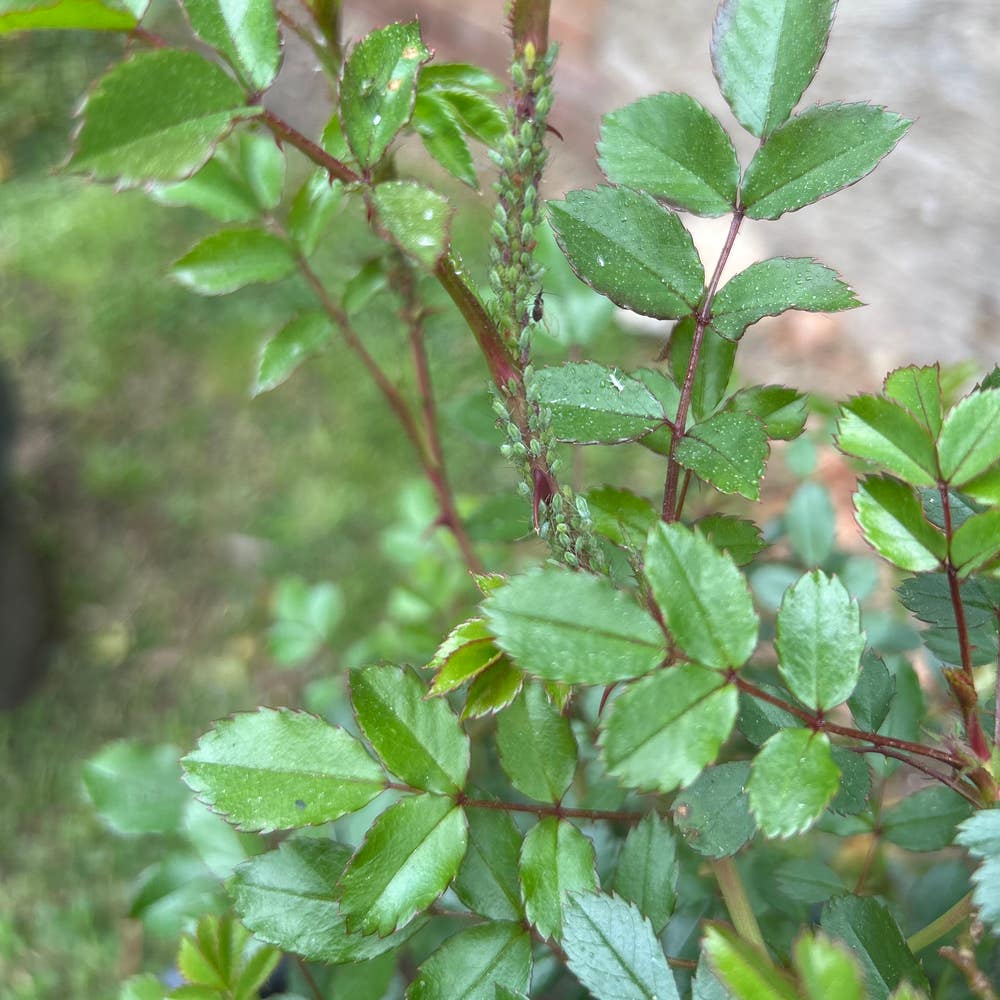
🌹 Best Tips for Dealing with Brown Spots on Rose Bush
Rosa spp.
By the Greg Editorial Team
Nov 25, 2024•6 min read
This article was created with the help of AI so we can cover more plants for you. May contain errors. See one? Report it here.
- 🌱 Brown spots on roses arise from diseases, pests, and poor care.
- 🌧️ Prevent brown spots by ensuring proper drainage and sunlight exposure.
- 🧪 Treat effectively with fungicides or organic solutions like neem oil.
Causes of Brown Spots
🦠 Common Diseases
Black Spot Fungus
Black spot fungus is a notorious foe for rose bushes. It manifests as circular black spots with fringed edges on leaves, particularly thriving in humid environments with poor air circulation.
Powdery Mildew
Another common issue is powdery mildew, which appears as a white powdery coating on leaves. This condition often leads to brown spots and typically occurs in warm, dry weather combined with high humidity.
Other Fungal Infections
Beyond black spot and powdery mildew, several lesser-known fungal diseases can also cause brown spots. These infections can significantly impact the health and growth of your rose bushes, leading to weakened plants and reduced flowering.
🌧️ Environmental Factors
Overwatering
Overwatering is a common mistake that leads to waterlogged soil, which can cause root rot. This condition weakens the plant and creates an environment conducive to fungal growth.
Poor Drainage
Well-drained soil is crucial for healthy rose bushes. Signs of drainage issues include soggy soil and standing water, both of which can lead to serious health problems for your plants.
Insufficient Sunlight
Sunlight plays a vital role in preventing fungal diseases. Rose bushes should receive at least 6-8 hours of sunlight daily to thrive and stay healthy.
🐛 Pest Infestations
Common Pests
Pests like aphids and spider mites can also contribute to brown spots on rose leaves. Aphids cause curled leaves and leave behind a sticky residue, while spider mites create stippled leaves and webbing.
Impact of Pests
These pests not only damage leaf health but can also create conditions that lead to brown spots. Keeping an eye on your plants for these signs is essential for maintaining their overall health.
Understanding these causes is the first step in effectively managing brown spots on your rose bushes. Next, we’ll explore how to diagnose these issues accurately.
Diagnosing Brown Spots
🕵️♂️ Identifying Symptoms
Diagnosing brown spots on your rose bushes starts with keen observation. Look for specific visual cues: black spot fungus manifests as circular black spots with fringed edges, while powdery mildew appears as a white, powdery coating that can lead to browning leaves.
Regular leaf inspection is crucial for early detection. Catching these symptoms early can save your roses from severe damage and help maintain their vibrant health.
🔍 Differentiating Issues
Understanding the differences between various issues is essential for effective treatment. Fungal infections typically present distinct characteristics, such as the aforementioned black spots and powdery coatings, while bacterial infections may cause leaf spots that are often water-soaked and irregular.
Pest damage can also mimic disease symptoms. For instance, aphids can cause curled leaves, while spider mites create stippled leaves and webbing. Using tools like a magnifying glass or plant health apps can aid in accurate diagnosis, ensuring you tackle the right problem.
Identifying the root cause of brown spots is key to restoring your rose bushes to their former glory. With the right knowledge and tools, you can effectively manage and prevent these pesky issues.
Next, let's explore treatment options to combat these brown spots and keep your roses thriving.
Treatment Options
💊 Chemical Treatments
When dealing with brown spots on your rose bushes, chemical treatments can be effective. Recommended fungicides for black spot fungus and powdery mildew include those containing chlorothalonil or myclobutanil.
For optimal results, follow application guidelines closely. This includes adhering to the recommended frequency, dosage, and timing to ensure your roses receive the best protection.
In addition to fungicides, consider using pesticides to control pest infestations. Look for products specifically designed for roses, such as those containing pyrethrin or insecticidal soap, to effectively combat common pests.
🌱 Organic Methods
If you prefer a more natural approach, organic methods can also be beneficial. Natural fungicides like neem oil and baking soda solutions are excellent alternatives that help maintain rose bush health without harsh chemicals.
These organic treatments not only combat diseases but also promote a healthier ecosystem in your garden. They can be gentler on beneficial insects and the environment, making them a great choice for eco-conscious gardeners.
🏡 Home Remedies
For those who enjoy DIY solutions, there are several home remedies you can try. One popular method is using a milk spray to treat powdery mildew, which can be surprisingly effective.
While home remedies can be a cost-effective option, it's essential to understand their limitations. They may not always provide the same level of protection as commercial treatments, but they can be a good first step in managing brown spots on your roses.
As you explore these treatment options, remember that prevention is just as crucial. Up next, we’ll discuss best practices for preventing brown spots from appearing in the first place.
Preventing Brown Spots
💧 Best Practices for Watering and Drainage
Watering your rose bushes correctly is crucial to prevent brown spots. Aim to water deeply but infrequently, allowing the soil to dry out between sessions.
Overwatering can lead to waterlogged soil, which promotes root rot and fungal diseases. Ensure your soil has good drainage; consider adding organic matter like compost to improve its structure.
🌬️ Importance of Air Circulation and Sunlight
Good air circulation is vital for rose health. Space your plants adequately to allow air to flow freely, reducing humidity around the leaves.
Sunlight is equally important. Position your roses to receive at least 6-8 hours of direct sunlight daily, which helps prevent fungal infections and promotes vigorous growth.
✂️ Regular Maintenance and Pruning Techniques
Regular maintenance is key to keeping your roses healthy. Prune your bushes to remove dead or diseased wood, which can harbor pests and diseases.
Don't forget to clear away fallen leaves and debris around your plants. This simple step can significantly reduce the risk of disease and keep your garden looking tidy.
By following these preventive measures, you can enjoy vibrant, healthy roses while minimizing the risk of brown spots. Next, let's explore seasonal care tips to keep your roses thriving throughout the year.
Seasonal Care
🌸 Spring Care Tips
Spring is the perfect time to set your rose bushes up for success. Start by applying fungicides as a preemptive measure to ward off diseases before they can take hold.
Fertilization is equally important during this season. Use a balanced fertilizer to promote healthy growth and vibrant blooms throughout the year.
☀️ Summer Monitoring
As summer rolls in, keep a close eye on your roses. Regular inspections are crucial for spotting early signs of brown spots, allowing for timely intervention.
Adjust your care practices based on the weather conditions. Increased humidity or heat may require more frequent watering or additional fungicide applications.
🍂 Fall Preparation
As the growing season winds down, focus on cleaning up your garden. Remove fallen leaves and debris to prevent overwintering diseases that could affect your roses in the spring.
Finally, apply any necessary treatments before dormancy. This step helps protect your plants from diseases during the colder months, ensuring they emerge healthy and strong when spring arrives.
With these seasonal care tips, you can maintain the health of your rose bushes and enjoy their beauty year-round. Next, let’s explore the best practices for preventing brown spots on your roses.
⚠️ Safety First
This content is for general information and may contain errors, omissions, or outdated details. It is not medical, veterinary advice, or an endorsement of therapeutic claims.
Always consult a qualified healthcare professional before using any plant as food, medicine, or supplement.
Never eat any plant (or feed one to pets) without confirming its identity with at least two trusted sources.
If you suspect poisoning, call Poison Control (800) 222-1222, the Pet Poison Helpline (800) 213-6680, or your local emergency service immediately.
Spotted an error? Please report it here.
Transform your rose bushes into stunning displays 🌹 with Greg's personalized care tips and reminders, ensuring you tackle brown spots effectively and enjoy vibrant blooms all season long!