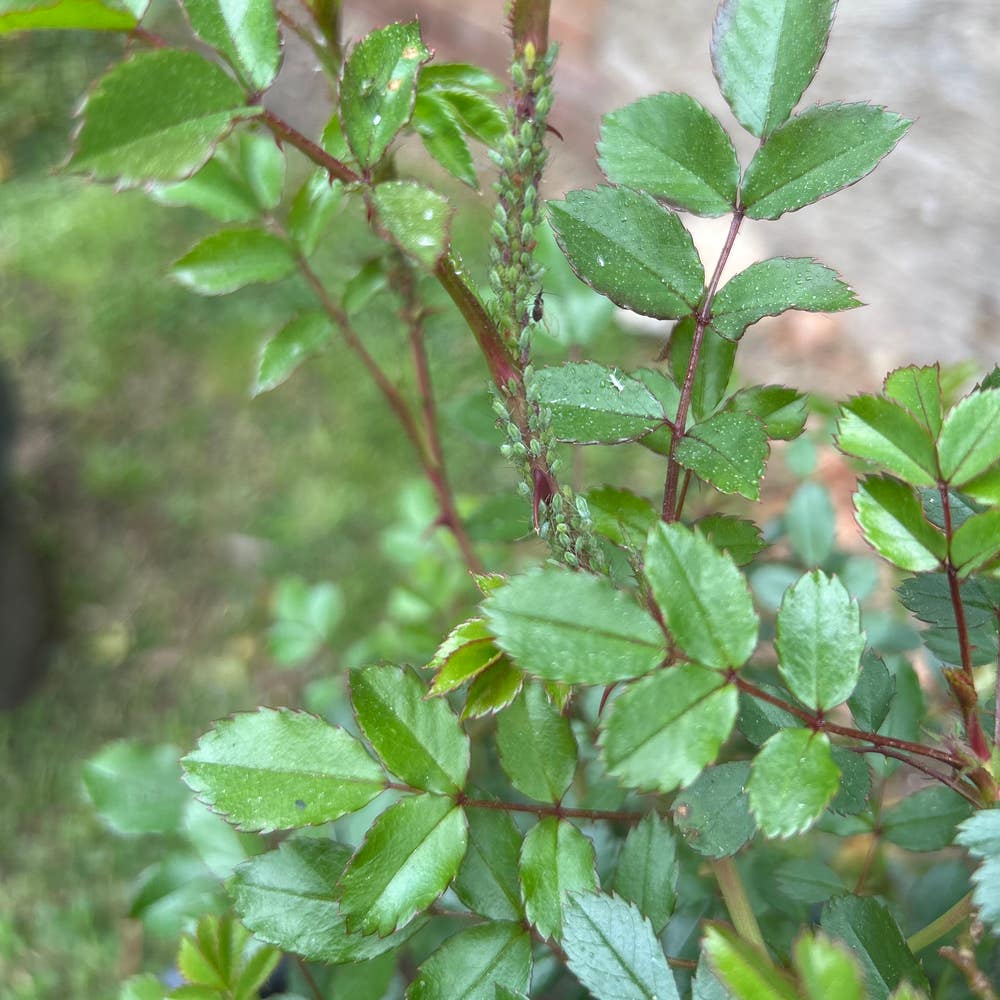
🌹 Rose Bush Height and Width Guide
Rosa spp.
By the Greg Editorial Team
Nov 25, 2024•6 min read
This article was created with the help of AI so we can cover more plants for you. May contain errors. See one? Report it here.
- 🌹 Standard roses grow 2-5 feet tall, while dwarf varieties reach up to 1 foot.
- 🌞 Roses need 6-8 hours of sunlight daily for optimal growth and health.
- ✂️ Pruning in early spring encourages new growth and maintains desired size.
Mature Height and Width of Common Rose Varieties
🌹 Standard Varieties
Standard rose varieties typically reach a height of 2 to 5 feet and spread out to about 2 to 4 feet wide. Popular examples include hybrid tea roses and floribunda roses, which are favored for their stunning blooms and robust growth.
🌼 Dwarf Varieties
Dwarf varieties are perfect for those with limited space. These compact beauties grow up to 1 foot tall and 1 to 2 feet wide, making them ideal for small gardens or containers. Miniature roses and patio roses are excellent examples of this category.
🌳 Giant Varieties
On the other end of the spectrum, giant varieties can soar over 10 feet in height and spread 4 to 6 feet wide. Their vigorous growth makes them a striking choice for vertical gardening; climbing roses and rambling roses exemplify this impressive size.
🌱 Hybrid Sizes
Hybrid roses showcase a diverse range of sizes, influenced by their breeding and growth habits. This variability allows gardeners to select roses that best fit their landscape needs, whether they prefer compact blooms or towering displays.
Understanding these dimensions can help you choose the right rose for your garden, ensuring a beautiful and harmonious landscape. Next, let’s explore the growth rate of these stunning plants and what factors influence their development.
Growth Rate of Rose Bushes
🌱 Factors Influencing Growth Rate
The growth rate of rose bushes hinges on several key factors. Soil quality plays a crucial role; nutrient-rich soils can significantly enhance growth speed.
Sunlight exposure is another vital element. Roses thrive in full sun, ideally receiving 6 to 8 hours of direct sunlight daily, which boosts their growth potential.
Water availability is equally important. Consistent moisture ensures optimal growth, while fluctuations can hinder development.
📈 Average Growth Rates
Understanding the average growth rates of different rose varieties can help you set realistic expectations.
- Fast-growing varieties can reach heights of 12 to 24 inches per year.
- Moderate-growing varieties typically grow between 6 to 12 inches annually.
- Slow-growing varieties may only add less than 6 inches each year.
⏳ Timeframe to Reach Full Size
The timeframe for rose bushes to reach their full size varies by type. Most varieties generally take about 2 to 3 years to mature fully.
Dwarf varieties are quicker, often reaching their full size in just 1 to 2 years. In contrast, giant varieties may take longer due to their vigorous growth habits.
Understanding these growth dynamics can help you cultivate a thriving rose garden. Next, we’ll explore the size variability among different rose species and cultivars, shedding light on how growth habits influence your landscape design.
Size Variability Among Different Rose Species and Cultivars
🌱 Growth Habits
Rose bushes exhibit a variety of growth habits that significantly influence their size and suitability for different landscapes. You’ll find bushy varieties that create dense, lush foliage, upright types that stand tall and proud, and trailing roses that gracefully cascade over structures or borders.
Understanding these growth habits is crucial for effective landscape design. For instance, bushy roses can serve as vibrant hedges, while upright varieties make striking focal points. Trailing roses, on the other hand, can soften hard edges and add a romantic touch to garden walls or trellises.
🌳 Impact on Overall Size and Landscape Design
The growth habit of a rose not only determines its size but also its role in your garden. Bushy roses typically reach a moderate height and width, making them perfect for filling in gaps or creating privacy screens. Upright varieties can tower over other plants, adding vertical interest and drawing the eye upward.
Trailing roses can transform a garden space by softening hard lines and creating a sense of flow. When planning your garden, consider how each rose's growth habit will complement other plants and structures, ensuring a harmonious and visually appealing design.
As you explore the diverse world of roses, keep in mind how these growth habits can enhance your garden's beauty and functionality. Next, we’ll delve into the factors affecting the size of your rose bushes, ensuring you have all the tools to cultivate your ideal garden.
Factors Affecting Size
🌱 Soil Quality
The foundation of any healthy rose bush starts with soil. Well-draining, nutrient-rich soil is crucial for robust growth and vibrant blooms.
To enhance soil quality, consider adding organic matter like compost or well-rotted manure. These amendments improve drainage and provide essential nutrients, setting the stage for your roses to thrive.
☀️ Sunlight Exposure
Roses flourish in full sun, ideally receiving 6 to 8 hours of direct sunlight daily. This exposure not only boosts growth but also enhances flowering.
Conversely, inadequate sunlight can stunt growth and lead to leggy plants. If your roses are shaded, they may struggle to reach their full potential.
💧 Water Availability
Consistent watering is vital for rose health. Roses prefer evenly moist soil, so aim for regular watering, especially during dry spells.
However, be cautious of overwatering. Signs such as yellowing leaves or wilting can indicate too much moisture, which can hinder growth and lead to root rot.
🌼 Role of Fertilization
Fertilization plays a key role in promoting growth and flowering. Regular feeding with the right nutrients can significantly enhance your roses' size and health.
You can choose between slow-release fertilizers, which provide a steady nutrient supply, or liquid fertilizers for quick absorption. Both have their benefits, so consider your garden's specific needs when selecting a fertilizer.
Understanding these factors will help you create the ideal environment for your roses. With the right care, your rose bushes can reach their full size and beauty, setting the stage for the next topic on pruning and size control.
Pruning and Size Control
✂️ Techniques for Controlling Height and Width
Pruning is essential for managing the height and width of rose bushes. Key methods include thinning, shaping, and deadheading.
- Thinning removes excess stems to improve air circulation and light penetration.
- Shaping involves cutting back branches to create a desired form.
- Deadheading encourages more blooms by removing spent flowers.
To effectively prune, use sharp, clean tools like bypass pruners or loppers. This ensures clean cuts that promote healthy growth.
📅 Best Practices for Seasonal Pruning
Timing is crucial for successful pruning. For most rose varieties, early spring or late winter is the ideal time to prune.
- Early spring allows you to assess winter damage and encourages new growth.
- Annual pruning is recommended to maintain the desired size and shape of your roses.
Regular pruning not only keeps your roses looking their best but also enhances their overall health.
🌱 How Pruning Affects Growth Rate and Dimensions
Pruning stimulates new growth, leading to a bushier and more robust plant. By cutting back stems, you encourage the development of lateral buds, which can result in more flowers.
Additionally, proper pruning can significantly impact flowering and overall plant health. Healthy, well-pruned roses are more resilient to pests and diseases, ensuring a vibrant garden.
As you embrace these pruning techniques, you’ll find that your rose bushes thrive, offering a stunning display of blooms. Next, let’s explore the various factors that affect the size of your rose bushes.
⚠️ Safety First
This content is for general information and may contain errors, omissions, or outdated details. It is not medical, veterinary advice, or an endorsement of therapeutic claims.
Always consult a qualified healthcare professional before using any plant as food, medicine, or supplement.
Never eat any plant (or feed one to pets) without confirming its identity with at least two trusted sources.
If you suspect poisoning, call Poison Control (800) 222-1222, the Pet Poison Helpline (800) 213-6680, or your local emergency service immediately.
Spotted an error? Please report it here.
Transform your garden into a blooming paradise 🌹 by using Greg's tailored care tips and watering reminders to help your rose bushes thrive in their perfect spots!