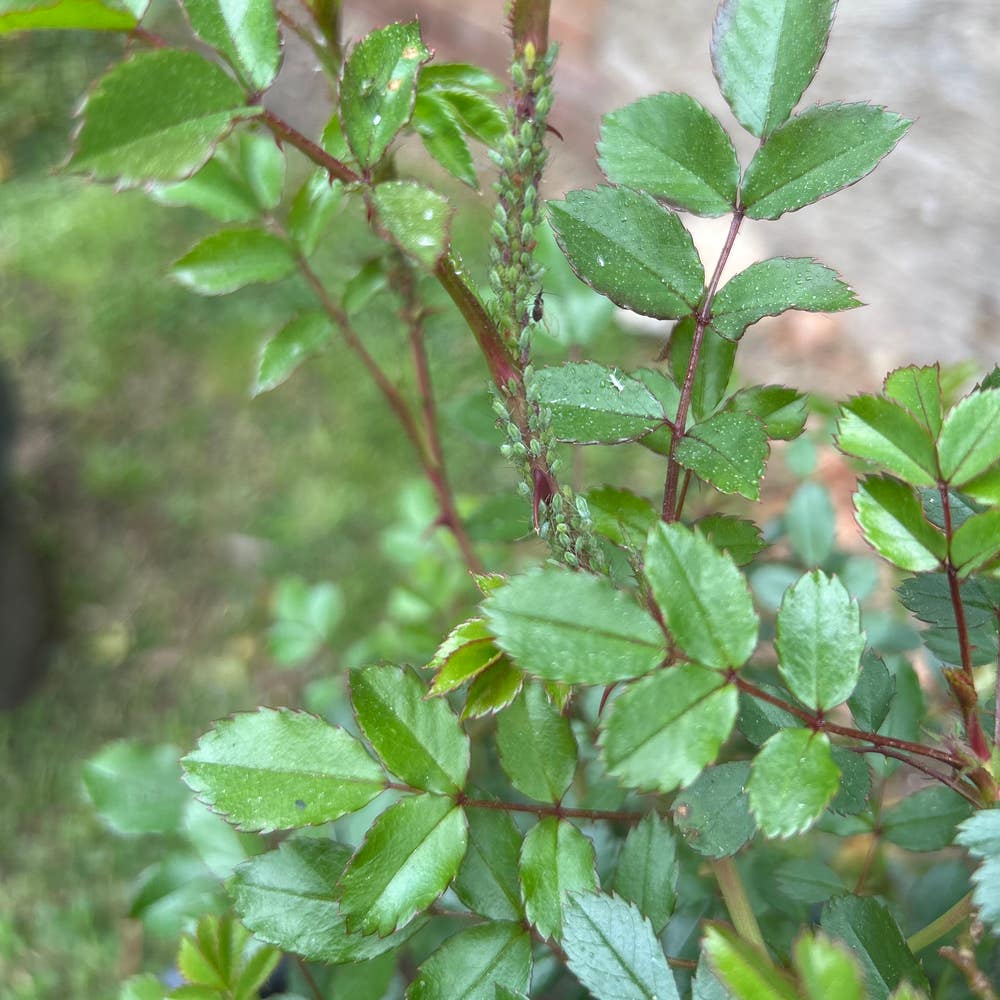
The #1 Top Companion Plant for Rose Bush ❤️
Rosa spp.
By the Greg Editorial Team
Nov 25, 2024•5 min read
This article was created with the help of AI so we can cover more plants for you. May contain errors. See one? Report it here.
- 🌸 Lavender and marigolds attract pollinators while repelling pests from rose bushes.
- 🌱 Chives thrive alongside roses, attracting beneficial insects and deterring aphids.
- 🎨 Companion plants enhance beauty and biodiversity, creating a stunning rose garden.
Best Companion Plants for Rose Bush
🌼 Top Companion Plants
Lavender
Lavender is a fantastic companion for rose bushes. It attracts pollinators while repelling pests like aphids and moths, making it a win-win for your garden.
Marigold
Marigolds are not just pretty; they serve a purpose too. They deter nematodes and aphids, enhancing the visual appeal of your rose garden with their vibrant colors.
Chives
Chives are another excellent choice. They attract beneficial insects and repel aphids, thriving in the same well-drained soil and light conditions as roses.
Other Flowering Companions
Consider adding other flowering plants like Salvia, Echinacea, and Coreopsis. These companions provide color contrast and attract pollinators, enriching the biodiversity of your garden.
📅 Seasonal Considerations for Companion Planting with Roses
Timing is crucial when planting companions with roses. The best times are early spring or fall, ensuring optimal growth and health.
Adjust your planting based on the blooming cycles of your companion plants. This strategy ensures continuous visual appeal throughout the seasons, keeping your garden lively and vibrant.
With the right companions, your rose bushes will not only thrive but also create a stunning visual display. Next, let's explore which plants to avoid near your roses to maintain their health and beauty.
Plants to Avoid Near Rose Bush
🚫 List of Detrimental Plants
When planning your rose garden, it's crucial to know which plants to steer clear of. Certain vegetables, like potatoes and tomatoes, can be problematic, as well as flowering plants such as peonies and specific types of daisies.
⚠️ Explanation of Detrimental Effects
These plants can compete with your roses for essential nutrients, stunting their growth. Additionally, some may attract pests like aphids and beetles, which can wreak havoc on your beloved rose bushes.
Avoiding these detrimental plants will help ensure your roses thrive, allowing you to enjoy their beauty without the worry of competition or pest issues. Next, let’s explore effective pest management strategies to keep your garden healthy and vibrant.
Pest Management Strategies
🌼 Specific Pests Deterred by Companion Plants
Companion planting is a powerful strategy for managing pests in your rose garden. For instance, marigolds and chives are known to effectively repel aphids, which can be a significant threat to rose bushes.
Additionally, lavender plays a crucial role in deterring spider mites. By incorporating these plants, you can create a more resilient garden ecosystem.
🌿 Examples of Companion Plants with Pest-Repelling Properties
Marigolds are not just pretty flowers; they are effective against nematodes and aphids, making them a must-have in any rose garden. Their vibrant blooms add a splash of color while providing essential pest control.
Chives, on the other hand, are dual-purpose plants. They repel aphids and attract beneficial insects, creating a balanced environment that supports your roses' health.
By strategically choosing companion plants, you can enhance your rose garden's beauty while keeping pests at bay. This approach not only protects your roses but also fosters a thriving garden ecosystem.
As you consider your planting options, think about how these pest-repelling companions can work in harmony with your roses. This will lead to a more vibrant and resilient garden overall.
Visual Appeal and Aesthetic Considerations
🌹 Enhancing Visual Appeal of Rose Gardens
Companion plants play a crucial role in elevating the beauty of rose gardens. They not only add layers of color but also create texture, making the garden more visually engaging.
Color and texture contrast are essential in garden design. By mixing different plants, you can create a dynamic landscape that draws the eye and enhances the overall aesthetic.
🎨 Suggestions for Color Combinations and Plant Arrangements
For a striking visual impact, consider pairing vibrant marigolds with deep red roses. This combination creates a bold statement that can energize any garden space.
Alternatively, using lavender alongside white or pale pink roses offers a soft, harmonious look. This pairing brings a sense of tranquility and elegance, perfect for creating a serene garden atmosphere.
By thoughtfully selecting companion plants, you can transform your rose garden into a stunning visual masterpiece. This not only enhances your enjoyment but also attracts pollinators, contributing to a thriving ecosystem.
As you explore these aesthetic possibilities, remember that the right combinations can lead to a more vibrant and inviting garden. Next, let’s delve into the symbiotic relationships that can further benefit your rose bushes and their companions.
Symbiotic Relationships in the Garden
🌱 Explanation of Symbiotic Relationships
Roses and their companion plants create a mutually beneficial environment. This relationship enhances growth, as companion plants can provide essential nutrients and support for the roses.
🌼 Benefits of Fostering Symbiotic Relationships
One significant advantage is improved soil health. Diverse root systems from various plants contribute to a richer soil structure, promoting better drainage and nutrient availability.
Additionally, these relationships bolster resilience against pests and diseases. By attracting beneficial insects and repelling harmful ones, companion plants help keep rose bushes healthier and more vibrant.
Incorporating companion plants not only supports your roses but also creates a thriving ecosystem in your garden. This interconnectedness fosters a more sustainable and beautiful growing environment.
As you explore companion planting, consider how these relationships can transform your garden into a flourishing paradise. Next, let's delve into the plants you should avoid near your rose bushes to maintain their health and vitality.
⚠️ Safety First
This content is for general information and may contain errors, omissions, or outdated details. It is not medical, veterinary advice, or an endorsement of therapeutic claims.
Always consult a qualified healthcare professional before using any plant as food, medicine, or supplement.
Never eat any plant (or feed one to pets) without confirming its identity with at least two trusted sources.
If you suspect poisoning, call Poison Control (800) 222-1222, the Pet Poison Helpline (800) 213-6680, or your local emergency service immediately.
Spotted an error? Please report it here.
Transform your rose garden into a vibrant paradise 🌹 with companion plants like lavender and marigolds, and let Greg guide you with tailored care tips for a flourishing ecosystem!