How to Fix Droopy Leaves on Your Rose Bush 🌹
Rosa spp.
By the Greg Editorial Team
Nov 25, 2024•7 min read
This article was created with the help of AI so we can cover more plants for you. May contain errors. See one? Report it here.
- 🌧️💧 Droopy leaves result from overwatering or underwatering; adjust your watering practices.
- 🌱 Nutrient deficiencies in nitrogen, potassium, and magnesium cause droopy foliage; fertilize regularly.
- 🌬️🌞 Environmental stressors like heat and wind impact rose health; provide adequate protection.
Causes of Droopy Leaves
💧 Overwatering and Underwatering
Droopy leaves on your rose bush can often be traced back to watering issues. Overwatering typically manifests as yellowing leaves, soggy soil, and root rot, while underwatering shows up as wilting leaves, dry soil, and crispy leaf edges.
Maintaining balanced soil moisture is crucial for rose bush care. Aim for a consistent watering routine that keeps the soil moist but not waterlogged.
🥦 Nutrient Deficiencies
Nutrient deficiencies can also lead to droopy leaves. Common culprits include nitrogen, potassium, and magnesium.
Symptoms of these deficiencies often present as yellowing leaves, stunted growth, and drooping foliage. Balanced fertilization plays a vital role in preventing these issues and ensuring your roses thrive.
🌪️ Environmental Stress
Environmental factors can significantly impact the health of your rose bush.
☀️ Heat Stress
During peak sun hours, heat stress can cause wilting leaves, leaf scorch, and drooping. To combat this, provide shade during extreme heat and use mulch to help retain soil moisture.
❄️ Cold Stress
On the flip side, cold stress can lead to drooping leaves, blackened tips, and leaf drop. Covering your plants during frost and selecting cold-hardy varieties can help mitigate these effects.
🌬️ Wind Stress
Wind stress can result in torn leaves and drooping due to physical damage. Implementing windbreaks or staking your plants for support can protect them from harsh winds.
🐛 Pest Infestations
Pests are another common cause of droopy leaves.
🐜 Aphids
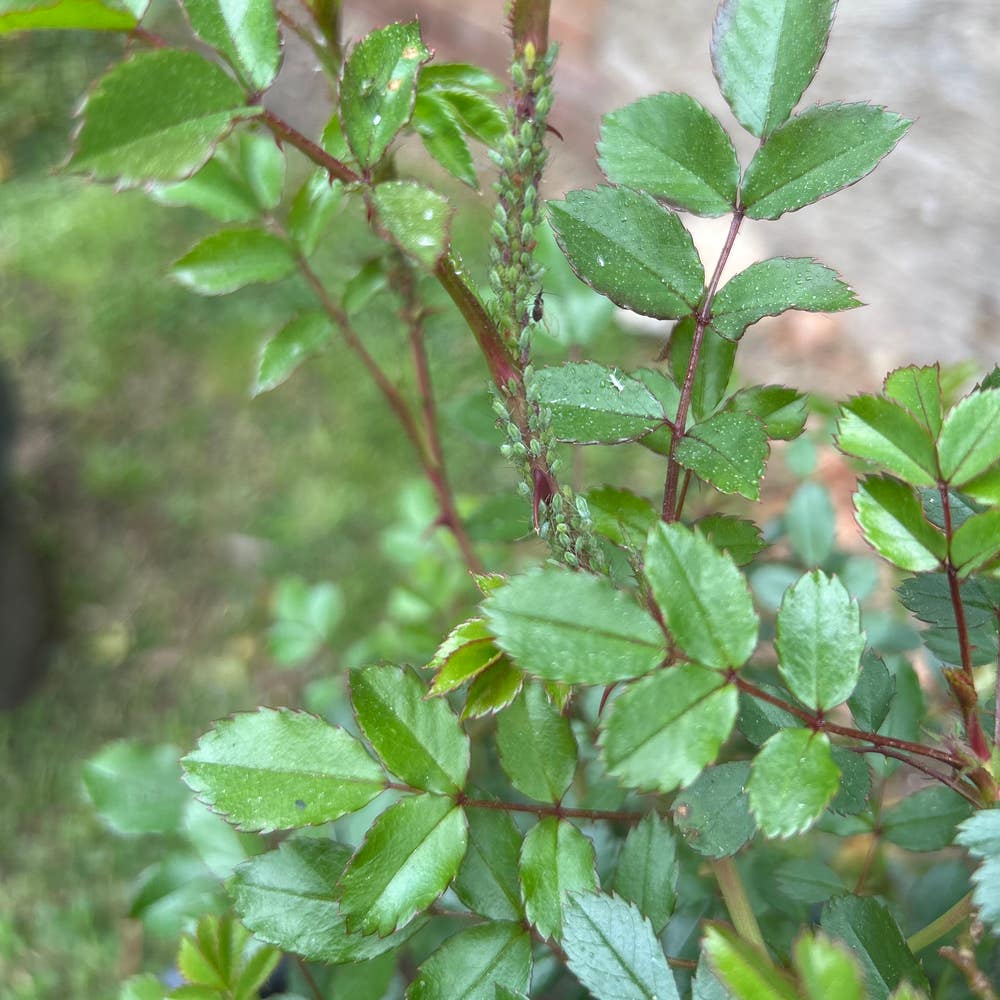
Aphids leave behind sticky residue and can cause curled leaves, making them easy to spot. Their feeding leads to nutrient depletion, which can result in drooping.
🕷️ Spider Mites
Spider mites are notorious for creating fine webbing and stippled leaves. Their presence can reduce the vigor of your rose bush, leading to drooping due to stress.
🦠 Diseases
Diseases can also contribute to droopy leaves in rose bushes.
🌫️ Powdery Mildew
Powdery mildew appears as white powdery spots on leaves and can cause drooping due to stress. Ensuring proper air circulation and using fungicides can help prevent and treat this issue.
💧 Root Rot
Root rot is characterized by wilting leaves, a foul smell from the soil, and mushy roots. To prevent this, ensure your soil is well-drained and adjust your watering practices accordingly.
Understanding these causes is essential for diagnosing and fixing droopy leaves on your rose bush. With the right care and attention, you can restore your roses to their vibrant glory. Next, let’s explore how to diagnose droopy leaves effectively.
Diagnosing Droopy Leaves
👀 Visual Signs to Look For
When diagnosing droopy leaves on your rose bush, start by observing color changes. Look for yellowing, browning, or dark spots, which can indicate various issues.
Next, assess the leaf texture. Crispy edges or mushy spots can signal problems, while overall plant vigor, such as stunted growth or excessive drooping, provides further clues about your plant's health.
💧 Soil Moisture Testing
Soil moisture is crucial for your rose bush's well-being. You can test moisture levels using simple methods like the finger test, a moisture meter, or a soil probe.
Aim for consistently moist soil that isn’t soggy. This balance is key to preventing droopy leaves and ensuring healthy growth.
🐛 Checking for Pests and Diseases
Pests and diseases can wreak havoc on your rose bush. Inspect leaves and stems closely for any signs of pests, such as aphids or spider mites.
Additionally, look for discoloration, spots, or mold, which can indicate disease. Identifying these issues early can help you take action before they lead to drooping leaves.
🌤️ Assessing Environmental Conditions
Environmental factors play a significant role in your rose bush's health. Start by evaluating sunlight exposure; ensure your plant is getting the right amount of light, whether full sun or partial shade.
Also, monitor temperature extremes and wind exposure. Protecting your rose bush from harsh conditions can prevent stress and keep those leaves looking vibrant.
By carefully diagnosing the causes of droopy leaves, you can take informed steps to restore your rose bush's health. Next, let's explore effective methods for fixing those droopy leaves and bringing your roses back to life.
Fixing Droopy Leaves
🌊 Adjusting Watering Practices
To revive your rose bush, start by adjusting your watering practices. Aim to water 1-2 times per week, depending on the weather conditions.
Deep watering is key; it encourages strong root growth while preventing waterlogging. This method ensures that moisture reaches the roots without saturating the soil.
🌱 Fertilizing for Nutrient Balance
Next, focus on fertilization to restore nutrient balance. Use balanced NPK fertilizers or organic options to provide essential nutrients.
Timing is crucial; apply fertilizers in early spring and again in mid-summer to support healthy growth throughout the season.
🌳 Providing Shade or Wind Protection
Environmental factors can also contribute to droopy leaves. Consider providing shade during the hottest parts of the day using shade cloth.
Additionally, plant your roses near taller plants to create natural windbreaks. This protection is vital for shielding your roses from extreme weather conditions.
🐛 Treating Pests and Diseases
Lastly, address any pest infestations or diseases that may be affecting your rose bush. Use insecticidal soap or neem oil to combat aphids and spider mites effectively.
For diseases like powdery mildew, apply fungicides and improve soil drainage to prevent root rot. Taking these steps will help your rose bush regain its vigor and vitality.
With these strategies in place, your rose bush will be on the path to recovery. Next, let’s explore how to prevent droopy leaves in the future.
Preventing Droopy Leaves
🌊 Best Practices for Watering
Establishing a consistent watering schedule is crucial for your rose bushes. Aim to water them 1-2 times per week, adjusting based on weather conditions to maintain balanced soil moisture.
Regularly monitoring soil moisture helps you avoid extremes that can lead to droopy leaves. Use simple methods like the finger test or a moisture meter to ensure your plants are neither overwatered nor underwatered.
🌱 Regular Fertilization Schedule
Fertilizing your rose bushes every 4-6 weeks during the growing season can significantly enhance their health. Opt for slow-release fertilizers to provide sustained nutrient availability, ensuring your plants get what they need without the risk of nutrient burn.
A balanced approach to fertilization helps prevent nutrient deficiencies that can lead to drooping leaves. Keep an eye on your plants and adjust your fertilization routine based on their specific needs.
🌍 Choosing the Right Planting Location
Selecting the right planting location is essential for minimizing environmental stress on your rose bushes. Consider factors like sunlight exposure, wind protection, and soil drainage when deciding where to plant.
A well-chosen location can make a world of difference in your plants' resilience. Ensure they receive adequate sunlight while being sheltered from harsh winds to promote healthy growth.
🍂 Seasonal Care Tips
Adapting your care routine with the seasons is vital for the long-term health of your rose bushes. In spring, focus on pruning and fertilizing to encourage new growth.
During summer, keep a close watch for pests and adjust your watering practices as needed. As fall approaches, prepare your plants for winter by mulching and protecting them from frost, ensuring they remain healthy through the colder months.
By implementing these preventative measures, you can help your rose bushes thrive and avoid the frustration of droopy leaves. With a little attention and care, your roses will reward you with vibrant blooms and lush foliage.
Aftercare for Rose Bushes
Monitoring Recovery 🌱
After addressing the issues causing droopy leaves, it's crucial to monitor your rose bushes closely. Regular checks will help you spot any signs of improvement in leaf health, allowing you to adjust care practices as needed.
Signs of Improvement 🌼
Look for new growth as a positive indicator of recovery. Healthy leaves and stems emerging, along with reduced drooping, signal that your rose bush is bouncing back.
Long-term Care Strategies 🌿
Establishing a routine for monitoring and maintenance is essential for the long-term health of your rose bushes. Adapt your care practices based on seasonal changes and the specific needs of your plants to ensure they thrive year-round.
By staying attentive and responsive to your rose bushes, you can foster a vibrant garden that flourishes with beauty and resilience. Next, let’s explore how to prevent droopy leaves from becoming a recurring issue.
⚠️ Safety First
This content is for general information and may contain errors, omissions, or outdated details. It is not medical, veterinary advice, or an endorsement of therapeutic claims.
Always consult a qualified healthcare professional before using any plant as food, medicine, or supplement.
Never eat any plant (or feed one to pets) without confirming its identity with at least two trusted sources.
If you suspect poisoning, call Poison Control (800) 222-1222, the Pet Poison Helpline (800) 213-6680, or your local emergency service immediately.
Spotted an error? Please report it here.
Revive your rose bushes and banish droopy leaves 🌹 by using Greg's tailored watering reminders and nutrient tips to keep them thriving all season long!