Ultimate Guide to Fixing Curling Leaves on Rose Bush 🌹
Rosa spp.
By the Greg Editorial Team
Nov 25, 2024•5 min read
This article was created with the help of AI so we can cover more plants for you. May contain errors. See one? Report it here.
- 🌡️💧 Curling leaves indicate stress from temperature extremes or low humidity.
- 🐜🌿 Pests like aphids and spider mites cause curling; inspect regularly for signs.
- 🌱🔍 Nutrient deficiencies and soil health are crucial for preventing leaf curling in roses.
Causes of Curling Leaves
🌡️ Environmental Stress Factors
Curling leaves on rose bushes can often be traced back to environmental stress. Temperature extremes, whether scorching heat or unexpected frost, can lead to significant leaf curl.
Low humidity levels also contribute to stress, causing leaves to curl as the plant struggles to retain moisture. Additionally, poor soil conditions, such as compacted soil or inadequate drainage, can exacerbate these stress factors, making it crucial to monitor your rose bushes' environment.
🐜 Pest Infestations
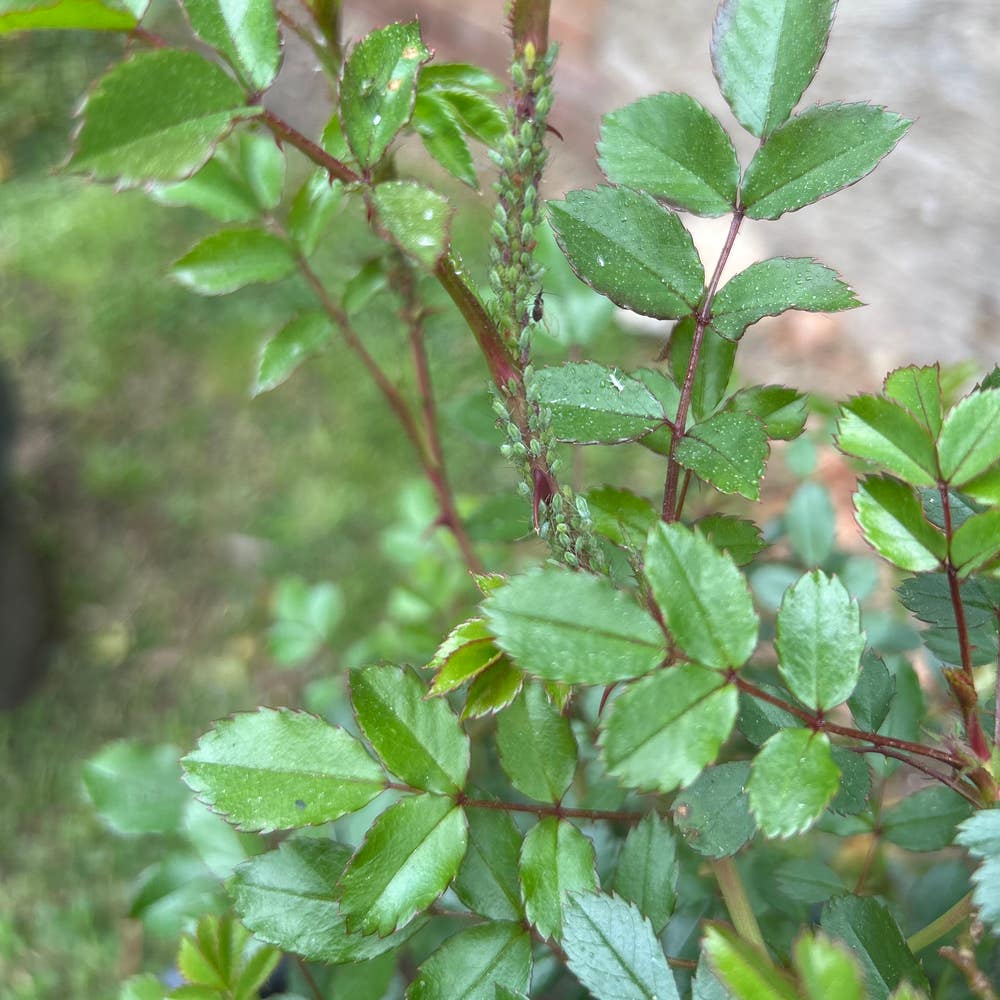
Aphids
Aphids are small, soft-bodied insects that typically invade new growth on rose bushes. If you notice leaves curling, yellowing, or a sticky residue on the foliage, aphids might be the culprits.
Spider Mites
Spider mites are tiny, spider-like pests that thrive in dry conditions. Look for fine webbing and stippled leaves, which are telltale signs of their presence and can lead to curling leaves.
🥦 Nutrient Deficiencies
Nitrogen Deficiency
Nitrogen deficiency manifests as older leaves yellowing and curling, often accompanied by stunted growth. This nutrient is essential for healthy foliage development, so it's vital to ensure your roses receive adequate nitrogen.
Potassium Deficiency
Potassium deficiency can cause leaf edges to curl and brown, resulting in weak stems. This nutrient is crucial for overall plant health and resilience, making it important to address any deficiencies promptly.
🦠 Diseases
Powdery Mildew
Powdery mildew appears as white, powdery spots on leaves, leading to curling. This fungal disease thrives in warm, dry environments with poor air circulation, so maintaining good airflow around your plants is essential.
Rust
Rust manifests as orange or brown spots on the underside of leaves, which can also lead to curling. This disease prefers humid conditions and can weaken the plant, making early detection and treatment critical.
Understanding these causes of curling leaves is the first step in restoring your rose bushes to their vibrant selves. Next, we’ll explore how to diagnose the specific issues affecting your plants.
Diagnosing Curling Leaves
🌿 Identifying Symptoms of Curling
Curling leaves on rose bushes can manifest in two primary ways: upward curling and downward curling. Upward curling often indicates environmental stress, while downward curling may suggest nutrient deficiencies or pest issues.
Timing is crucial when diagnosing curling leaves. Pay attention to when the curling occurs—whether during growth spurts or seasonal changes—as this can provide valuable clues about the underlying cause.
🕵️♂️ Differentiating Between Pest and Disease Issues
A thorough visual inspection is essential for identifying the source of curling leaves. Check both the leaves and stems for any signs of pests, such as aphids or spider mites, which can cause significant damage.
In addition to pests, assess the leaf texture for signs of disease. Look for discoloration, spots, or powdery residues that may indicate fungal infections or other health issues affecting your rose bush.
Understanding these symptoms and their implications will guide you in determining the best course of action to restore your rose bush's health. With careful observation, you can effectively tackle the challenges of curling leaves and promote vibrant growth.
Treatment Options
🌱 Organic Pest Control Methods
Organic pest control is a great way to tackle issues without harsh chemicals.
Insecticidal Soap
Insecticidal soap is effective against soft-bodied pests like aphids. Apply it directly to affected areas, ensuring thorough coverage of both the tops and undersides of leaves. Repeat applications every 5 to 7 days until the problem is under control.
Neem Oil
Neem oil is another powerful organic solution. It disrupts the life cycle of pests and can also help with fungal issues. Mix it with water according to the package instructions and spray it on your rose bushes in the early morning or late evening for best results.
⚗️ Chemical Treatments
If organic methods don’t cut it, chemical treatments can provide a more immediate solution.
Recommended Pesticides
Look for pesticides specifically formulated for rose bushes. Common options include pyrethroids and systemic insecticides. Always follow the manufacturer's application guidelines to ensure safety and effectiveness.
Timing
Timing is crucial for chemical treatments. Apply pesticides during cooler parts of the day to minimize harm to beneficial insects and avoid plant stress. Early morning or late afternoon is ideal for maximum effectiveness.
🌿 Nutrient Management and Fertilization
Healthy plants are more resilient to pests and diseases, making nutrient management essential.
Soil Testing
Start with soil testing to determine nutrient levels. This helps you understand what your rose bushes need for optimal growth and prevents over-fertilization.
Fertilization Schedule
Establish a fertilization schedule based on your soil test results. Generally, fertilize in early spring as new growth begins and again in mid-summer to support blooming. Use a balanced fertilizer to ensure your roses get the nutrients they need.
With these treatment options, you can effectively address curling leaves on your rose bushes. Next, let’s explore preventive measures to keep your plants healthy and thriving.
Preventive Measures
Proper Watering Techniques 🌊
Watering your rose bushes correctly is crucial for preventing curling leaves. Aim for deep watering, which encourages roots to grow deeper and access moisture more effectively.
Surface watering, on the other hand, can lead to shallow root systems and increased susceptibility to stress. Watch for signs of overwatering, such as yellowing leaves, wilting, or root rot, which can all contribute to leaf curl.
Soil Health and Amendments 🌱
Well-draining soil is essential for healthy rose bushes. Poor drainage can lead to waterlogged roots, which stress the plant and cause curling leaves.
To improve soil structure, consider adding organic matter like compost. This not only enhances drainage but also provides essential nutrients that promote robust growth.
Regular Monitoring and Maintenance 🔍
Regular inspections are key to catching potential issues early. Aim to check your roses weekly for pests and diseases, ensuring you can address problems before they escalate.
Incorporating pruning and deadheading into your routine can significantly enhance airflow and overall plant health. These practices not only keep your roses looking their best but also help prevent conditions that lead to curling leaves.
By implementing these preventive measures, you can create a thriving environment for your rose bushes, minimizing the risk of curling leaves and promoting vibrant growth. Next, let’s explore how to diagnose curling leaves effectively.
⚠️ Safety First
This content is for general information and may contain errors, omissions, or outdated details. It is not medical, veterinary advice, or an endorsement of therapeutic claims.
Always consult a qualified healthcare professional before using any plant as food, medicine, or supplement.
Never eat any plant (or feed one to pets) without confirming its identity with at least two trusted sources.
If you suspect poisoning, call Poison Control (800) 222-1222, the Pet Poison Helpline (800) 213-6680, or your local emergency service immediately.
Spotted an error? Please report it here.
Keep your rose bushes thriving 🌹 by using Greg's tailored care reminders and tips to tackle curling leaves and ensure vibrant growth!