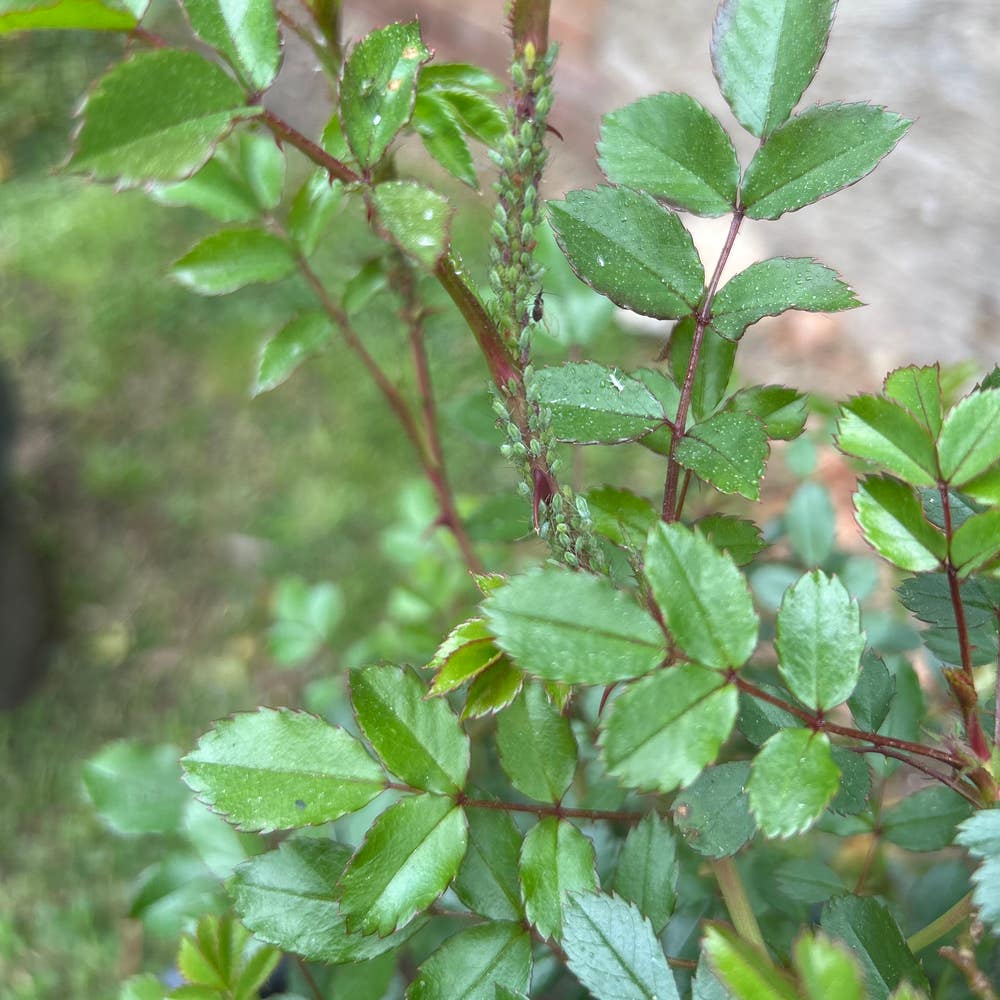
Best Humidity Levels for Salmon Rose 💧
Rosa spp.
By the Greg Editorial Team
Nov 23, 2024•5 min read
This article was created with the help of AI so we can cover more plants for you. May contain errors. See one? Report it here.
- 🌱 Ideal humidity for Salmon Rose is 40-60% for vibrant growth and color.
- 💧 Low humidity causes leaf drop and stunted growth; monitor conditions closely.
- 🦠 Excess humidity leads to mold and rot; ensure good ventilation and drainage.
Ideal Humidity Range for Optimal Growth
🌬️ Recommended humidity levels
For your Salmon Rose, maintaining a relative humidity level between 40-60% is key. This range not only supports vibrant leaf color but also promotes robust growth, making your plant thrive.
When humidity levels dip below this range, you might notice your Salmon Rose struggling. Keeping an eye on humidity ensures your plant remains healthy and visually appealing.
Effects of Low and High Humidity
🌬️ Symptoms of Low Humidity
When humidity levels dip below the ideal range, your Salmon Rose may show distress. Common signs include leaf drop, shriveling, and stunted growth.
Low humidity also makes your plant more vulnerable to pests and diseases. This increased susceptibility can lead to further complications if not addressed promptly.
💧 Symptoms of High Humidity
On the flip side, excessive humidity can create a breeding ground for problems. Fungal diseases, mold growth, and leaf rot are all symptoms of high humidity that can threaten the health of your Salmon Rose.
Maintaining the ideal humidity range is crucial to prevent stress on your plant. A balanced environment ensures your Salmon Rose thrives, showcasing its vibrant colors and robust growth.
Understanding these symptoms helps you take proactive measures. By monitoring humidity levels, you can create a nurturing environment for your plants.
Next, we’ll explore local humidity considerations that can impact your care strategies.
Local Humidity Considerations
Assessing Local Humidity Conditions 🌧️
Understanding your local climate is crucial for the health of your Salmon Rose. Variations in humidity can significantly influence your care strategies, affecting everything from watering schedules to pest management.
To stay informed, utilize resources like local weather services and online climate data. These tools can help you gauge the humidity levels in your area, allowing you to tailor your plant care effectively.
Seasonal Variations in Humidity 🌦️
Humidity levels fluctuate throughout the year, with summer typically bringing higher moisture and winter leading to drier air. Recognizing these seasonal changes is essential for maintaining the ideal environment for your Salmon Rose.
Adjust your care routines accordingly. For instance, during the humid summer months, you might need less frequent watering, while in winter, you may need to increase humidity through misting or using a humidifier.
By staying attuned to local humidity conditions and seasonal variations, you can ensure your Salmon Rose thrives all year round. This proactive approach sets the stage for the next section on strategies for boosting humidity, where we’ll explore practical methods to enhance your plant's environment.
Strategies for Boosting Humidity
💧 Using Humidifiers for Indoor Plants
To maintain the ideal humidity for your Salmon Rose, consider using a humidifier. You can choose between cool mist and warm mist options, each offering unique benefits for your plants.
Position your humidifier near the Salmon Rose for optimal effect. This ensures that the moisture reaches the plant directly, creating a comfortable environment for growth.
🌱 Grouping Plants to Increase Humidity
Another effective strategy is to group your plants together. Clustering creates a microenvironment with higher humidity, benefiting all the plants in the vicinity.
Be mindful of spacing; avoid overcrowding to ensure proper air circulation. This balance helps prevent issues like mold while still boosting humidity levels.
🪴 Pebble Trays and Water Features
Pebble trays are a simple yet effective way to increase humidity around your Salmon Rose. As water evaporates from the tray, it raises the local humidity, creating a more favorable environment.
To set up a pebble tray, fill a shallow tray with pebbles and add water. Ensure that the pot sits above the water line to prevent root rot while still enjoying the benefits of increased humidity.
By implementing these strategies, you can create an optimal environment for your Salmon Rose, promoting vibrant growth and health. Next, we’ll explore how to reduce humidity when it becomes excessive.
Strategies for Reducing Humidity
🌬️ Ventilation and Air Circulation
Airflow is crucial for preventing mold and fungal issues, especially in high humidity environments. Improving ventilation can be as simple as using fans or opening windows to promote fresh air circulation.
🪴 Choosing the Right Potting Mix
Selecting a well-draining potting mix is essential to prevent excess moisture retention. Look for mixes that include ingredients like perlite, sand, and cactus mix to ensure optimal drainage and keep your Salmon Rose healthy.
🚿 Avoiding Overwatering
Overwatering can lead to serious problems, such as yellowing leaves, mushy stems, and root rot. To maintain balanced moisture levels, allow the soil to dry out between waterings, ensuring your plant thrives without the risk of drowning.
By implementing these strategies, you can effectively manage humidity levels and create a healthier environment for your Salmon Rose. Next, we’ll explore common humidity-related issues and how to tackle them head-on.
Common Humidity-Related Issues
Signs of Inadequate Humidity 🌵
When humidity levels drop too low, your Salmon Rose may show clear signs of distress. Look out for leaf curling, browning edges, and an overall decline in vigor.
Additionally, you might notice behavioral changes such as slower growth and increased pest activity. These symptoms indicate that your plant is struggling to thrive in its environment.
Solutions for Humidity-Related Problems 💧
To address low humidity, consider immediate actions like misting your plants or using a humidifier. These quick fixes can help restore moisture levels and revitalize your Salmon Rose.
For long-term success, regular monitoring is essential. Adapt your care routines based on the humidity fluctuations in your home to keep your plant healthy.
Preventing Mold and Mildew in High Humidity 🚫
In high humidity conditions, mold and mildew can become a real threat. To prevent these issues, ensure good air circulation around your plants and avoid water accumulation in pots.
Regular inspections are crucial for early detection of any mold or mildew. Catching these problems early can save your plant from significant damage and keep it thriving.
By staying proactive about humidity levels, you can create a healthy environment for your Salmon Rose. Next, let’s explore effective strategies for boosting humidity to support your plant's growth.
⚠️ Safety First
This content is for general information and may contain errors, omissions, or outdated details. It is not medical, veterinary advice, or an endorsement of therapeutic claims.
Always consult a qualified healthcare professional before using any plant as food, medicine, or supplement.
Never eat any plant (or feed one to pets) without confirming its identity with at least two trusted sources.
If you suspect poisoning, call Poison Control (800) 222-1222, the Pet Poison Helpline (800) 213-6680, or your local emergency service immediately.
Spotted an error? Please report it here.
Keep your Salmon Rose thriving 🌿 by using Greg's tailored humidity alerts and care tips to maintain that perfect 40-60% humidity range for vibrant growth!