Managing Yellow Leaves on Your Salmon Rose
Rosa spp.
By the Greg Editorial Team
Nov 23, 2024•6 min read
This article was created with the help of AI so we can cover more plants for you. May contain errors. See one? Report it here.
- 🌱 Yellow leaves indicate nutrient deficiencies, especially nitrogen and iron.
- 💧 Overwatering and underwatering both cause yellow leaves; maintain a consistent watering schedule.
- ☀️ Full sun is essential for Salmon Rose; relocate if it’s not thriving.
Causes of Yellow Leaves
🥦 Nutrient Deficiencies
Nutrient deficiencies are a primary cause of yellow leaves on your Salmon Rose. A nitrogen deficiency typically causes older leaves to yellow first, while iron deficiency leads to yellowing between leaf veins, known as interveinal chlorosis.
To combat these issues, balanced fertilization is crucial. Using a balanced NPK formula every 4-6 weeks during the growing season can help maintain optimal nutrient levels.
💧 Watering Issues
🚫 Overwatering
Overwatering is a common mistake that can lead to yellow leaves. Signs include yellowing leaves, especially at the base, and wilting despite wet soil conditions.
To remedy overwatering, allow the soil to dry out between watering sessions. Additionally, ensure proper drainage in pots and garden beds to prevent waterlogging.
💦 Underwatering
Conversely, underwatering can also cause yellow leaves. Look for dry, crispy leaf edges and overall yellowing as indicators of insufficient water.
Establishing a consistent watering schedule is essential. Regularly check soil moisture using a moisture meter or the finger test to ensure your plant is getting enough hydration.
☀️ Sunlight Requirements
Sunlight plays a vital role in the health of your Salmon Rose. Optimal conditions include full sun (6-8 hours daily) to partial shade.
If your plant isn’t thriving, consider relocating it to a sunnier spot. Pruning surrounding plants can also help reduce shading and allow more light to reach your Salmon Rose.
🐛 Pests and Diseases
🐜 Common Pests
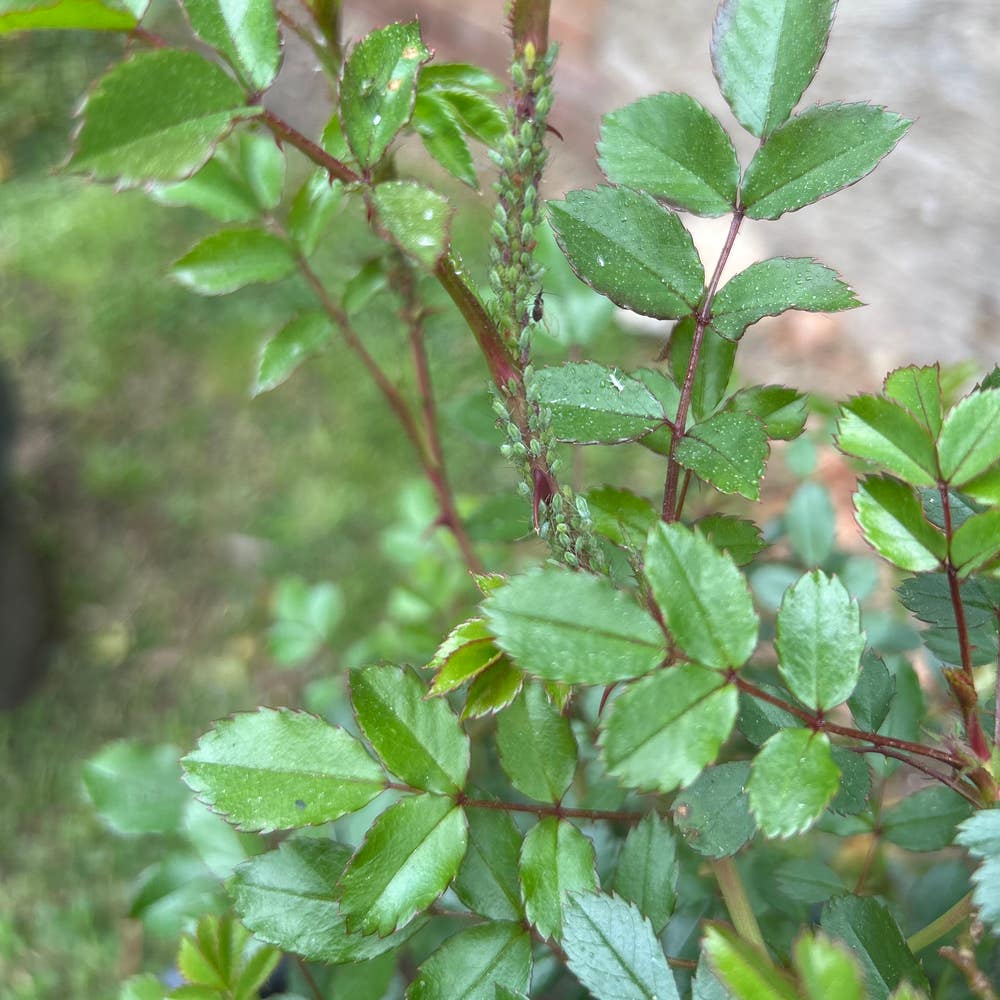
Pests can wreak havoc on your plant, leading to yellow leaves. Aphids are a common culprit, often appearing as clusters on new growth and leaving a sticky residue on leaves.
To control aphids, use insecticidal soap or neem oil. Spider mites are another issue, identifiable by fine webbing and stippled leaves. Increasing humidity and applying miticides can help manage these pests.
🍄 Fungal Diseases
Fungal diseases can also contribute to yellowing leaves. Powdery mildew, characterized by white powdery spots on leaves, is a frequent problem.
Preventing and treating fungal issues involves using fungicides as needed and ensuring proper air circulation around your plants.
Understanding these causes is the first step in managing yellow leaves effectively. Next, we’ll explore how to diagnose the specific issues affecting your Salmon Rose.
Diagnosing Yellow Leaves
Identifying Symptoms 🌼
When diagnosing yellow leaves on your Salmon Rose, start by observing the visual signs. Look for general yellowing across the plant versus localized yellowing, which can indicate specific issues.
Additionally, pay attention to leaf drop and wilting patterns. These symptoms can provide crucial clues about the plant's health.
Assessing Soil Conditions 🌱
Next, assess the soil conditions. A soil moisture check is essential; use a moisture meter or perform a finger test to determine if the soil is too wet or too dry.
Also, consider the soil composition. Ensure it is well-draining and contains organic matter to support healthy root growth.
Checking for Pests 🐛
Regular inspection is key to identifying pest problems early. Look under leaves and at stem joints for any signs of pests that could be causing stress to your plant.
To monitor for flying pests like aphids and whiteflies, consider using sticky traps. These traps can help you catch infestations before they escalate.
By carefully diagnosing these symptoms, soil conditions, and potential pests, you can take the necessary steps to restore your Salmon Rose to its vibrant self. Now, let’s explore effective solutions for yellow leaves.
Solutions for Yellow Leaves
🌊 Adjusting Watering Practices
Establishing a consistent watering schedule is crucial for your Salmon Rose. Water deeply but infrequently to encourage strong root growth.
Monitor soil moisture regularly. Adjust your watering frequency based on current weather conditions and the specific needs of your plant.
🌱 Fertilization Techniques
Choosing the right fertilizer can make a significant difference. Opt for a balanced NPK formula to ensure your plant receives essential nutrients.
Follow the package instructions for dosage and frequency. This will help prevent nutrient imbalances that can lead to yellowing leaves.
☀️ Improving Light Conditions
Assess your plant's current light exposure. If it’s not receiving adequate sunlight, consider relocating it to a brighter spot.
Prune surrounding foliage to allow more light to reach the plant. This simple step can enhance its overall health and vigor.
🐞 Pest Management Strategies
Identifying pests early is key to maintaining plant health. Regularly inspect your Salmon Rose for signs of infestation, such as discolored leaves or sticky residue.
Implement organic control methods to manage pests effectively. Beneficial insects like ladybugs can help keep aphid populations in check without harmful chemicals.
By addressing these areas, you can help your Salmon Rose thrive and prevent those pesky yellow leaves from returning. Next, let’s explore how to prevent yellow leaves from becoming a recurring issue.
Preventing Yellow Leaves
Regular Maintenance Tips 🌱
To keep your Salmon Rose thriving, routine checks for pests and diseases are essential. Regularly inspect your plant for any signs of trouble, and maintain a consistent watering and fertilization schedule to support healthy growth.
Seasonal Care Practices ☀️
Adjusting your care based on the seasons can make a significant difference. In the hot months, increase watering to prevent stress, while reducing it during winter when the plant's needs decrease.
Soil Health Management 🏵️
Healthy soil is the foundation of a vibrant plant. Regularly amend your soil with organic matter to enhance its structure and fertility, and test soil pH and nutrient levels annually to ensure optimal growing conditions.
By implementing these preventive measures, you can help your Salmon Rose flourish and avoid the frustration of yellow leaves. Next, let’s explore how to monitor your plant's health effectively.
Monitoring Plant Health
Signs of Recovery 🌱
When your Salmon Rose begins to recover, you'll notice new growth emerging and vibrant colors returning to the leaves. This is a clear indication that your plant is bouncing back from its yellowing phase.
Ongoing Care Practices 🧑🌾
To keep your plant thriving, maintain a consistent care routine. Regularly assess its needs and adjust your practices based on how the plant responds to its environment.
When to Seek Professional Help 🆘
If yellowing persists despite your best efforts, it may be time to consult a professional. Severe pest infestations or disease outbreaks can overwhelm even the most diligent gardener, so don’t hesitate to seek expert advice when needed.
By staying vigilant and responsive to your Salmon Rose's health, you can ensure it remains a vibrant part of your garden. Next, we’ll explore effective strategies for preventing yellow leaves from becoming a recurring issue.
⚠️ Safety First
This content is for general information and may contain errors, omissions, or outdated details. It is not medical, veterinary advice, or an endorsement of therapeutic claims.
Always consult a qualified healthcare professional before using any plant as food, medicine, or supplement.
Never eat any plant (or feed one to pets) without confirming its identity with at least two trusted sources.
If you suspect poisoning, call Poison Control (800) 222-1222, the Pet Poison Helpline (800) 213-6680, or your local emergency service immediately.
Spotted an error? Please report it here.
Revive your Salmon Rose and banish yellow leaves 🌿 with Greg's personalized care tips and reminders for optimal watering and fertilization!