🐟 What to Do About Curling Leaves on Your Salmon Rose
Rosa spp.
By the Greg Editorial Team
Nov 23, 2024•6 min read
This article was created with the help of AI so we can cover more plants for you. May contain errors. See one? Report it here.
- 🌡️ Optimal temperatures for Salmon Roses are 60°F to 75°F (15°C to 24°C).
- 💧 Humidity levels between 40%-60% are crucial to prevent leaf curling.
- 🐛 Common pests like aphids can cause curling leaves; treat with insecticidal soap.
Causes of Curling Leaves
🌪️ Environmental Stress Factors
Temperature Extremes
Salmon Roses thrive in a temperature range of 60°F to 75°F (15°C to 24°C). When temperatures stray too far from this ideal range, you may notice symptoms like leaf curling and discoloration.
Humidity Levels
Maintaining optimal humidity levels between 40% and 60% is crucial for healthy Salmon Roses. Low humidity can lead to curling leaves and drying out, stressing your plant.
🐛 Pest Infestations
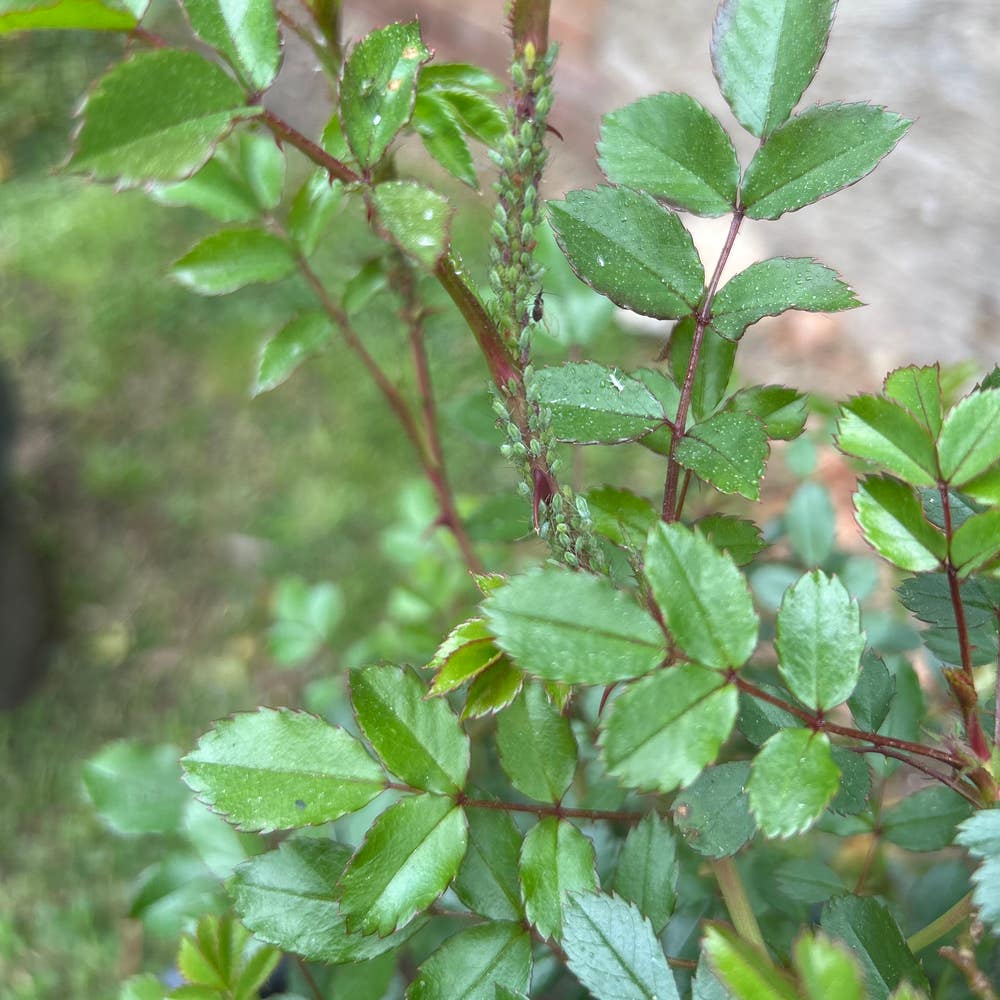
Aphids
Aphids are small, soft-bodied insects often found on new growth. They cause damage by distorting leaves and leaving behind a sticky residue known as honeydew.
Spider Mites
Spider mites are tiny, spider-like creatures that create fine webbing on your plants. Their presence can lead to yellowing leaves, stippling, and curling, indicating a serious infestation.
🥦 Nutrient Deficiencies
Nitrogen Deficiency
A lack of nitrogen manifests as yellowing leaves and stunted growth. Nitrogen is vital for leaf health, playing a key role in photosynthesis and overall plant vigor.
Potassium Deficiency
Potassium deficiency can cause leaf curling and browning edges. This nutrient is essential for maintaining the overall health and resilience of your Salmon Rose.
🍄 Fungal Infections
Powdery Mildew
Powdery mildew appears as white, powdery spots on leaves. This fungal infection leads to curling and distortion, compromising the plant's health.
Rust
Rust manifests as orange or brown spots on leaves. It can cause leaf curling and premature drop, signaling the need for immediate action.
💧 Watering Issues
Overwatering
Overwatering can lead to wilting, yellowing leaves, and root rot. Ensuring well-drained soil is essential for the health of your Salmon Rose.
Underwatering
Underwatering results in dry, crispy leaves and curling. Recognizing signs of dehydration is crucial to keeping your rose plants thriving.
Understanding these causes of curling leaves is the first step in addressing the issue effectively. Next, we will explore how to diagnose the specific problems affecting your Salmon Rose.
Diagnosing Curling Leaves
Identifying Symptoms of Leaf Curl 🌿
Curling leaves on your Salmon Rose can be alarming. Look for visual signs such as curling, discoloration, and distortion, which indicate that something is amiss.
Early detection is crucial for effective treatment. The sooner you identify the issue, the easier it will be to restore your plant's health.
Differentiating Between Pest Damage and Environmental Stress 🐛
Understanding the difference between pest damage and environmental stress is key. Pest infestations often present specific indicators, such as visible insects or sticky residue, while environmental stress typically manifests through broader symptoms like leaf curling and discoloration.
A close inspection of your plant can reveal these differences. Take the time to examine the leaves and stems thoroughly for accurate diagnosis.
Assessing Soil and Watering Conditions 💧
Soil and watering conditions play a significant role in leaf health. Checking soil moisture levels is essential; you can do this by inserting your finger 1-2 inches into the soil to assess its dampness.
Evaluating drainage and soil health is equally important. Ensure your Salmon Rose has well-draining soil to promote optimal growth and prevent issues related to overwatering or underwatering.
By diagnosing these factors, you can take the necessary steps to treat and prevent curling leaves effectively. Next, we’ll explore how to treat these curling leaves and restore your plant's vitality.
Treating Curling Leaves
🌿 Step-by-Step Guide to Pest Control
When it comes to treating curling leaves on your Salmon Rose, addressing pest infestations is crucial. Here’s how to tackle it effectively.
Insecticidal Soap Application (difficulty: easy)
- Choose a warm, dry day for application to maximize effectiveness.
- Mix the insecticidal soap according to the product instructions.
- Spray directly on affected areas, ensuring you cover both sides of the leaves for thorough treatment.
Neem Oil Treatment (difficulty: moderate)
- Dilute neem oil with water as per the instructions on the label.
- Apply the mixture in the evening to prevent leaf burn from the sun.
- Repeat this treatment every 7-14 days until you see a reduction in pests.
🌱 Nutrient Supplementation
Proper nutrition is vital for your Salmon Rose's health, especially when dealing with curling leaves.
Fertilizers for Roses
- Use fertilizers with recommended NPK ratios of 10-10-10 or 5-10-5.
- Apply these fertilizers every 4-6 weeks during the growing season to support robust growth.
💧 Adjusting Watering Practices
Watering correctly is essential for preventing leaf curl. Here’s how to ensure your plant gets the right amount of moisture.
How to Check Soil Moisture (difficulty: easy)
- Insert your finger 1-2 inches into the soil to check moisture levels.
- If the soil feels dry, it’s time to water; if it’s moist, wait before watering again.
- Adjust your watering schedule based on current weather conditions to maintain optimal soil moisture.
🍄 Fungal Treatment Options
Fungal infections can also lead to curling leaves. Here’s how to manage them effectively.
Fungicides
- There are two main types of fungicides: systemic and contact.
- Apply fungicides at the first sign of infection to prevent further damage.
Cultural Practices
- Ensure good air circulation around your plants by using proper pruning techniques.
- Avoid overhead watering to reduce humidity, which can foster fungal growth.
By following these steps, you can effectively treat curling leaves on your Salmon Rose and promote a healthier plant. Next, let’s explore how to prevent these issues from arising in the first place.
Preventing Curling Leaves
🌱 Best Practices for Care
Regular pruning is essential for maintaining the health of your Salmon Rose. Aim to prune during the early spring, removing dead or diseased wood to promote new growth.
Mulching is another effective practice. A layer of mulch helps retain moisture and regulates soil temperature, creating a stable environment for your plant.
🌼 Seasonal Care Tips
🌸 Spring Maintenance
Spring is the perfect time to fertilize your Salmon Rose. Use a balanced fertilizer, applying it as new growth begins to ensure your plant has the nutrients it needs.
Pest monitoring should also be a priority. Early detection of pests can save your plant from significant damage, so keep an eye out for any unusual signs.
☀️ Summer Maintenance
Adjust your watering schedule during the summer months. Increase frequency based on heat levels, ensuring your plant stays hydrated without overwatering.
Consider shade options during extreme heat. Providing some afternoon shade can protect your Salmon Rose from scorching sun, helping to prevent leaf curling.
🌿 Soil Health and Amendments
Well-draining soil is crucial for the health of your Salmon Rose. Choose soil types that allow excess water to escape, preventing root rot and other issues.
Regular soil testing can help you understand nutrient levels. This knowledge allows you to amend your soil appropriately, ensuring your plant thrives.
🔍 Regular Monitoring for Pests and Diseases
Conduct weekly inspections of your Salmon Rose. Look for signs of pests or diseases, such as discoloration or unusual growth patterns.
Keeping a care journal can be beneficial. Documenting your plant's health over time helps you identify patterns and make informed decisions about care.
By following these preventive measures, you can maintain the vitality of your Salmon Rose and enjoy its beauty for years to come. Next, let’s explore how to diagnose curling leaves effectively.
⚠️ Safety First
This content is for general information and may contain errors, omissions, or outdated details. It is not medical, veterinary advice, or an endorsement of therapeutic claims.
Always consult a qualified healthcare professional before using any plant as food, medicine, or supplement.
Never eat any plant (or feed one to pets) without confirming its identity with at least two trusted sources.
If you suspect poisoning, call Poison Control (800) 222-1222, the Pet Poison Helpline (800) 213-6680, or your local emergency service immediately.
Spotted an error? Please report it here.
Keep your Salmon Rose thriving 🌱 by using Greg's tailored care tips and reminders to tackle curling leaves and ensure a healthy, vibrant plant!