🍃 Why Your Salmon Rose Leaves Are Dropping
Rosa spp.
By the Greg Editorial Team
Nov 23, 2024•6 min read
This article was created with the help of AI so we can cover more plants for you. May contain errors. See one? Report it here.
- 💧🌱 Overwatering and underwatering cause leaf drop; adjust watering techniques accordingly.
- 🐛 Pest damage leads to leaf issues; inspect regularly for early detection.
- 🌞🌿 Environmental factors like light and humidity affect your Salmon Rose's health.
Diagnosing Leaf Drop Issues
🌊 Signs of Overwatering vs. Underwatering
Understanding the signs of overwatering and underwatering is crucial for your Salmon Rose's health. Overwatering typically manifests as yellow leaves and soggy soil, indicating that the roots are drowning.
On the other hand, underwatering presents itself through dry, crispy leaves and soil that pulls away from the edges of the pot. Recognizing these signs early can help you adjust your care routine effectively.
🥦 Identifying Nutrient Deficiency Symptoms
Nutrient deficiencies can also lead to leaf drop, and it's essential to identify them promptly. For instance, nitrogen deficiency often results in yellowing leaves, while phosphorus deficiency can cause dark green or purplish leaves.
Potassium deficiency may show as browning leaf edges. Pay attention to these color changes and texture differences, as they can guide you in restoring your plant's health.
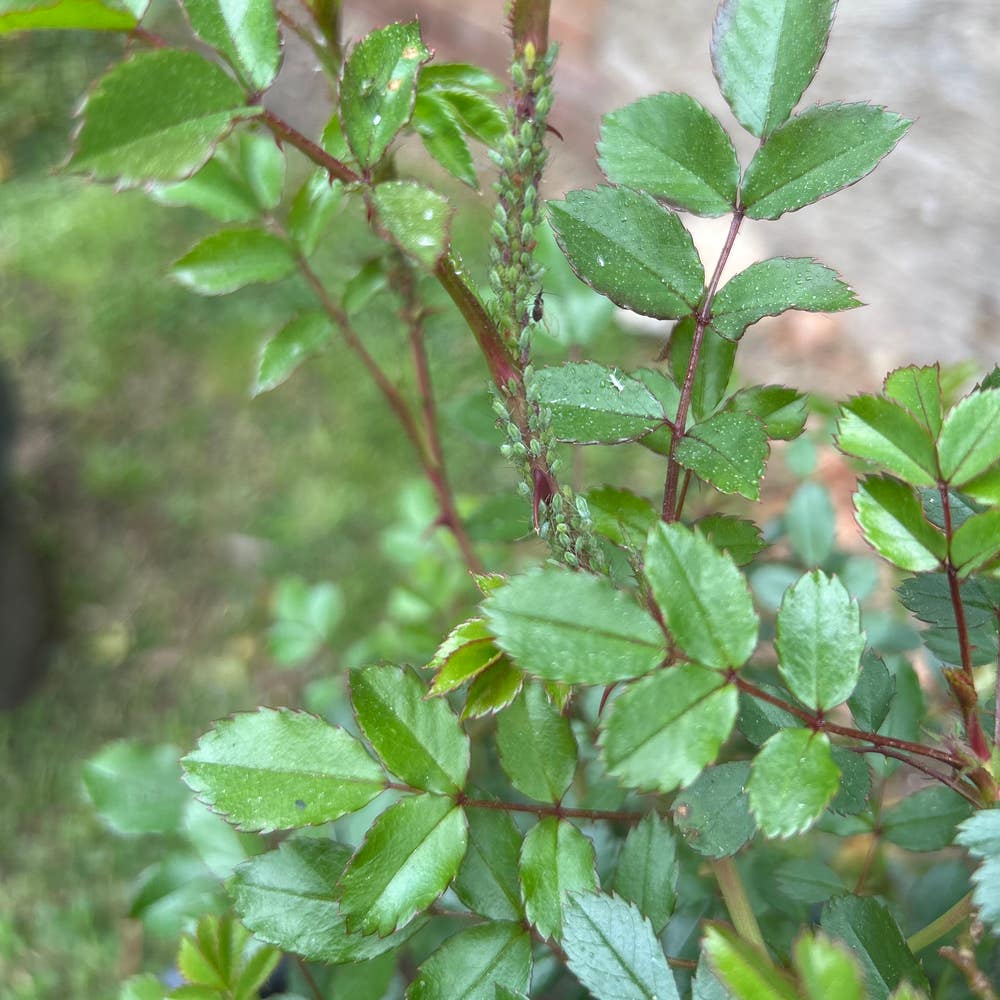
🐛 Recognizing Pest Damage on Leaves
Pest damage is another common culprit behind leaf drop. Look for holes, discoloration, or sticky residue on your leaves, which are clear indicators of pest activity.
Early detection is vital for effective treatment. If you notice these signs, act quickly to protect your plant from further damage.
🌡️ Assessing Environmental Conditions Affecting the Plant
Environmental conditions play a significant role in your Salmon Rose's well-being. Start by evaluating light exposure; ensure your plant receives adequate duration and intensity of light.
Additionally, monitor temperature and humidity levels using thermometers and hygrometers. Keeping these factors in check can prevent stress on your plant and promote healthy growth.
With a solid understanding of these diagnostic factors, you're well-equipped to tackle any leaf drop issues your Salmon Rose may face. Next, let's explore some preventive measures to keep your plant thriving.
Preventive Measures
💧 Proper Watering Techniques for Salmon Rose
Watering your Salmon Rose correctly is crucial for its health. Adjust your watering frequency based on the season and the size of your plant; typically, during the growing season, you'll need to water more frequently.
Utilize the soak and dry method for optimal moisture levels. This technique involves thoroughly soaking the soil and allowing it to dry out completely before the next watering, ensuring the roots receive adequate hydration without becoming waterlogged.
🌱 Soil Selection and Drainage Tips
Choosing the right soil is essential for your Salmon Rose's well-being. A cactus mix or well-draining potting soil is recommended to promote healthy root growth.
Don't underestimate the importance of drainage holes in your pots. These holes prevent water accumulation, which can lead to root rot and other issues.
🥗 Fertilization Schedule and Nutrient Balance
To keep your Salmon Rose thriving, a balanced fertilization schedule is key. Opt for balanced NPK fertilizers or those specifically designed for succulents.
Timing is everything; fertilize during the growing season, which typically spans spring and summer. This ensures your plant receives the nutrients it needs to flourish.
🐞 Pest Management Strategies
Regular inspections are vital for early pest detection. Aim for weekly checks to catch any issues before they escalate.
Consider using natural deterrents like neem oil and insecticidal soap. These options are effective and help maintain a healthy growing environment for your Salmon Rose.
By implementing these preventive measures, you can significantly reduce the risk of leaf drop and ensure your plant remains vibrant and healthy. Next, let’s explore treatment and recovery methods for when things don’t go as planned.
Treatment and Recovery
🌊 Step-by-Step Guide to Treating Overwatering
Overwatering can be detrimental to your Salmon Rose. Start by assessing the soil moisture using a moisture meter or your finger test.
Next, carefully remove the plant from its pot to inspect the roots for any signs of rot. If you find mushy sections, trim them away to prevent further damage.
Once you've pruned the affected roots, repot the plant in fresh, dry soil. Ensure that the new pot has proper drainage to avoid future issues.
💧 How to Address Underwatering Issues
Underwatering can also lead to leaf drop, but it's easier to remedy. Begin by watering the plant thoroughly, soaking the soil until water drains out of the bottom.
After watering, monitor the plant's recovery closely. Look for signs of new growth, which indicate that your Salmon Rose is bouncing back.
Adjust your watering schedule based on environmental conditions to prevent future underwatering.
🌱 Nutrient Supplementation Methods
Nutrient deficiencies can contribute to leaf drop, so consider supplementation. Liquid fertilizers and slow-release granules are effective options for boosting nutrient levels.
Apply these supplements every 4-6 weeks during the growing season to keep your plant healthy and thriving.
🐛 Pest Control Methods and Products
Pests can wreak havoc on your Salmon Rose, so proactive pest control is essential. Recommended products include insecticidal soap, neem oil, and diatomaceous earth.
When applying these treatments, use techniques like spraying directly on the leaves or soil drenching to ensure thorough coverage.
🌼 Recovery Techniques for Stressed Plants
Recovery takes time, so be patient with your Salmon Rose. Allow the plant to recuperate and monitor it for new growth, which is a positive sign of recovery.
By staying attentive and providing the right care, you can help your plant regain its health and vibrancy.
As you implement these treatment and recovery strategies, you'll be well on your way to nurturing a resilient Salmon Rose. Next, let's explore essential pruning and maintenance techniques to keep your plant in top shape.
Pruning and Maintenance
When and How to Prune Salmon Rose 🌹
Pruning your Salmon Rose is essential for maintaining its health and aesthetics. The best time to prune is early spring, just before new growth begins.
To prune effectively, use clean, sharp scissors. Focus on removing dead or damaged leaves to encourage fresh growth and improve the plant's overall appearance.
Importance of Regular Maintenance for Leaf Health 🧼
Regular maintenance is key to keeping your Salmon Rose thriving. Make it a habit to inspect your plant for pests and diseases, as early detection can save your plant from serious damage.
Additionally, cleaning the leaves is crucial. Dust accumulation can hinder photosynthesis, so gently wipe the leaves to ensure they can absorb sunlight efficiently.
Seasonal Care Tips to Prevent Leaf Drop 🍂
Adjusting your care routine based on the seasons can significantly impact your plant's health. For instance, watering and fertilization needs change with temperature and light availability.
During colder months, be proactive by moving your Salmon Rose indoors to protect it from temperature fluctuations. This simple step can prevent stress and leaf drop, ensuring your plant remains vibrant year-round.
By incorporating these pruning and maintenance practices, you can foster a healthy environment for your Salmon Rose, setting the stage for a flourishing plant. Next, let’s explore effective treatment and recovery strategies for common issues that may arise.
⚠️ Safety First
This content is for general information and may contain errors, omissions, or outdated details. It is not medical, veterinary advice, or an endorsement of therapeutic claims.
Always consult a qualified healthcare professional before using any plant as food, medicine, or supplement.
Never eat any plant (or feed one to pets) without confirming its identity with at least two trusted sources.
If you suspect poisoning, call Poison Control (800) 222-1222, the Pet Poison Helpline (800) 213-6680, or your local emergency service immediately.
Spotted an error? Please report it here.
Keep your Salmon Rose thriving 🌱 by using Greg's personalized care reminders to master its watering, nutrients, and environment for a healthy, happy plant!