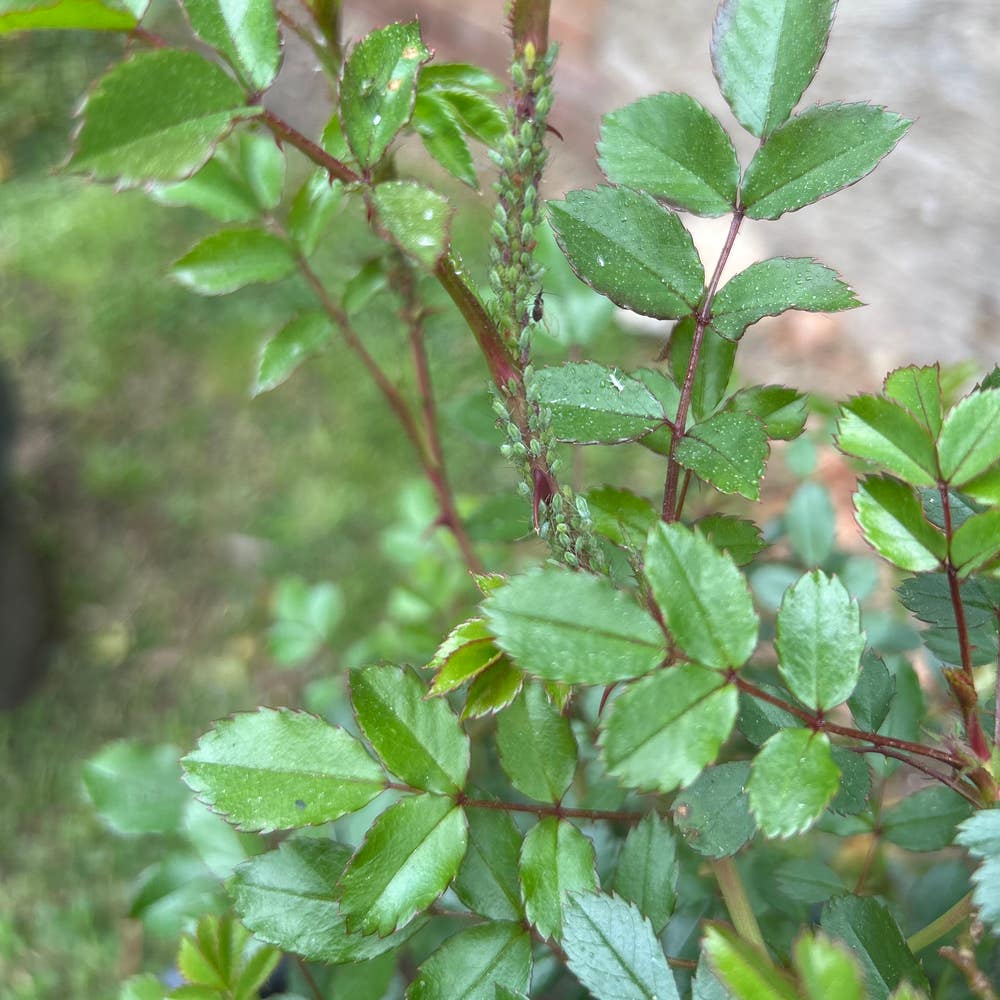
🐟 How to Prepare Your Salmon Rose for Winter
Rosa spp.
By the Greg Editorial Team
Nov 23, 2024•4 min read
This article was created with the help of AI so we can cover more plants for you. May contain errors. See one? Report it here.
- ❄️ Cover your salmon rose before frost with cloths or burlap for protection.
- 🌱 Mulch with organic materials to insulate roots and retain moisture during winter.
- 🌞 Provide bright light indoors and maintain 60°F-70°F for winter care success.
Protection Strategies
🥶 Methods for Frost Protection
To protect your salmon rose from frost, covering plants is essential. Use frost cloths or burlap to shield them from extreme temperatures.
Timing is crucial; apply these covers before the first frost hits and remove them once temperatures rise again. This simple step can make a significant difference in your plant's survival.
🌱 Using Mulch for Insulation
Mulch serves as an excellent insulator for your salmon rose. Opt for organic materials like straw or wood chips to create a protective layer.
Apply a depth of 2-4 inches around the base of the plant. This not only helps retain soil warmth but also maintains moisture, safeguarding the roots from freezing.
🏗️ Covering Techniques for Outdoor Plants
For added protection, consider using temporary structures. Hoops or frames can create a barrier against harsh weather conditions.
Make sure to secure your covers properly. Weigh them down to prevent wind damage, ensuring your salmon rose remains safe throughout the winter months.
With these protection strategies in place, your salmon rose will be well-prepared to face the winter chill. Next, let’s explore how to adjust your watering and fertilizing routine during this dormant season.
Watering and Fertilizing Adjustments
🌙 Adjusting Watering Schedule During Dormancy
During the winter months, your Salmon Rose enters a period of dormancy. This means it's time to cut back on watering, reducing it to once every 2-4 weeks, depending on how much rainfall you receive.
It's crucial to check the soil moisture regularly. While you want to avoid overwatering, ensure the soil doesn't dry out completely; maintaining a slight moisture level is key to keeping your plant healthy.
❄️ Fertilizing Needs in Winter
When it comes to fertilizing, patience is essential. Avoid fertilizing your Salmon Rose during its dormant phase; instead, wait until early spring when the plant begins to show signs of new growth.
Once spring arrives, opt for a balanced, slow-release fertilizer. This will provide the necessary nutrients your plant craves as it wakes up from its winter slumber, setting the stage for vibrant growth ahead.
With proper watering and fertilizing adjustments, your Salmon Rose will be well-prepared for the upcoming spring season. Next, let’s explore how to care for your plant indoors during the colder months.
Indoor Winter Care
When to Bring Salmon Rose Indoors 🌬️
Timing is crucial for your Salmon Rose. Bring it indoors before the first frost, which typically happens in late fall.
Watch for signs like dropping temperatures and frost warnings. These indicators signal that it’s time to protect your plant from the cold.
Ideal Indoor Conditions for Salmon Rose ☀️
Your Salmon Rose thrives in bright, sunny spots. Aim for a location that receives at least 6 hours of light daily.
Temperature matters too. Keep indoor conditions between 60°F to 70°F (15°C to 21°C) to ensure your plant remains healthy and vibrant.
Transitioning Back to Outdoor Conditions in Spring 🌱
As spring approaches, it’s time to transition your Salmon Rose back outside. Start this process after the last frost date.
Begin by exposing the plant to outdoor conditions for just a few hours. Gradually increase this exposure daily over a week to help it acclimate smoothly.
This careful approach ensures your Salmon Rose is ready to flourish as the warmer weather arrives.
Spring Preparation and Recovery
🌱 Signs of Recovery from Winter Damage
As spring arrives, keep an eye out for signs that your Salmon Rose is bouncing back. Fresh leaves and buds are a great indicator of new growth, while vibrant green foliage signals that your plant is regaining its health.
✂️ Pruning Tips for Rejuvenation
Timing is crucial when it comes to pruning. Aim to prune in early spring, just before new growth starts, to encourage a robust recovery.
When pruning, focus on removing dead or damaged branches. This not only improves the plant's appearance but also enhances air circulation, which is vital for preventing diseases.
🌼 Preparing Salmon Rose for Spring Growth
Soil preparation is key to a successful spring. Amending the soil with compost will boost nutrient levels, providing your Salmon Rose with the nourishment it needs.
As temperatures rise, gradually increase your watering frequency. This will help your plant adjust to the warmer conditions and support its growth as it awakens from dormancy.
With these steps, your Salmon Rose will be well on its way to thriving in the spring. Next, let’s explore how to ensure your plant continues to flourish throughout the growing season.
⚠️ Safety First
This content is for general information and may contain errors, omissions, or outdated details. It is not medical, veterinary advice, or an endorsement of therapeutic claims.
Always consult a qualified healthcare professional before using any plant as food, medicine, or supplement.
Never eat any plant (or feed one to pets) without confirming its identity with at least two trusted sources.
If you suspect poisoning, call Poison Control (800) 222-1222, the Pet Poison Helpline (800) 213-6680, or your local emergency service immediately.
Spotted an error? Please report it here.
Keep your salmon rose thriving through winter ❄️ with Greg's tailored reminders for protection and care, ensuring it bursts back to life come spring!