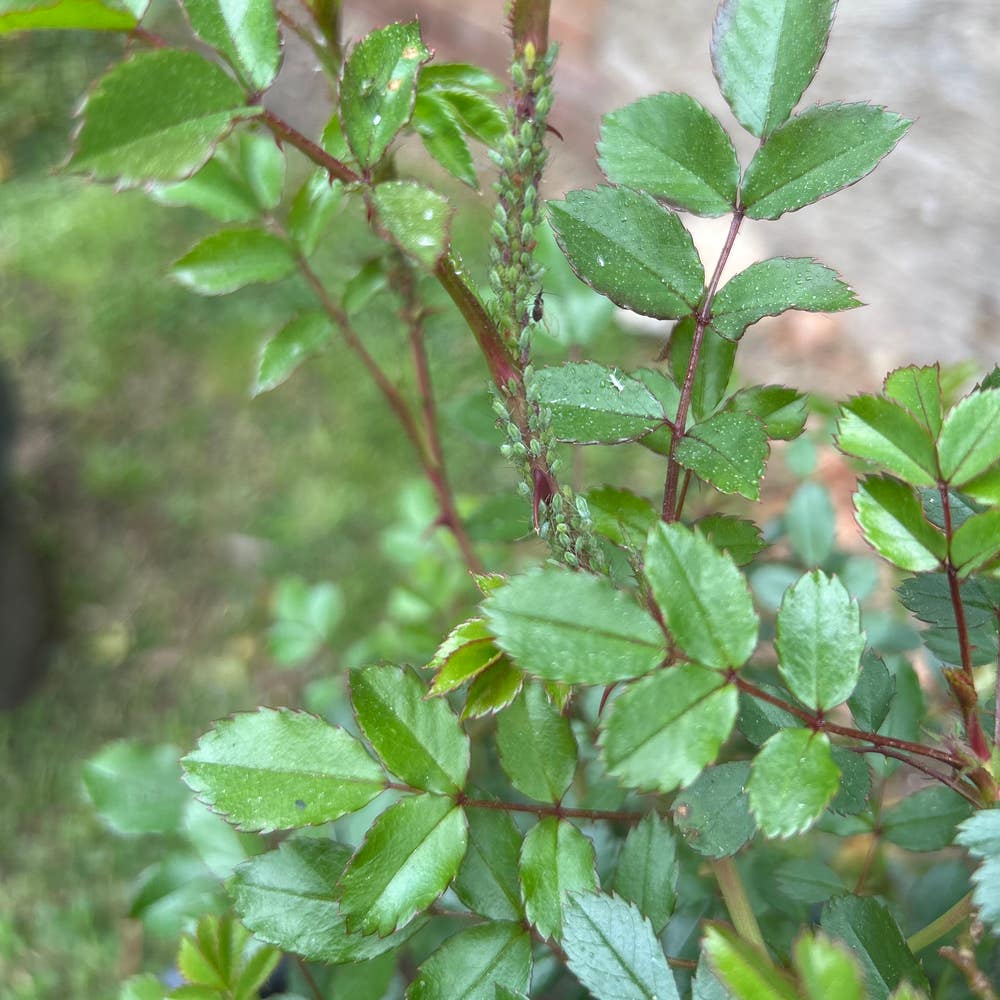
🌹 Salmon Rose: Not an Annual
Rosa spp.
By the Greg Editorial Team
Nov 23, 2024•3 min read
This article was created with the help of AI so we can cover more plants for you. May contain errors. See one? Report it here.
- 🌼 Salmon Rose is a perennial, thriving for multiple years unlike annuals.
- 🌱 Deep roots store nutrients, ensuring robust growth each spring.
- 🌍 Misconceptions arise from extreme weather; understanding its traits enhances garden design.
Salmon Rose as a Perennial
🌱 Genetic Characteristics
Salmon Rose boasts a deep and extensive root system, which is essential for efficient nutrient and water absorption. This robust root structure allows the plant to thrive in various soil types and conditions, showcasing its remarkable adaptability.
Specific genetic traits contribute to its perennial nature, promoting resilience and long-term growth. These genes enable Salmon Rose to withstand environmental challenges that would typically hinder annual plants.
🌿 Physiological Traits Supporting Perennial Growth
One of the key physiological traits of Salmon Rose is its seasonal dormancy. This mechanism allows the plant to survive harsh conditions, effectively pausing its growth until the environment becomes more favorable.
Additionally, Salmon Rose has impressive regrowth capabilities. It can sprout new growth from established roots, ensuring a vibrant return each spring. The plant also stores nutrients in its roots, providing essential reserves that support early growth when conditions improve.
📅 Long-Term Lifecycle and Growth Patterns
The lifecycle of Salmon Rose spans multiple years, characterized by distinct growth phases. This multi-year growth cycle allows the plant to adapt and flourish over time.
Seasonally, Salmon Rose exhibits dormancy in winter, transitioning to active growth in spring and summer. Throughout the growing season, it showcases repeated blooming, adding continuous color and interest to gardens.
🌼 Lifecycle Comparison with True Annuals
In contrast to true annuals, which complete their lifecycle in just one year, Salmon Rose takes several years to mature. This extended duration allows for a more complex growth pattern.
When comparing growth stages, Salmon Rose progresses through multiple phases over its lifespan, unlike the rapid cycle of annuals. Furthermore, it produces multiple blooms over several years, offering a more sustained floral display.
🌍 Regional Variations and Misconceptions
In certain conditions, Salmon Rose may be mistakenly treated as an annual. Extreme weather or poor soil conditions can lead to this misconception, as the plant may struggle to thrive.
Geographic variations also play a role in how Salmon Rose is perceived. Climate differences can significantly affect its growth and longevity, leading to varying interpretations of its perennial nature.
🌸 Garden Design Implications
Incorporating Salmon Rose into perennial planting offers numerous advantages, including longevity and seasonal interest. Its ability to thrive year after year makes it a valuable addition to any garden.
To effectively integrate Salmon Rose into garden design, consider companion planting and strategic design strategies. This approach enhances the overall aesthetic and health of your garden.
🔧 Maximizing Longevity
To ensure Salmon Rose thrives as a perennial, management tips such as proper pruning techniques and watering guidelines are essential. These practices help maintain the plant's health and vigor.
Additionally, implementing strategies for enhancing growth and flowering over time is crucial. Seasonal care and pest management can significantly impact the plant's performance, ensuring it remains a stunning feature in your garden.
As you explore the world of Salmon Rose, remember that its perennial nature offers endless possibilities for your garden. Embrace its unique characteristics and enjoy the beauty it brings year after year.
⚠️ Safety First
This content is for general information and may contain errors, omissions, or outdated details. It is not medical, veterinary advice, or an endorsement of therapeutic claims.
Always consult a qualified healthcare professional before using any plant as food, medicine, or supplement.
Never eat any plant (or feed one to pets) without confirming its identity with at least two trusted sources.
If you suspect poisoning, call Poison Control (800) 222-1222, the Pet Poison Helpline (800) 213-6680, or your local emergency service immediately.
Spotted an error? Please report it here.
Celebrate the enduring beauty of Salmon Rose 🌹 by using Greg's personalized care tips and reminders to keep your garden blooming year after year!