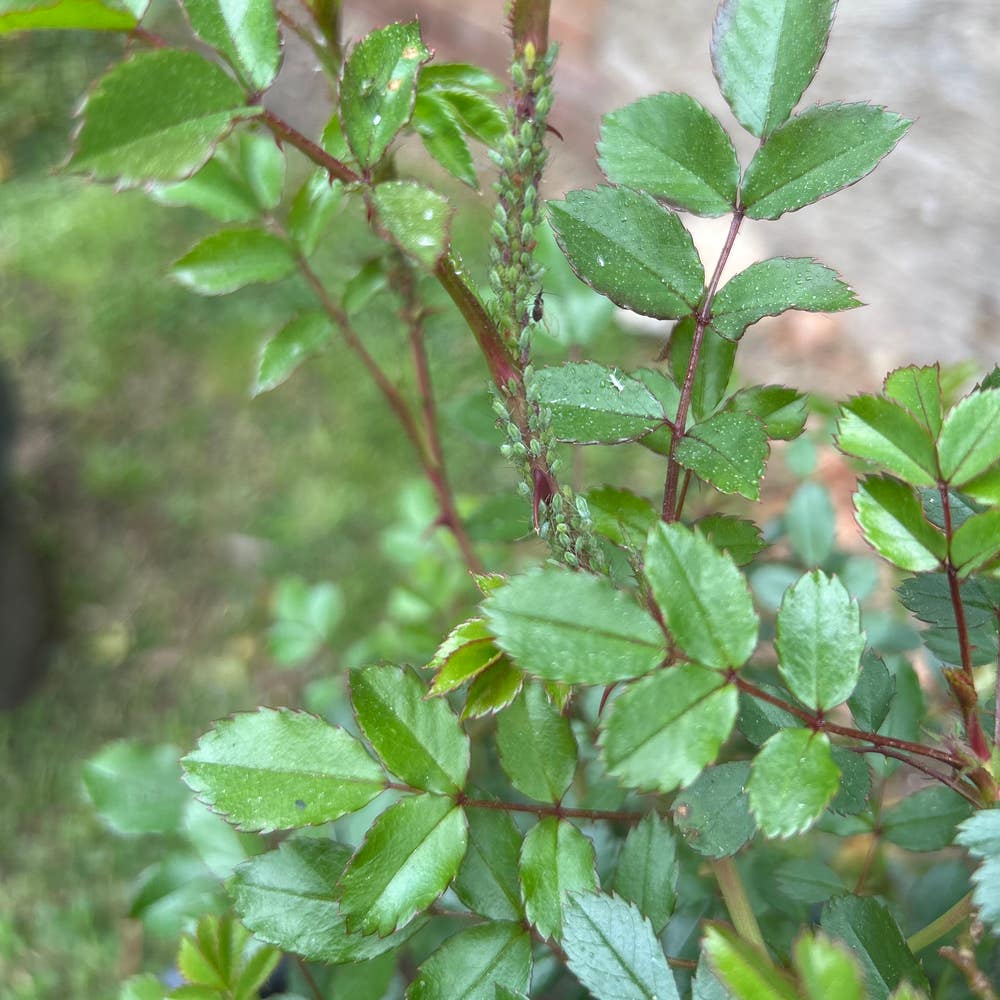
Where Can Salmon Rose Grow? Zones 3a-11b 🌹
Rosa spp.
By the Greg Editorial Team
Nov 23, 2024•5 min read
This article was created with the help of AI so we can cover more plants for you. May contain errors. See one? Report it here.
- 🌍 Salmon Rose thrives in hardiness zones 3a-11b, adapting to diverse climates.
- ❄️ Exceptional cold tolerance allows survival in temperatures as low as -40°F (-40°C).
- ☀️💧 Full sun and consistent moisture are key for optimal growth and blooming.
Temperature Tolerance
❄️ Cold Tolerance Specifics
Salmon Rose can withstand frigid temperatures as low as -40°F (-40°C) in zone 3a. This remarkable cold tolerance is due to specific adaptations that enable the plant to survive harsh winters.
Frost tolerance is crucial for early spring growth, allowing Salmon Rose to emerge and thrive when temperatures begin to rise. This resilience makes it an excellent choice for gardeners in colder climates.
☀️ Heat Tolerance Specifics
On the flip side, Salmon Rose thrives in summer temperatures reaching up to 100°F (37.8°C). However, heat stress can pose challenges, making it essential to implement mitigation strategies.
Moisture retention becomes vital in hot climates to ensure the plant remains hydrated and healthy. Proper irrigation practices can help combat the effects of extreme heat.
🌡️ Ideal Temperature Ranges for Optimal Growth
For optimal growth, Salmon Rose flourishes within a temperature range of 60°F to 80°F (15.5°C to 26.7°C). Seasonal temperature variations can significantly impact blooming and overall plant health.
Acclimatization to local temperature conditions is important for successful cultivation. Understanding your specific climate will help you provide the best care for your Salmon Rose plants.
As we explore the ideal growing regions next, consider how temperature tolerance plays a pivotal role in selecting the right environment for your Salmon Rose.
Ideal Growing Regions
🌍 Examples of Suitable US States
Salmon Rose thrives in a variety of climates across the United States, particularly in hardiness zones 3a to 11b.
Northern States: Minnesota and Wisconsin are prime examples, showcasing the plant's impressive cold tolerance. These regions experience harsh winters, yet Salmon Rose adapts well, making it a resilient choice for gardeners in colder climates.
Southern States: On the flip side, Florida and Texas offer the heat tolerance that Salmon Rose needs to flourish in warmer temperatures. These states provide the sunny, warm conditions that promote robust growth and vibrant blooms.
🌱 Factors Contributing to Ideal Conditions
To cultivate Salmon Rose successfully, certain environmental factors must be considered.
Soil Preferences: This plant favors well-drained, loamy soils that retain moisture without becoming waterlogged. The right soil composition is crucial for healthy root development.
Sunlight Requirements: Full sun exposure is essential for optimal blooming. Salmon Rose needs at least six hours of direct sunlight daily to produce its stunning flowers.
Moisture Needs: Balancing irrigation is vital, especially in varying climates. While Salmon Rose can tolerate some drought, consistent moisture helps maintain its health and vibrancy.
Understanding these ideal growing conditions will set you up for success in cultivating Salmon Rose, whether you're in the chilly north or the sunny south. Next, we’ll explore how microclimates can further extend the growing range of this beautiful plant.
Microclimates and Their Impact
🌱 How Microclimates Extend Growing Range
Microclimates can significantly alter the growing conditions for Salmon Rose, allowing this resilient plant to thrive even in colder zones. For instance, areas that experience warmer conditions due to localized factors can support Salmon Rose growth outside the typical hardiness zones.
These microclimates can be influenced by various elements, such as topography, bodies of water, and urban development. Understanding these factors can help gardeners maximize their growing potential.
🌊 Examples of Microclimates
Coastal Microclimates
Coastal areas often enjoy milder winters and cooler summers, creating a unique environment for Salmon Rose. The proximity to the ocean moderates temperature fluctuations, providing a more stable climate.
🏙️ Urban Microclimates
Cities can create urban microclimates characterized by heat retention. The abundance of concrete and asphalt absorbs and radiates heat, allowing plants like Salmon Rose to flourish in otherwise unsuitable conditions.
⛰️ Mountainous Regions
Mountainous areas present their own set of microclimates, with variations in temperature and moisture levels. Elevation changes can lead to pockets of warmth, enabling Salmon Rose to grow in places that might otherwise be too cold.
Understanding these microclimates is essential for gardeners looking to cultivate Salmon Rose successfully. By recognizing the unique conditions in their area, they can make informed decisions about planting and care.
As we explore state-level suitability analysis next, we'll delve into specific regions where these microclimates play a crucial role in the growth of Salmon Rose.
State-Level Suitability Analysis
Suitable States Within Hardiness Zones 🌱
Growing Salmon Rose is a rewarding endeavor, especially in states that fall within hardiness zones 3a to 11b. Here’s a comprehensive list of states where these beautiful plants can thrive:
Northern States:
- Minnesota: Known for its cold winters, it offers the perfect environment for Salmon Rose, which can withstand temperatures as low as -40°F.
- Wisconsin: Similar to Minnesota, Wisconsin's climate supports the cold tolerance of Salmon Rose.
Southern States:
- Florida: With its warm climate, Florida provides the heat tolerance necessary for Salmon Rose to flourish.
- Texas: Texas also supports these plants, especially in areas that maintain adequate moisture levels.
Each of these states has unique climate characteristics that contribute to the successful growth of Salmon Rose. Understanding these nuances can help gardeners make informed decisions.
Unsuitable States and Challenges 🚫
While many states are suitable for growing Salmon Rose, some fall outside the 3a-11b range. These include:
- Alaska: Extreme cold can hinder growth.
- Arizona: Prolonged heat and lack of moisture pose significant challenges.
In these unsuitable states, the challenges are clear. Extreme cold can lead to plant death, while excessive heat can stress the plants, making it difficult for them to thrive.
Specific Challenges in Unsuitable States ⚠️
In states with harsh winters, the survival of Salmon Rose is at risk. The freezing temperatures can damage roots and hinder growth.
Conversely, in warmer regions, heat stress and drought can severely impact these plants. Without adequate moisture, Salmon Rose struggles to maintain its health and vibrancy.
Local climate considerations are crucial for successful cultivation. Understanding the specific challenges of your area can help you adapt your gardening strategies for the best results.
As we explore the next section, we'll delve into the fascinating world of microclimates and how they can extend the growing range of Salmon Rose.
⚠️ Safety First
This content is for general information and may contain errors, omissions, or outdated details. It is not medical, veterinary advice, or an endorsement of therapeutic claims.
Always consult a qualified healthcare professional before using any plant as food, medicine, or supplement.
Never eat any plant (or feed one to pets) without confirming its identity with at least two trusted sources.
If you suspect poisoning, call Poison Control (800) 222-1222, the Pet Poison Helpline (800) 213-6680, or your local emergency service immediately.
Spotted an error? Please report it here.
Cultivating Salmon Rose is thrilling 🌹 when you leverage Greg's tailored care tips to provide the perfect moisture and sunlight for success across diverse climates!