Best Tips for Blooming Salmon Rose 🌹
Rosa spp.
By the Greg Editorial Team
Nov 23, 2024•4 min read
This article was created with the help of AI so we can cover more plants for you. May contain errors. See one? Report it here.
- 🌸 Salmon Roses bloom in stages, lasting 2-3 weeks for extended enjoyment.
- ☀️ Require 6-8 hours of sunlight and consistent moisture for abundant blooms.
- 🌱 Pruning and fertilizing enhance growth and vibrancy of Salmon Roses.
If Salmon Rose Flowers
🌸 Flower Characteristics
The Salmon Rose is known for its stunning, vibrant hues that can range from soft pink to deep coral, influenced by environmental conditions. The flowers feature a unique structure, with petals that are often arranged in a layered fashion, creating a visually appealing display.
Self-pollination is a remarkable trait of the Salmon Rose, allowing it to produce seeds without the need for external pollinators. This adaptability ensures that even in less-than-ideal conditions, the plant can thrive and reproduce.
🌼 Blooming Process
The blooming process of the Salmon Rose unfolds in distinct stages: bud formation, opening, and full bloom. Typically, these flowers bloom from late spring to early summer, bringing a burst of color to gardens.
From the initial bud formation to full bloom, the average duration is about 2-3 weeks. This relatively quick transformation showcases the plant's vitality and resilience.
🌺 Lifespan of Flowers
Once in full bloom, the flowers of the Salmon Rose have a lifespan of several weeks before they begin to wilt. This allows for an extended period of enjoyment, making them a favorite among gardeners.
🌷 Encouraging Blooms
To encourage abundant blooms, ensure your Salmon Rose receives adequate sunlight, ideally 6-8 hours of direct light each day. Consistent moisture is crucial, so water the plant regularly without causing waterlogging.
Fertilization plays a key role during the growing season; using a balanced fertilizer can significantly enhance blooming. Additionally, environmental factors such as temperature, humidity, and soil quality can influence flowering.
✂️ Pruning Practices
Proper pruning techniques can also impact blooming. Timing your pruning correctly can promote healthier growth and more vibrant flowers, ensuring your Salmon Rose remains a stunning focal point in your garden.
🌱 Post-Flowering
After the flowering period, the Salmon Rose transitions to foliage growth and seed development. It's important to note that this plant does not die after flowering; it continues to grow and thrive, readying itself for the next blooming cycle.
🐝 Pollination
The Salmon Rose's self-pollination capabilities are a fascinating aspect of its reproductive strategy. While it can thrive without external pollinators, manual pollination techniques can be employed if desired, ensuring optimal seed production.
Understanding these aspects of the Salmon Rose not only enhances your gardening experience but also deepens your appreciation for this resilient plant. As we explore further, let’s delve into what happens when the Salmon Rose doesn’t flower.
If Salmon Rose Doesn't Flower
🌿 Ornamental Features
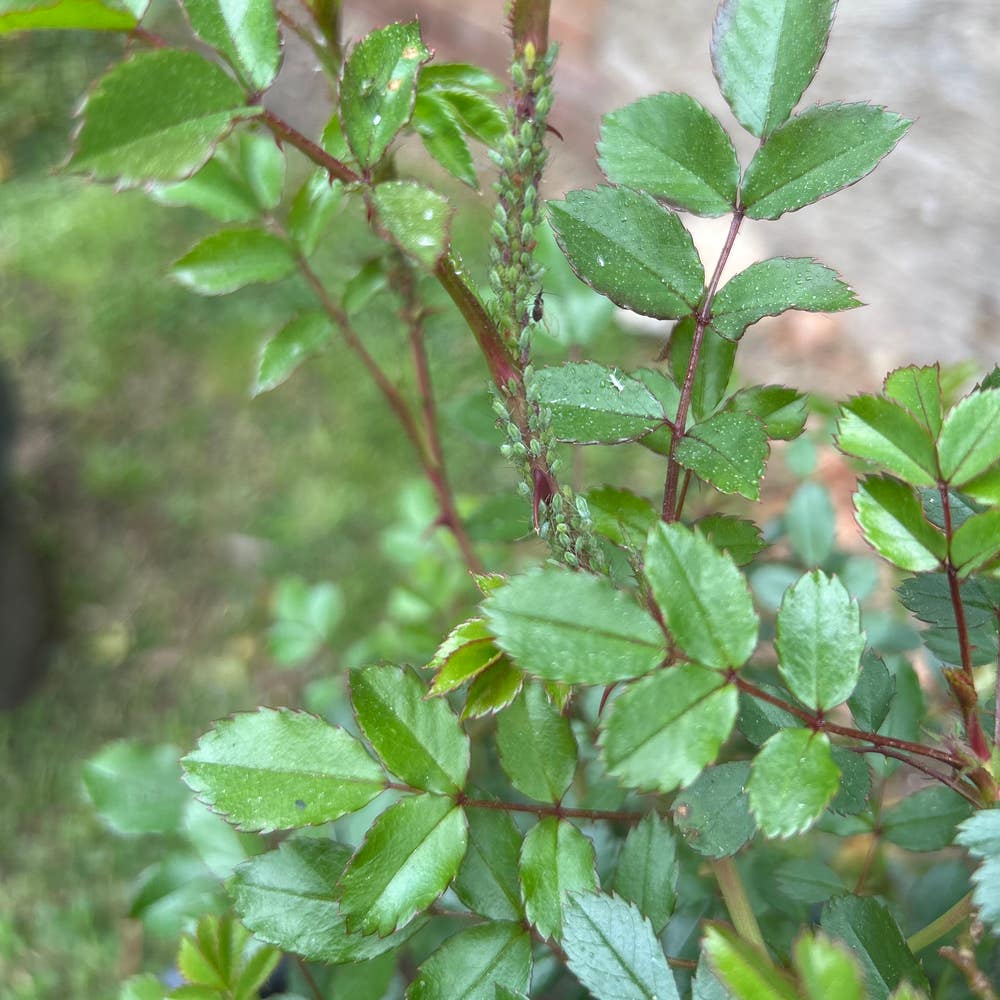
Even when the Salmon Rose isn't in bloom, it still shines in the garden. Its attractive foliage remains vibrant and lush, providing a beautiful backdrop that enhances any landscape.
This plant is a fantastic choice for landscaping and garden design. Its rich green leaves add texture and depth, making it a versatile option for various aesthetic themes.
🌱 Reproduction
Salmon Rose has some clever tricks up its sleeve when it comes to reproduction. Even without flowers, it can thrive through vegetative propagation methods.
You can propagate Salmon Rose using cuttings or division. These methods allow the plant to continue its legacy, ensuring that even without blooms, it can flourish and spread.
With these insights, you can appreciate the resilience of Salmon Rose, whether it's flowering or not. Next, let’s explore the unique aspects of this remarkable plant.
Unique Aspects
🌈 Flower Color and Structure Variability
One of the most fascinating characteristics of the Salmon Rose is its variability in flower color and structure. Depending on environmental factors such as soil quality, sunlight, and moisture levels, the vibrant salmon hues can range from soft pastels to deep, rich tones.
🦸♀️ Adaptations for Survival
Salmon Roses have developed unique adaptations that enhance their survival and reproductive success. These plants can thrive in various conditions, showcasing resilience that allows them to flourish even when faced with challenges like drought or poor soil.
🎉 Cultural Significance
Historically, Salmon Roses have held cultural significance in various gardening traditions. They are often celebrated for their beauty and are used in landscaping to create stunning visual displays, making them a favorite among gardeners and horticulturists alike.
🌱 Reproductive Strategies
In addition to their striking appearance, Salmon Roses exhibit intriguing reproductive strategies. They can reproduce through self-pollination, ensuring seed production even in the absence of external pollinators, which is a remarkable survival trait.
🤓 Trivia and Fun Facts
Did you know that Salmon Roses can also reproduce vegetatively? Methods such as cuttings or division allow these plants to spread and thrive, even when flowering is not occurring. This versatility makes them a resilient choice for any garden.
As we explore the unique aspects of Salmon Roses, it's clear that their beauty is matched only by their adaptability. Next, we will delve into the ornamental features that make these plants a staple in landscaping.
⚠️ Safety First
This content is for general information and may contain errors, omissions, or outdated details. It is not medical, veterinary advice, or an endorsement of therapeutic claims.
Always consult a qualified healthcare professional before using any plant as food, medicine, or supplement.
Never eat any plant (or feed one to pets) without confirming its identity with at least two trusted sources.
If you suspect poisoning, call Poison Control (800) 222-1222, the Pet Poison Helpline (800) 213-6680, or your local emergency service immediately.
Spotted an error? Please report it here.
Unlock the vibrant blooms of your Salmon Roses 🌹 with Greg's tailored care tips and reminders for optimal sunlight and moisture!