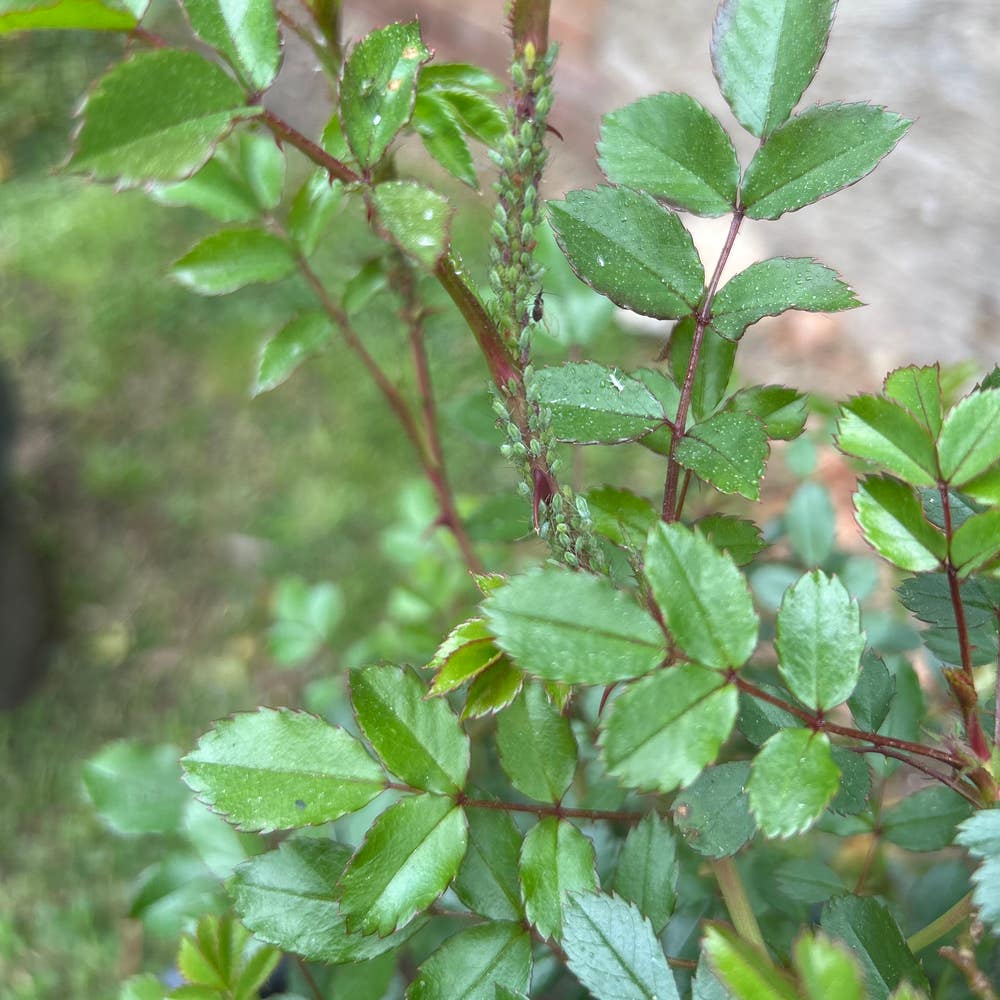
What to Do About Your Salmon Rose Wilting 🌹
Rosa spp.
By the Greg Editorial Team
Nov 23, 2024•6 min read
This article was created with the help of AI so we can cover more plants for you. May contain errors. See one? Report it here.
- 💧 Water stress from under or over-watering causes wilting in salmon roses.
- ☀️ Heat stress leads to crispy edges and yellowing; provide shade during hot weather.
- 🌱 Regularly check soil moisture and adjust care to prevent wilting issues.
Common Causes of Wilting Leaves
💧 Water Stress
Water stress is a primary culprit behind wilting leaves. This condition arises from either insufficient or excessive water, leading to droopy leaves and dry or overly saturated soil.
The unique structure of salmon rose leaves makes them particularly sensitive to moisture levels. A quick check of the soil can reveal whether your plant is thirsty or drowning.
🌡️ Heat Stress
Heat stress occurs when plants are exposed to high temperatures, resulting in dehydration. Symptoms include crispy leaf edges, yellowing, and overall wilting.
Environmental factors play a significant role here. Direct sunlight exposure and high ambient temperatures can exacerbate the situation, making it crucial to monitor your plant's surroundings.
🦠 Disease-Related Wilting
While disease-related wilting is uncommon, it can happen. If you notice wilting accompanied by discoloration or spots, it may indicate a more serious issue.
However, it's important to emphasize that healthy plants rarely suffer from diseases that cause wilting. Regular care and attention can help prevent such occurrences, keeping your salmon rose thriving.
Diagnosing Wilting
Step-by-Step Guide 🌱
Assess soil moisture: Start by checking the top inch of the soil. Is it dry or overly saturated?
Evaluate environmental conditions: Measure the temperature and humidity levels. Also, take note of how long and how intensely your plant is exposed to light.
Inspect leaves: Look closely for any signs of discoloration, spots, or pests. These can be critical indicators of underlying issues.
Consider recent care changes: Reflect on any adjustments you've made to your plant's care routine. Have you changed the watering schedule, fertilization, or moved the plant recently?
Signs to Look for 👀
Leaf texture: Pay attention to the softness or crispiness of the leaves. These textures can signal water or heat stress.
Color changes: Yellowing or browning leaves are often clear indicators of stress. They can tell you a lot about your plant's health.
Growth patterns: Observe your plant's growth. Stunted growth or a leggy appearance can suggest that something is off.
Diagnosing wilting in your Salmon Rose is essential for effective care. By following these steps and recognizing the signs, you can take action to revive your plant. Next, let’s explore practical solutions to address the wilting issue effectively.
Solutions for Wilting
🌊 Addressing Water Stress
Water stress is a common culprit behind wilting leaves. If your Salmon Rose is under-watered, follow these steps:
Water Thoroughly: Give your plant a good soak until excess water drains from the bottom of the pot. This ensures the roots get the moisture they need.
Set a Schedule: Use a plant care app to establish a consistent watering routine. Regular reminders can help you avoid future droughts.
Conversely, if over-watering is the issue, take these actions:
Dry Out the Soil: Allow the soil to dry completely before watering again. This helps prevent root rot and other moisture-related problems.
Check Drainage: Ensure your pot has proper drainage holes. Good drainage is essential for healthy roots.
☀️ Addressing Heat Stress
Heat stress can also lead to wilting, especially during hot weather. Here’s how to tackle it:
Relocate Your Plant: Move it to a shadier spot or use sheer curtains to diffuse harsh sunlight. This can help protect the leaves from scorching.
Monitor Conditions: Keep an eye on temperature and humidity levels. Regular checks can help you adjust care as needed.
For watering adjustments during heat waves:
- Increase Frequency: Water more often to keep the soil moist but not soggy. This balance is crucial for your plant’s recovery.
🌱 Reviving a Wilted Plant
If your Salmon Rose is already wilting, don’t despair! Here’s a quick revival plan:
Bottom Watering: Place the pot in a shallow tray of water for about 30 minutes. This allows the roots to absorb moisture directly.
Temporary Relocation: Move your plant to a more stable environment with consistent humidity and temperature. A little change can make a big difference.
Prune Damaged Leaves: Use clean, sharp scissors to trim away wilted or damaged foliage. This helps the plant focus its energy on new growth.
With these solutions, you can bring your Salmon Rose back to life. Remember, a little care goes a long way in nurturing your plant’s health!
Preventive Measures
Best Practices 🌱
To keep your Salmon Rose thriving, regular monitoring of soil moisture and environmental conditions is essential. Check the soil frequently to ensure it’s neither too dry nor too soggy.
Establishing a consistent watering routine tailored to your plant's needs will help maintain its health. Consider using a plant care app for reminders to keep your schedule on track.
Using well-draining soil is crucial to prevent water accumulation, which can lead to root rot. A mix designed for succulents or cacti often works well for these plants.
Environmental Considerations 🌍
Creating the right environment is key for your Salmon Rose. Aim for ideal humidity levels between 40-60% to mimic its native habitat.
Maintain a temperature range of 18°C to 24°C (65°F to 75°F) for optimal growth. This temperature range helps your plant stay hydrated and healthy.
Light exposure is another critical factor. Provide bright, indirect light to prevent heat stress and ensure your plant receives the energy it needs to thrive.
By implementing these preventive measures, you can significantly reduce the chances of wilting and keep your Salmon Rose flourishing. With the right care, your plant will not only survive but thrive, bringing beauty to your space.
Seeking Help
When to Consult a Local Nursery 🌱
If your salmon rose continues to wilt despite your best care efforts, it might be time to seek professional advice. Persistent wilting can indicate underlying issues that require expert attention, especially if you notice unfamiliar symptoms like discoloration or unusual spots.
Engaging with the Online Community 🌍
Don’t underestimate the power of community! Online platforms can be a treasure trove of advice and support from fellow plant enthusiasts. Sharing your experiences and seeking tips can provide fresh insights and solutions that you might not have considered.
Connecting with others who share your passion for plants can be both uplifting and informative. Remember, you’re not alone in this journey—many have faced similar challenges and are eager to help.
As you navigate the ups and downs of plant care, keep in mind that seeking help is a sign of a dedicated owner. With the right support and knowledge, your salmon rose can flourish once again.
Encouragement for Owners
Wilting is a common issue that many plant owners face, but the good news is that it can often be resolved with proper care. Remember, your salmon rose is resilient and just needs a little attention to bounce back.
Knowledge is your best ally in maintaining plant health. By understanding the specific needs of your plant, you can take proactive measures to prevent wilting in the future.
Stay positive! With the right care and a bit of patience, your plant can thrive again. Embrace the journey of plant ownership, and don’t hesitate to learn from each experience. Your efforts will pay off, and soon you'll be rewarded with vibrant, healthy foliage.
⚠️ Safety First
This content is for general information and may contain errors, omissions, or outdated details. It is not medical, veterinary advice, or an endorsement of therapeutic claims.
Always consult a qualified healthcare professional before using any plant as food, medicine, or supplement.
Never eat any plant (or feed one to pets) without confirming its identity with at least two trusted sources.
If you suspect poisoning, call Poison Control (800) 222-1222, the Pet Poison Helpline (800) 213-6680, or your local emergency service immediately.
Spotted an error? Please report it here.
Keep your salmon rose thriving 🌹 by using Greg's tailored watering reminders and expert community support to tackle wilting and ensure optimal growth!