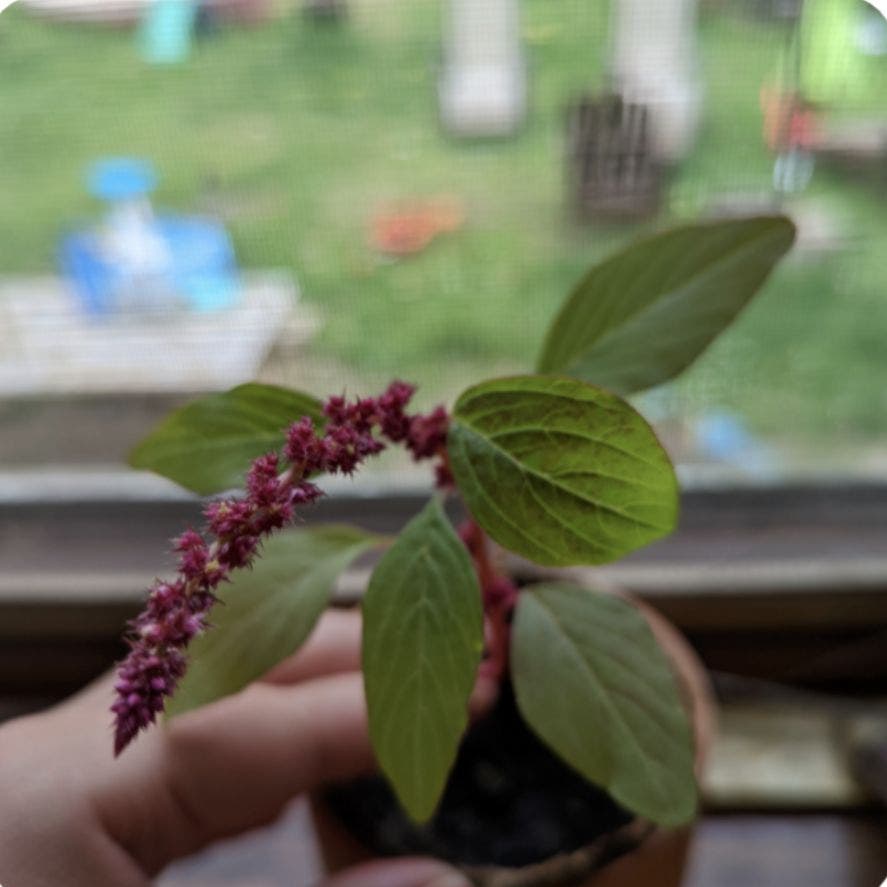
Prince-of-wales Feather - Ultimate Guide to Fertilizing
Amaranthus hypochondriacus
By the Greg Editorial Team
Apr 17, 2024•5 min read
This article was created with the help of AI so we can cover more plants for you. May contain errors. See one? Report it here.
Fertilize for flourish! 🌺 Learn the secret to Prince-of-wales Feather's vibrant blooms.
- Phosphorus-rich fertilizer is key for Prince-of-wales Feather's vibrant blooms.
- Organic vs. synthetic: slow nutrient release or immediate boost.
- Fertilize in spring to start growth, consistently in summer, reduce in autumn.
Choosing the Right Fertilizer for Your Prince-of-wales Feather
💚 Organic vs. Synthetic: Which Suits the Prince Best?
In the realm of Prince-of-wales Feather fertilization, the organic versus synthetic debate is akin to choosing between a vinyl record and a streaming service. Organic fertilizers are the classics, releasing nutrients as they break down, improving soil structure along the way. They're a nod to the traditionalist, nurturing your plant with a gentle, long-term approach. Synthetic fertilizers, however, are the modern drop. They deliver nutrients swiftly, ensuring your plant doesn't miss a beat. But beware, they can be a one-hit-wonder, potentially leading to nutrient build-up and harming the environment if overused.
🌸 Decoding N-P-K Ratios for Flowering Success
The N-P-K ratio is the plant world's version of a nutrition label. For the Prince-of-wales Feather, a mix rich in phosphorus (the 'P' in the trio) is key to unlocking those vibrant blooms. Nitrogen promotes leafy growth, while potassium ensures overall health. But it's phosphorus that's the maestro of flowers, orchestrating a show-stopping performance come blooming season.
🌱 The Lowdown on Slow-Release vs. Liquid Fertilizers
When it comes to slow-release versus liquid fertilizers, think of it as the difference between a crockpot and a microwave. Slow-release fertilizers are the set-it-and-forget-it option, gradually providing sustenance over months. They're perfect for gardeners who prefer to fertilize sparingly. On the other hand, liquid fertilizers are the quick meal fix, offering an almost immediate nutrient boost but requiring more frequent applications. Your Prince-of-wales Feather will thrive with either, provided you match the method to your maintenance style and the plant's needs.
Timing is Everything: When to Fertilize for Peak Blooms
🌱 Spring Awakening: Kickstarting Your Plant's Growth
In the spring, your Prince-of-wales Feather is like an athlete shaking off winter's slumber, ready to sprint. Fertilize as new growth appears, setting the stage for those vibrant blooms. It's the starting gun for your plant's seasonal race.
☀️ Summer Lovin': Maintaining Bloom Vitality
Summer demands consistency. Keep up with fertilization to fuel your plant's blooming marathon. It's the energy bar that keeps your Prince-of-wales Feather pumping out flowers. Remember, though, more isn't always better. Stick to a schedule that keeps your plant thriving without the risk of nutrient overdose.
🍂 Winding Down: Preparing for Fall and Winter
As autumn approaches, it's time to ease off the gas. Reduce fertilization to help your plant wind down. It's like prepping for hibernation; too much food and your plant might get the wrong message. Let it rest, and you'll be rewarded with a robust return come next spring.
Fertilizing Techniques for a Flourishing Prince-of-wales Feather
🌱 The Dos and Don'ts of Fertilizer Application
Fertilizing your Prince-of-wales Feather isn't just tossing nutrients at it and hoping for the best. It's a strategic game. Always apply fertilizer to moist soil to prevent root burn. Never fertilize dry soil; it's like pouring vodka on an empty stomach – harsh and damaging.
Avoid getting fertilizer on the leaves. It's not a spa treatment; it's a meal, and it goes to the roots. If granules do land on the foliage, brush them off. Think of it like crumbs on a bedsheet – uncomfortable and unnecessary.
📏 How Much is Too Much? Getting the Quantity Right
Overdoing it with fertilizer is like overfeeding a goldfish – it can lead to a messy demise. Stick to the recommended dosage on the fertilizer package. When in doubt, err on the side of caution and use less. Remember, you can always add more, but you can't take it away once it's there.
A light hand is your best friend when it comes to fertilizing. Think of it as seasoning food; you can always add a bit more to taste, but too much ruins the dish.
🎯 The Art of Root Zone Fertilizing
Root zone fertilizing is like targeted therapy for plants. It delivers nutrients right where they're needed – the roots. To do this, create a moat around the base of the plant and pour your diluted liquid fertilizer into it. This way, the roots get a direct hit of the good stuff, without any waste.
For granular types, sprinkle them in a circle around the plant's drip line – the area directly below the outermost reach of the branches. It's like setting the table for dinner; you're placing everything just within reach. Then, water it in to help the nutrients seep down to the roots, avoiding any dry pockets.
Rescuing an Over-Fertilized Prince-of-wales Feather
🚨 Spotting the Tell-Tale Signs of Fertilizer Overload
If your Prince-of-wales Feather is looking more like a court jester, over-fertilization might be to blame. Yellowing leaves, a white crust on the soil, and stunted growth are the plant's SOS signals. Browning leaf tips and wilting despite damp soil scream "I'm stuffed!" and not in a good way.
💊 The Recovery Plan: Steps to Rejuvenate Your Plant
When your plant's had too much of a good thing, it's time for an intervention. Stop fertilizing immediately—no "just one more scoop" excuses. Remove any visible fertilizer from the soil; think crime scene clean-up. Now, flush the soil with water to rinse out the excess nutrients. It's like a spa detox for your plant.
Repeat the flushing every few days, as if you're rinsing away your plant's sins. Trim away the damaged foliage; it's not coming back, and your plant can do without the dead weight. In extreme cases, repotting in fresh soil can be the fresh start your plant desperately needs.
Hold off on the nutrient party for at least a month. Your plant needs time to recover from its nutrient hangover. When you do resume fertilizing, do so with the caution of someone who's learned their lesson the hard way. Keep an eye on your plant like it's the plot twist in a thriller—any sign of distress, and it's time to reassess.
⚠️ Safety First
This content is for general information and may contain errors, omissions, or outdated details. It is not medical, veterinary advice, or an endorsement of therapeutic claims.
Always consult a qualified healthcare professional before using any plant as food, medicine, or supplement.
Never eat any plant (or feed one to pets) without confirming its identity with at least two trusted sources.
If you suspect poisoning, call Poison Control (800) 222-1222, the Pet Poison Helpline (800) 213-6680, or your local emergency service immediately.
Spotted an error? Please report it here.
Ensure your Prince-of-wales Feather flourishes with timely fertilization reminders 🌱 from Greg, tailored to keep your blooms vibrant without the risk of over-fertilization.