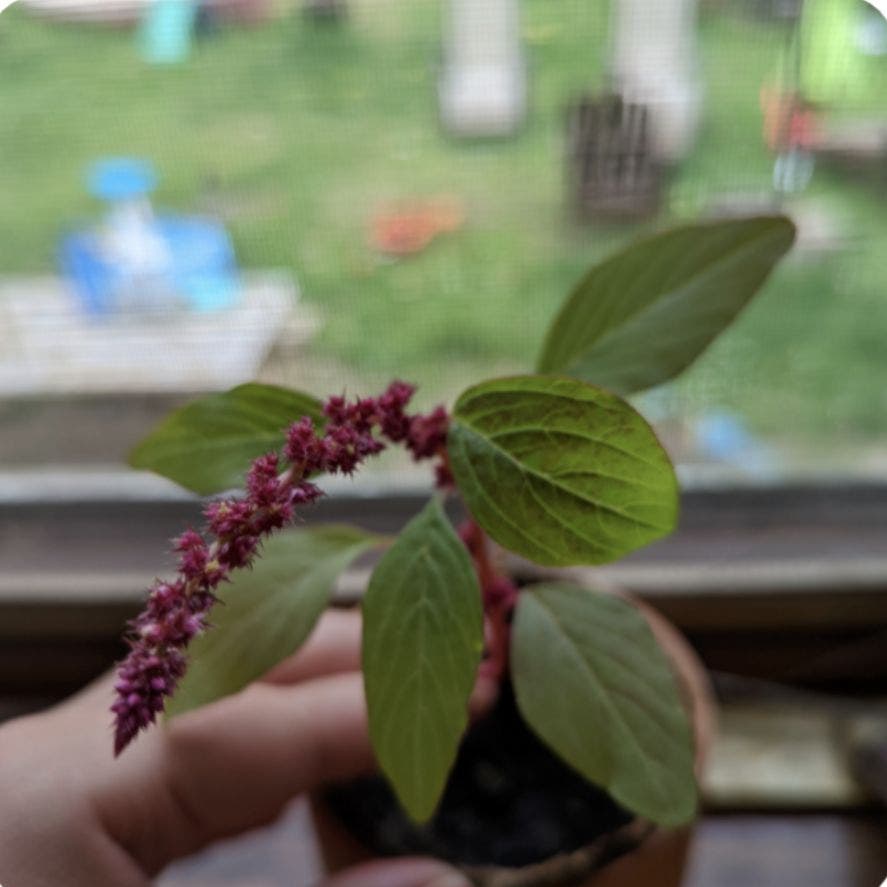
🌡 Good Temperature Range for Your Prince-of-Wales Feather
Amaranthus hypochondriacus
By the Greg Editorial Team
Sep 29, 2024•4 min read
This article was created with the help of AI so we can cover more plants for you. May contain errors. See one? Report it here.
Shield your Prince-of-Wales feather from temperature stress 🌡️ for thriving growth and vibrant health all year long!
- 🌡️ Heat stress signs include wilting leaves and browning tips. Monitor closely!
- ❄️ Cold stress symptoms like yellowing leaves indicate your plant needs immediate care.
- 🌱 Stable temperatures are essential for a thriving Prince-of-Wales feather. Keep it cozy!
Temperature Stress Symptoms
🌡️ Signs of Heat Stress
Heat stress can be a real challenge for your Prince-of-Wales feather. Look out for wilting or drooping leaves, which are often the first signs that your plant is struggling.
Additionally, browning tips or edges of leaves indicate that the plant is not happy. You might also notice stunted growth or slowed development, which can be frustrating for any plant enthusiast.
Leaf curling or crinkling is another telltale sign of heat stress. If you see these symptoms, it’s time to take action to protect your plant.
❄️ Signs of Cold Stress
Cold stress presents its own set of symptoms. Yellowing leaves, especially on older foliage, can signal that your plant is feeling the chill.
You may also notice leaf drop or premature shedding, which can be alarming. Slowed growth or dormancy is common during colder months, so don’t panic if your plant seems to slow down.
Lastly, soft, mushy stems can indicate potential rot, a serious issue that arises from prolonged exposure to cold. Keeping an eye on these signs will help you maintain a healthy plant.
Understanding these symptoms is crucial for your Prince-of-Wales feather's well-being. Next, let’s explore the causes of temperature stress and how to prevent it.
Causes of Temperature Stress
🌡️ Environmental Factors
Temperature stress in your Prince-of-Wales feather can often stem from environmental factors. Sudden temperature fluctuations, such as drastic day-night variations, can shock your plant.
Drafts or direct heat sources can exacerbate this issue. If your plant is near a window or door that isn’t well-insulated, it may suffer from inconsistent temperatures.
❌ Common Mistakes
Many plant owners unknowingly contribute to temperature stress through common mistakes. Overexposing your Prince-of-Wales feather to direct sunlight during peak hours can lead to overheating.
Additionally, placing your plant near heating or cooling vents can result in constant exposure to extreme temperatures. This can disrupt its natural growth patterns and lead to stress.
Understanding these causes is crucial for maintaining a healthy plant. By avoiding these pitfalls, you can create a more stable environment for your Prince-of-Wales feather, ensuring it thrives.
Next, let’s explore how seasonal changes can impact your plant’s temperature needs.
Seasonal Considerations
Temperature Changes Throughout the Year 🌡️
Understanding seasonal temperature variations is crucial for the health of your Prince-of-Wales feather. In spring and fall, moderate temperatures create an ideal environment for growth.
During summer, keep a close eye on your plant for signs of heat stress. It may require additional shade to thrive under the intense sun.
In winter, protecting your plant from cold drafts is essential. Maintaining warmth indoors will help prevent stress and ensure healthy growth.
Preparing for Seasonal Shifts 🌱
To help your plant acclimatize, gradually expose it to outdoor conditions as spring approaches. This slow transition can make a significant difference in its resilience.
Indoor temperature management is vital during the colder months. Keeping your space warm and cozy will support your plant's health.
Regular temperature monitoring is key to successful care. Using thermometers or temperature apps can provide accurate readings, allowing you to respond promptly to any fluctuations.
By staying proactive about seasonal changes, you can ensure your Prince-of-Wales feather remains vibrant and thriving throughout the year. Next, let’s explore the geographic considerations that influence its growth.
Geographic Considerations
Best Climates for Growth 🌍
The Prince-of-Wales feather thrives in warm, temperate climates, particularly those found in South Africa. For outdoor cultivation, USDA zones 9-11 provide the ideal growing conditions, ensuring your plant can flourish without temperature stress.
Indoor vs. Outdoor Temperature Management 🌡️
Indoor Care
To keep your Prince-of-Wales feather happy indoors, aim for stable temperatures within its optimal range. Consider using grow lights and heating mats to create a cozy environment, especially during cooler months.
Outdoor Care
When it comes to outdoor care, providing shade during extreme heat is essential. Additionally, using protective covers during cold snaps can help prevent stress and keep your plant thriving.
By understanding the geographic and temperature management needs of your Prince-of-Wales feather, you can create an environment that promotes healthy growth and resilience. This knowledge will set you up for success as you transition into the next section on seasonal considerations.
⚠️ Safety First
This content is for general information and may contain errors, omissions, or outdated details. It is not medical, veterinary advice, or an endorsement of therapeutic claims.
Always consult a qualified healthcare professional before using any plant as food, medicine, or supplement.
Never eat any plant (or feed one to pets) without confirming its identity with at least two trusted sources.
If you suspect poisoning, call Poison Control (800) 222-1222, the Pet Poison Helpline (800) 213-6680, or your local emergency service immediately.
Spotted an error? Please report it here.
Keep your Prince-of-Wales feather thriving 🌿 by using Greg for personalized tips and reminders to maintain the perfect temperature and prevent stress!