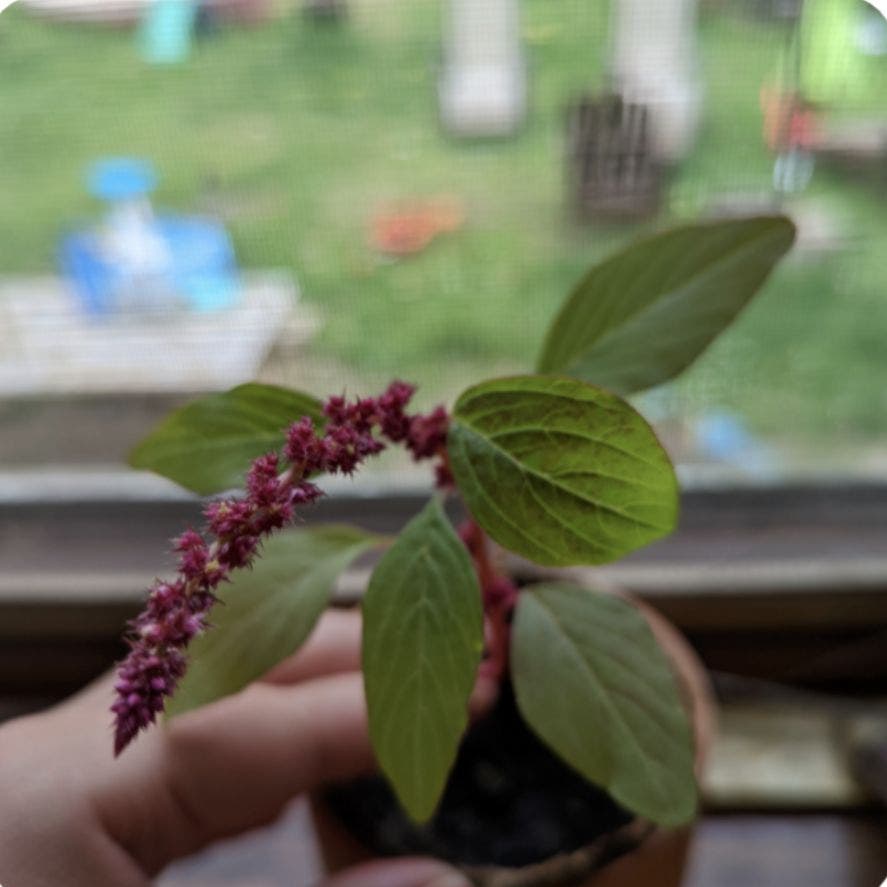
🦚 9 Companions to Boost Your Prince-of-Wales Feather's Growth
Amaranthus hypochondriacus
By the Greg Editorial Team
Sep 29, 2024•5 min read
This article was created with the help of AI so we can cover more plants for you. May contain errors. See one? Report it here.
Elevate your garden's beauty 🌿 and health by discovering the best companion plants for your Prince-of-Wales Feather!
- 🌿 Native ferns and hostas thrive together, enhancing moisture and pest resistance.
- 🌸 Astilbe and bleeding hearts attract pollinators, boosting beauty and ecological value.
- ❌ Avoid sunflowers and mint; they compete and overwhelm the Prince-of-Wales Feather.
Best Companion Plants for Prince-of-Wales Feather
🌿 Native Ferns
Native ferns are excellent companions for the Prince-of-Wales Feather. They thrive in similar conditions, sharing moisture and soil preferences while enhancing biodiversity in your garden.
🌱 Hostas
Hostas are shade-loving perennials known for their large, lush leaves. They provide ground cover, retain moisture, and even deter pests, making them a practical choice for your fern's environment.
🌸 Astilbe
Astilbe is a shade-tolerant perennial that boasts feathery flower spikes. With similar moisture needs, it attracts beneficial pollinators, adding both beauty and ecological value to your garden.
🍃 Japanese Forest Grass
Japanese Forest Grass is an ornamental grass that flourishes in shady spots. Its texture and color beautifully complement the feathery fronds of the Prince-of-Wales Feather, creating a visually appealing landscape.
❤️ Bleeding Heart
The Bleeding Heart is a shade-loving perennial featuring unique heart-shaped flowers. It not only provides visual interest but also attracts pollinators, enhancing the overall health of your garden.
🎨 Coral Bells
Coral Bells are colorful foliage plants that thrive in shade. They enhance visual diversity and attract beneficial insects, making them a vibrant addition to your fern's surroundings.
🌼 Lungwort
Lungwort is an early spring bloomer with distinctive spotted leaves. It serves as effective ground cover and attracts pollinators, contributing to a lively garden ecosystem.
🌺 Toad Lily
Toad Lily is a shade-loving perennial known for its unique flowers. It adds visual interest and thrives in similar conditions, making it a compatible partner for the Prince-of-Wales Feather.
🍂 Wild Ginger
Wild Ginger is a low-growing ground cover with heart-shaped leaves. It retains soil moisture and provides a lush appearance, creating a harmonious environment for your fern.
These companion plants not only support the growth of your Prince-of-Wales Feather but also enhance the overall beauty and biodiversity of your garden. Next, let’s explore which plants to avoid to ensure your fern thrives.
Plants to Avoid Near Prince-of-Wales Feather
🌻 Sunflowers
Sunflowers are vibrant and cheerful, but they thrive in full sun. Their need for bright light means they can outcompete the Prince-of-Wales Feather for essential resources like water and nutrients.
🌱 Mint
While mint adds a refreshing flavor to dishes, its aggressive growth can be a nightmare in the garden. This invasive nature can easily overwhelm the delicate Prince-of-Wales Feather, stifling its growth.
🥬 Cabbage Family
Plants from the cabbage family, such as kale and broccoli, may seem harmless, but they attract pests that can harm your fern. Keeping these plants at a distance helps maintain a healthier environment for your Prince-of-Wales Feather.
Avoiding these plants will create a more harmonious garden space. By choosing compatible companions, you can ensure your fern thrives without unnecessary competition or pest issues.
Pest Management through Companion Planting
How Companion Plants Can Deter Pests 🌿
Companion planting is a powerful strategy for protecting your Prince-of-Wales Feather from pests. By incorporating plants that naturally repel unwanted insects, you can create a healthier garden ecosystem.
Natural repellents, such as strong-smelling herbs, can deter pests without the need for harsh chemicals. This approach not only safeguards your fern but also promotes biodiversity in your garden.
Creating a Balanced Ecosystem ⚖️
A well-planned companion planting scheme helps establish a balanced ecosystem. This balance minimizes pest issues by attracting beneficial insects that prey on harmful pests.
For instance, planting flowers that attract ladybugs can keep aphid populations in check. This natural pest control method enhances the overall health of your garden.
Specific Pest-Repellent Properties of Companion Plants 🛡️
Certain companion plants are particularly effective at repelling specific pests. Here are a few examples:
- Hostas: These shade-loving perennials are known to deter slugs, which can be a nuisance for many garden plants.
- Marigolds: Their vibrant blooms release compounds that repel nematodes and other harmful insects.
- Garlic: Known for its strong scent, garlic can deter a variety of pests, making it a great companion for many plants.
By strategically choosing companion plants, you can create a protective barrier around your Prince-of-Wales Feather. This not only keeps pests at bay but also enhances the beauty of your garden.
Transitioning to Visual Appeal 🎨
With pest management in place, you can focus on enhancing the visual appeal of your garden. Companion plants not only protect but also add layers of texture and color, creating a stunning backdrop for your Prince-of-Wales Feather.
Visual Appeal and Aesthetic Benefits
Enhancing Garden Visuals 🌼
Companion plants can significantly enhance the visual appeal of your garden. By introducing a variety of textures and colors alongside the Prince-of-Wales Feather, you create a dynamic and engaging landscape.
Creating Layers and Depth 🌿
Layering plants adds depth to your garden design. The feathery fronds of the Prince-of-Wales Feather can be beautifully contrasted with broader leaves of companion plants, creating a rich tapestry of foliage.
Tips for Maximum Visual Impact 🎨
To maximize visual impact, consider arranging companion plants in clusters. Grouping plants with similar heights and colors can create focal points that draw the eye.
Importance of Plant Compatibility 🤝
Plant compatibility is crucial for a cohesive look. Ensure that your companion plants thrive in similar conditions to maintain harmony in your garden.
Final Thoughts 💭
By thoughtfully selecting and arranging companion plants, you can transform your garden into a vibrant, inviting space. This not only enhances aesthetics but also fosters a thriving ecosystem around your Prince-of-Wales Feather.
Next, let’s explore how companion planting can help manage pests effectively.
⚠️ Safety First
This content is for general information and may contain errors, omissions, or outdated details. It is not medical, veterinary advice, or an endorsement of therapeutic claims.
Always consult a qualified healthcare professional before using any plant as food, medicine, or supplement.
Never eat any plant (or feed one to pets) without confirming its identity with at least two trusted sources.
If you suspect poisoning, call Poison Control (800) 222-1222, the Pet Poison Helpline (800) 213-6680, or your local emergency service immediately.
Spotted an error? Please report it here.
Transform your garden into a thriving oasis 🌱 by pairing your Prince-of-Wales Feather with perfect companions, and let Greg provide tailored care tips to ensure they flourish together!