Best Tips for Blooming Prince-of-Wales Feather 🪶
Amaranthus hypochondriacus
By the Greg Editorial Team
Sep 29, 2024•5 min read
This article was created with the help of AI so we can cover more plants for you. May contain errors. See one? Report it here.
Uncover the allure of the Prince-of-Wales Feather 🌿, a stunning fern that captivates without blooming!
- 🌿 Prince-of-Wales Feather is primarily non-flowering, prized for its lush foliage.
- 🌞 Optimal conditions like sunlight and moisture can encourage rare blooms.
- 🌱 Even without flowers, its striking fronds offer significant ornamental value.
Flowering Status
Clarification on Flowering 🌿
The Prince-of-Wales Feather is primarily known as a non-flowering plant. This unique characteristic sets it apart in the world of ornamental gardening.
While many plants boast vibrant blooms, the true allure of the Prince-of-Wales Feather lies in its stunning foliage. The intricate fronds and lush green color provide a captivating visual appeal that often overshadows the need for flowers.
In ornamental use, the foliage takes center stage, making this plant a favorite among gardeners who appreciate its texture and form. The absence of flowers doesn’t diminish its charm; instead, it highlights the beauty of its leaves, creating a lush, green oasis in any garden setting.
As we explore further, we’ll delve into what happens if this plant does flower, but remember: the foliage is where the real magic happens.
If It Flowers
🌸 Flower Characteristics
Description of Colors and Structure
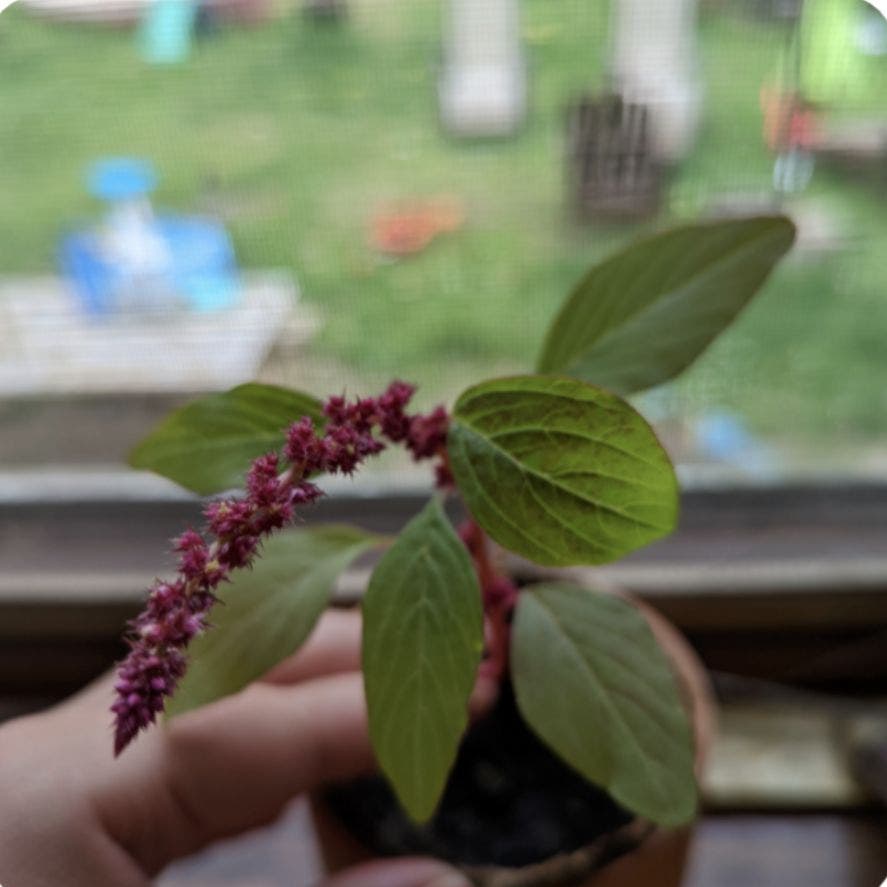
The Prince-of-Wales Feather is primarily known for its lush foliage, but it can produce potential flower spikes. These spikes are typically slender and can vary in color, often appearing in subtle shades that complement the vibrant green leaves.
While flowers may emerge, the ornamental value of this plant largely lies in its striking foliage. The intricate fronds create a stunning visual display, often overshadowing any blooms that may occur.
Pollination Methods
When it comes to pollination, the Prince-of-Wales Feather is generally not self-pollinating. It relies on external pollinators, which can include insects, to facilitate the process.
🌼 Blooming Process
Stages of Blooming
If the Prince-of-Wales Feather does bloom, the process involves several stages. It begins with bud formation, where small buds appear on the flower spikes, followed by gradual development into full blooms.
The timeline from bud formation to full bloom can vary, but it typically spans several weeks. This moderate difficulty in blooming means patience is key for gardeners hoping to witness this transformation.
Typical Bloom Time
The expected bloom season for the Prince-of-Wales Feather is usually during the warmer months. This is when environmental conditions are most favorable for flowering.
Duration of Flowers
If flowers do appear, they generally last for a short period. Typically, blooms may remain vibrant for a few weeks before fading, making their appearance a fleeting yet beautiful event.
🌱 Encouraging Blooms
Tips for Promoting Flowering
To encourage blooms, consider providing optimal growing conditions. Ensure the plant receives adequate sunlight and maintain consistent moisture in the soil.
Environmental factors such as temperature and humidity can significantly influence blooming. A little extra care can go a long way in coaxing those flowers out.
🌿 Post-Flowering
What Happens After Flowering
After flowering, the Prince-of-Wales Feather continues its life cycle much like before. It does not die after blooming; instead, it focuses on maintaining its lush foliage.
This resilience allows the plant to thrive, ensuring that even if flowers are rare, the beauty of its leaves remains a constant source of enjoyment.
If It Doesn't Flower
🌿 Primary Ornamental Features
The Prince-of-Wales Feather is celebrated for its stunning foliage, which often steals the show. Its feathery, lush leaves create a vibrant display that can elevate any garden or indoor space.
This plant's unique texture and rich green color make it a favorite among gardeners and decorators alike. Even without flowers, its ornamental appeal is undeniable, providing a lush backdrop that complements other plants beautifully.
🌱 Reproduction Methods Without Flowers
While the Prince-of-Wales Feather may not produce flowers, it has a fascinating way of reproducing. This plant relies on spores, which are produced in specialized structures called sporangia.
These spores are released into the environment, allowing the plant to propagate without the need for flowering. This method of reproduction is not only efficient but also adds to the plant's unique charm, showcasing its adaptability in various conditions.
With its striking foliage and intriguing reproductive strategies, the Prince-of-Wales Feather remains a captivating choice for plant enthusiasts. As we explore further, we’ll delve into its unique aspects that make it stand out in the plant kingdom.
Unique Aspects
Unusual Characteristics 🌿
The Prince-of-Wales Feather is a fascinating plant, primarily known for its lush foliage rather than flowers. Its fronds are intricately shaped, resembling feathers, which adds a unique texture to any garden or indoor space.
Interestingly, this plant belongs to the fern family, which means it doesn't produce flowers in the traditional sense. Instead, it reproduces through spores, showcasing a different kind of beauty that many gardeners appreciate.
Reproductive Strategies of Ferns 🧬
Ferns like the Prince-of-Wales Feather have a remarkable reproductive strategy. They release spores from specialized structures called sporangia, often found on the undersides of their fronds.
This method allows them to thrive in various environments, adapting to conditions where flowering plants might struggle. It's a testament to the resilience and diversity of plant life, making ferns a captivating subject for both novice and experienced gardeners alike.
In summary, the Prince-of-Wales Feather may not bloom in the conventional way, but its unique characteristics and reproductive strategies offer a rich tapestry of interest for plant enthusiasts. Understanding these aspects can deepen your appreciation for this stunning fern and its role in the ecosystem.
⚠️ Safety First
This content is for general information and may contain errors, omissions, or outdated details. It is not medical, veterinary advice, or an endorsement of therapeutic claims.
Always consult a qualified healthcare professional before using any plant as food, medicine, or supplement.
Never eat any plant (or feed one to pets) without confirming its identity with at least two trusted sources.
If you suspect poisoning, call Poison Control (800) 222-1222, the Pet Poison Helpline (800) 213-6680, or your local emergency service immediately.
Spotted an error? Please report it here.
Transform your Prince-of-Wales Feather into a blooming beauty 🌱 with Greg's tailored care reminders that ensure optimal sunlight and moisture for those rare flowers!