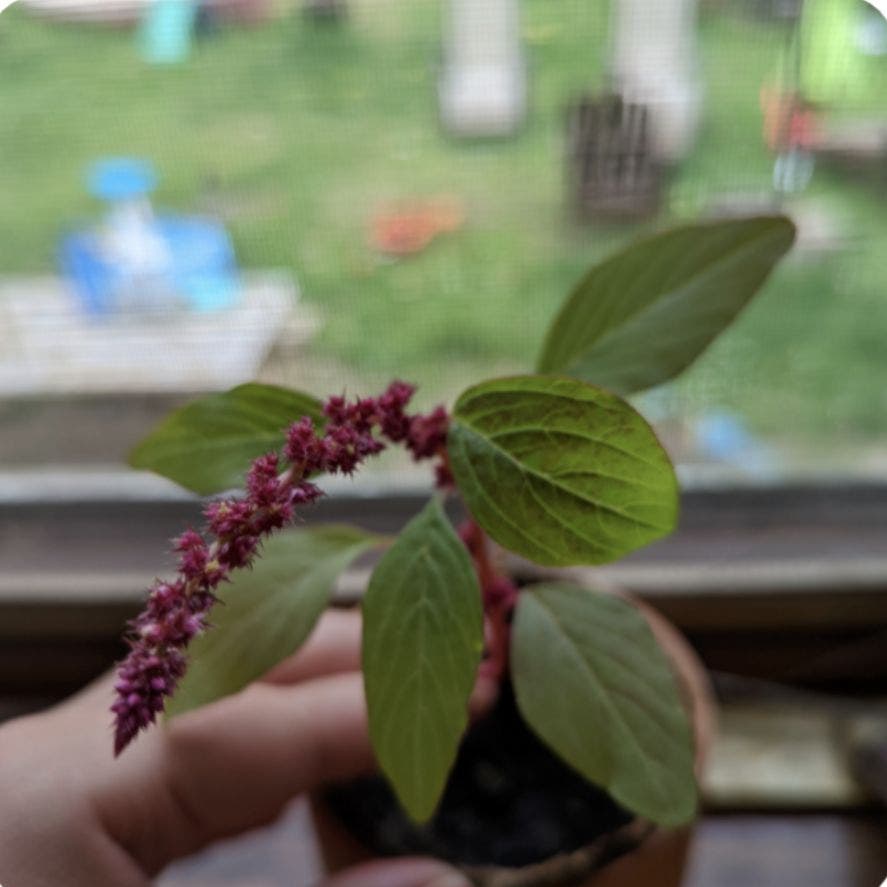
❄️ How to Prepare Your Prince-of-Wales Feather for Winter
Amaranthus hypochondriacus
By the Greg Editorial Team
Sep 29, 2024•4 min read
This article was created with the help of AI so we can cover more plants for you. May contain errors. See one? Report it here.
Ensure your Prince-of-Wales feather flourishes this winter with essential care tips for vibrant growth! ❄️🌱
- ❄️ Frost protection is vital for Prince-of-Wales feather to prevent winter damage.
- 🌱 Mulching and covering with cloths insulate roots and provide warmth during cold.
- 💧 Adjust watering and humidity levels to prevent root rot and support winter health.
Winter Care Requirements
❄️ Frost Protection Methods
Frost protection is crucial for your Prince-of-Wales feather during winter. It helps prevent damage from freezing temperatures, ensuring your plant remains healthy.
Techniques for Outdoor Protection
- Mulching: Apply a 2-3 inch layer of organic mulch around the base. This insulates the roots and retains moisture.
- Covering: Use frost cloths or burlap during extreme cold spells. These materials provide an extra layer of warmth.
- Location: If possible, move pots to sheltered areas. This reduces exposure to harsh winds and freezing temperatures.
Indoor Protection Strategies
- Avoiding Drafts: Place your plant away from windows and doors. This minimizes exposure to cold drafts that can stress the plant.
- Humidity Control: Use a humidifier to maintain moisture levels. Indoor heating can dry out the air, which is detrimental to your plant.
💧 Adjusting Watering Schedule During Winter
During winter, your watering needs will decrease significantly. It's essential to adjust your schedule to prevent overwatering.
- General Watering Needs: Water less frequently than in the growing season. This helps avoid root rot and other issues.
- Signs of Overwatering: Look for yellowing leaves and root rot as indicators. These symptoms signal that your plant is receiving too much water.
- Recommended Watering Schedule: Water only when the top inch of soil is dry. Depending on indoor humidity, this may mean watering every 2-4 weeks.
🌱 Fertilizing Schedule for Winter Months
Fertilization should be reduced during the plant's dormancy. This helps prevent stress and encourages healthy growth when spring arrives.
- Importance of Reducing Fertilization: Dormant plants require less nutrition. Over-fertilizing can lead to nutrient burn.
- Recommended Practices: Use a diluted, balanced fertilizer once in late winter if needed. Avoid fertilizing if the plant shows signs of stress, as this can exacerbate issues.
By following these winter care requirements, you can ensure your Prince-of-Wales feather thrives even in the cold months. Next, let’s explore how to provide optimal indoor conditions for your plant during winter.
Indoor Winter Care
Conditions for Indoor Growth During Winter 🌡️
To keep your Prince-of-Wales feather thriving indoors during winter, aim for a temperature range of 60°F to 70°F (15°C to 21°C). This warmth helps maintain its vitality while preventing stress.
Humidity is equally crucial; strive for moderate to high levels, ideally between 40-60%. A humidifier can be a game-changer, ensuring your plant feels right at home.
Good airflow is essential to prevent mold and mildew. Make sure your plant has enough space to breathe, especially in the cozy confines of your home.
Light Requirements for Indoor Growth 💡
Your plant craves bright, indirect light to flourish indoors. Position it near a window that filters sunlight, but avoid direct rays that can scorch its delicate leaves.
To promote even growth, rotate your plant every few weeks. If natural light is lacking, consider using grow lights to supplement its needs, ensuring it gets the energy it requires to thrive.
With the right conditions and care, your Prince-of-Wales feather will not only survive but thrive through the winter months. As you prepare for spring, keep an eye on its growth and adjust your care routine accordingly.
Spring Preparation
Signs of Recovery from Winter Damage 🌱
As winter fades, keep an eye out for signs of recovery in your Prince-of-Wales feather. New growth and vibrant foliage are excellent indicators that your plant is bouncing back.
Conversely, browning tips and wilting leaves signal potential damage. Monitoring recovery closely is crucial to ensure your plant regains its strength.
Preparing for Spring Growth 🌼
To kickstart your plant's growth, begin with pruning. Remove any dead or damaged foliage to promote healthier new growth.
Next, resume your fertilization schedule. Start feeding your plant regularly as it shows signs of active growth.
Finally, adjust your watering routine. As temperatures rise, increase the frequency to keep your plant hydrated and thriving.
With these steps, your Prince-of-Wales feather will be well on its way to a vibrant spring!
Common Winter Problems and Solutions
❄️ Identifying Frost Damage
Frost damage can be a real concern for your Prince-of-Wales feather during winter. Look for symptoms like blackened leaves and brittle stems, which indicate that your plant has suffered from the cold.
Early detection is crucial for recovery. The sooner you spot these signs, the better your chances of nursing your plant back to health.
🌬️ Solutions for Winter Stress
Managing winter stress is essential for your plant's well-being. Start with gradual acclimatization to warmer temperatures to help it adjust without shock.
Consistency is key. Ensure that watering and humidity levels remain stable to provide a nurturing environment.
For recovery, monitor your plant closely. Adjust care as needed to support its comeback and promote healthy growth as winter fades.
With the right attention, your Prince-of-Wales feather can thrive even in the coldest months.
⚠️ Safety First
This content is for general information and may contain errors, omissions, or outdated details. It is not medical, veterinary advice, or an endorsement of therapeutic claims.
Always consult a qualified healthcare professional before using any plant as food, medicine, or supplement.
Never eat any plant (or feed one to pets) without confirming its identity with at least two trusted sources.
If you suspect poisoning, call Poison Control (800) 222-1222, the Pet Poison Helpline (800) 213-6680, or your local emergency service immediately.
Spotted an error? Please report it here.
Keep your Prince-of-Wales feather thriving this winter ❄️ with Greg's tailored care reminders that help you monitor humidity, watering, and protection against frost!