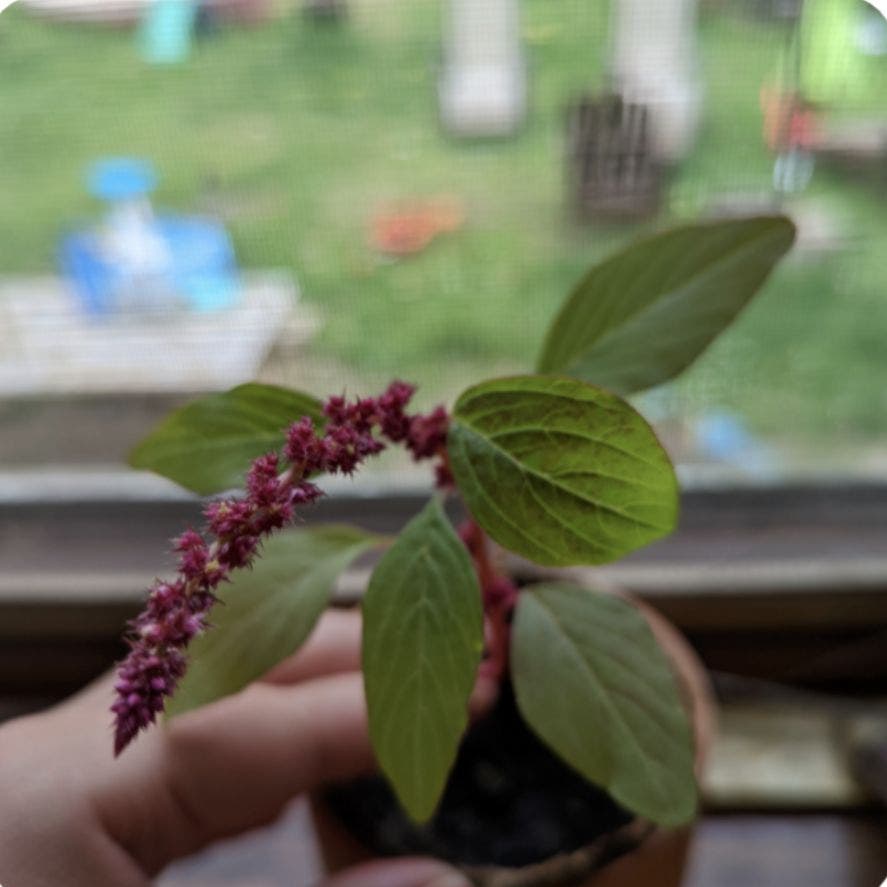
🪶 Prince-of-Wales Feather Growth: Height vs. Width
Amaranthus hypochondriacus
By the Greg Editorial Team
Sep 29, 2024•4 min read
This article was created with the help of AI so we can cover more plants for you. May contain errors. See one? Report it here.
Transform your space with a thriving Prince-of-Wales Feather 🌱 using these essential growth tips for stunning results!
- 🌱 Prince-of-Wales Feather grows up to 3 feet tall and 2-3 feet wide in optimal conditions.
- 💧☀️ Well-drained soil and bright light are essential for maximizing growth potential.
- ✂️ Pruning in spring encourages bushier growth and helps control plant size.
Key Growth Characteristics
Mature Height and Width 🌱
The Prince-of-Wales Feather can reach a mature height of up to 3 feet when grown under optimal conditions. Its clumping form typically spans 2 to 3 feet in width, creating a lush, bushy appearance.
Factors Influencing Size 📏
To achieve maximum growth, this plant thrives in well-drained soil and bright light. Its clumping growth habit not only enhances its visual appeal but also significantly impacts both height and width.
Understanding these key growth characteristics will help you cultivate a thriving Prince-of-Wales Feather. Next, let’s explore the growth rate and the time it takes to reach full size.
Growth Rate and Time to Full Size
🌱 Growth Rate Overview
The Prince-of-Wales Feather exhibits a moderate growth rate, typically taking about 2-3 years to reach its full size. During warmer months, you'll notice a burst of growth, making it an exciting time for plant enthusiasts.
⏳ Time to Full Size
Under ideal conditions, this plant generally matures within 2-3 years. However, several factors can influence this timeline, including soil quality, light exposure, and watering practices.
Understanding these elements can help you optimize growth and enjoy a lush, vibrant plant sooner. With the right care, your Prince-of-Wales Feather can flourish beautifully, adding a striking presence to your garden or indoor space.
As you consider these growth dynamics, let’s explore how varying conditions can affect the size of your plant.
Size Variability Based on Conditions
🌱 Influence of Growing Conditions
Growing conditions play a crucial role in the size of the Prince-of-Wales Feather.
Indoor vs. Outdoor Growth Effects
Indoor growth often suffers from limited light and space, which can significantly reduce both height and width. In contrast, outdoor growth thrives under optimal conditions, allowing the plant to reach its full potential.
🌍 Soil Type and Moisture Impact
The type of soil and moisture levels are vital for healthy growth.
Well-Drained Soils
Using well-drained soils is essential; overwatering can stunt the plant's size and health.
Moisture Levels
Maintaining consistent moisture without waterlogging is key to promoting optimal growth.
💡 Light Exposure and Its Role
Light exposure is another critical factor influencing size.
Bright Light Requirements
The Prince-of-Wales Feather requires bright light to achieve its mature dimensions.
Effects of Insufficient Light
Insufficient light can lead to stunted growth and reduced size, making it essential to position your plant wisely.
Understanding these factors can help you create the ideal environment for your Prince-of-Wales Feather, ensuring it flourishes beautifully. Next, we’ll explore the various varieties of this stunning plant and their unique characteristics.
Varieties of Prince-of-Wales Feather
🌱 Dwarf Varieties
Dwarf varieties of the Prince-of-Wales Feather are compact and typically grow to under 2 feet tall. These forms are perfect for container gardening and fit seamlessly into small spaces, making them a popular choice for urban gardeners.
🌳 Giant Varieties
On the other end of the spectrum, giant varieties can exceed 3 feet in both height and width. These impressive plants require ample room to thrive, so consider your space carefully before opting for these larger forms.
Understanding the differences between dwarf and giant varieties allows you to choose the best fit for your gardening needs. Whether you're looking to maximize a small area or create a stunning focal point, there's a Prince-of-Wales Feather variety for you.
Next, let’s explore how to control the size of these beautiful plants to suit your garden's needs.
Controlling Size
Pruning Techniques for Size Management 🌿
Pruning is essential for maintaining the desired dimensions of your Prince-of-Wales Feather. It not only helps control size but also encourages a bushier appearance.
Timing: The best time to prune is early spring, just before new growth begins. This timing allows the plant to recover quickly and thrive.
Techniques: Trim back to your desired height, making sure to remove any dead or damaged fronds. This keeps the plant healthy and looking its best.
Other Methods to Control Growth 📏
Container growth is another effective way to manage size. By restricting root space, you naturally limit the plant's growth potential.
Additionally, environmental adjustments can play a significant role. Modifying light exposure and watering practices can influence how your plant grows, allowing you to tailor its size to fit your space perfectly.
With these techniques, you can enjoy a well-maintained Prince-of-Wales Feather that fits beautifully into your garden or home. Next, let's explore the fascinating varieties of this plant and how they differ in size and characteristics.
⚠️ Safety First
This content is for general information and may contain errors, omissions, or outdated details. It is not medical, veterinary advice, or an endorsement of therapeutic claims.
Always consult a qualified healthcare professional before using any plant as food, medicine, or supplement.
Never eat any plant (or feed one to pets) without confirming its identity with at least two trusted sources.
If you suspect poisoning, call Poison Control (800) 222-1222, the Pet Poison Helpline (800) 213-6680, or your local emergency service immediately.
Spotted an error? Please report it here.
Grow a vibrant Prince-of-Wales Feather 🌿 by using Greg's tailored care reminders to master light, watering, and pruning for optimal growth in any space!