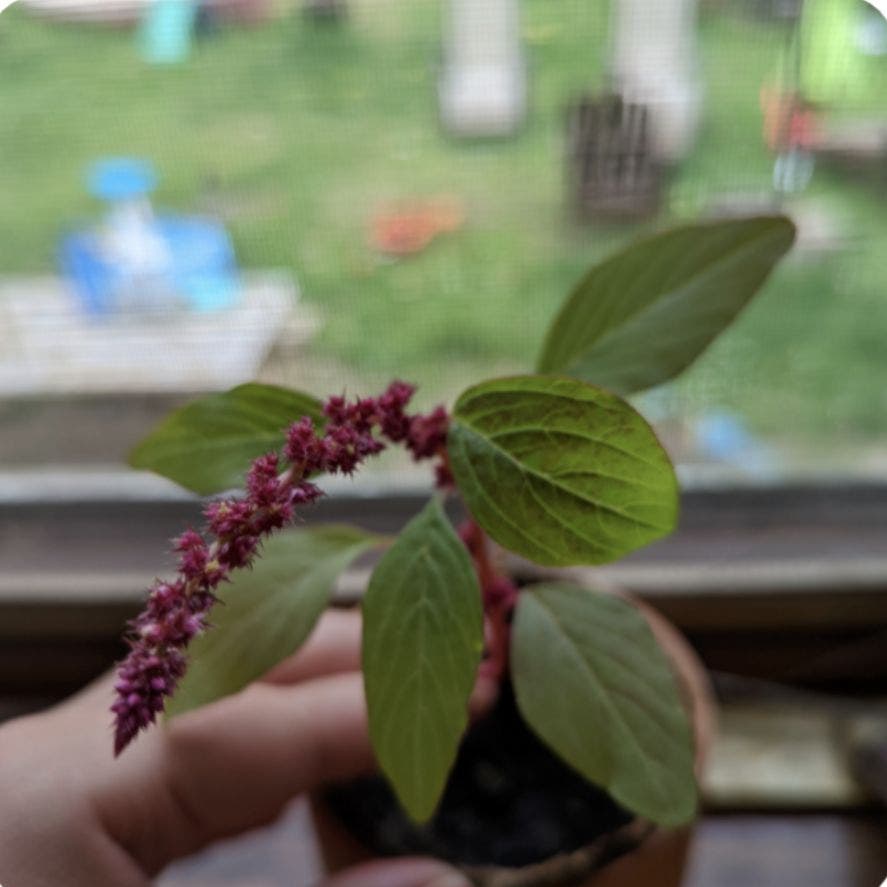
🌞 Is Direct Sunlight Good for My Prince-of-wales Feather?
Amaranthus hypochondriacus
By the Greg Editorial Team
Apr 17, 2024•3 min read
This article was created with the help of AI so we can cover more plants for you. May contain errors. See one? Report it here.
Ensure your Prince-of-wales Feather thrives, not fries, with tailored sunlight tips! 🌞🌱
- 🌿 Prefers bright, indirect light; direct sunlight may harm.
- 🌞 Sun-stressed signs: crispy or sunburned leaves.
- 🧭 Window direction matters, varies by hemisphere.
Sunlight Decoded for Prince-of-wales Feather Parents
🌞 What is Direct Sunlight?
Direct sunlight is the unfiltered solar spotlight, bold and bright, that shines directly on your plants. It's the kind of light that creates sharp, distinct shadows - a clear sign that your Prince-of-wales Feather is basking in full sun. Contrastingly, indirect sunlight is the diffused glow, the kind that fills a room with a soft luminance without casting harsh shadows. It's the sunlight that has been filtered through curtains or bounced off surfaces before it whispers to your plant.
Prince-of-wales Feather's Sunlight Preferences
The Prince-of-wales Feather has a preference for bright, indirect light. It enjoys the warmth of the sun but doesn't want to play in the harsh midday rays. Think of it as a plant that appreciates a good sunhat - protection from the intensity while still enjoying the warmth. Direct sunlight can be too much of a good thing, leading to leaf burn or faded coloration. Your plant will thrive with a balance of light that mimics the dappled sunlight of its natural habitat.
When the Sun Strikes: Prince-of-wales Feather's Response
🌞 Signs of Sun-Love or Sun-Stress
The Prince-of-wales Feather, a sun connoisseur, reveals its comfort level with its appearance. Lush, vibrant leaves indicate a thumbs-up for the light conditions. Conversely, if the leaves start resembling crispy autumn foliage, it's a distress signal. Wilting or leaves turning a sunburned shade of yellow and brown scream for respite from the sun's intensity.
🌞 Adapting to the Sun's Embrace
This plant is no shrinking violet when it comes to basking in rays; it's a sun worshipper by nature. However, when the sunlight is too direct, it can adapt by slightly altering its leaf orientation to reduce exposure. Observant owners will notice these subtle shifts, a testament to the plant's resilience and a cue to possibly adjust its position.
Positioning Your Prince: Window Wisdom
🧭 The Window Compass
Navigating the best window direction for your Prince-of-wales Feather is crucial. In the Northern Hemisphere, south-facing windows offer a full day's sunlight, perfect for this plant's growth. Conversely, in the Southern Hemisphere, north-facing windows are the prime real estate, providing ample light without the harsh midday sun.
Hemisphere Hints
Your global location dictates the intensity of sunlight your Prince-of-wales Feather will receive. Near the equator, sunlight is more direct year-round, so you may need to shield your plant from the strongest rays. Further from the equator, the sun's angle changes with the seasons, requiring you to adjust the plant's position to maintain the right balance of light.
Shielding the Prince: Sun Protection Strategies
🌞 Creating a Sun Haven
Crafting the perfect light environment for your Prince-of-wales Feather isn't about equipping it with a tiny beach umbrella. It's about strategic placement and the use of tools at your disposal. Sheer curtains are your first line of defense, softening the sun's glare while still letting through that golden glow. For those with outdoor spaces, consider a shade cloth or even a well-placed taller plant to serve as a natural parasol.
🕰 When to Intervene
Knowing when to adjust your plant's sun exposure is like being a botanical bouncer; you decide when the sun's had enough of a good time. If your Prince-of-wales Feather starts to look more fried than a sunbather who forgot their sunscreen, it's time to move it away from the light. Conversely, if it's stretching out like it's trying to snag the sun's attention, it might be craving more rays. Be vigilant and ready to shift its position with the changing seasons or even throughout the day.
⚠️ Safety First
This content is for general information and may contain errors, omissions, or outdated details. It is not medical, veterinary advice, or an endorsement of therapeutic claims.
Always consult a qualified healthcare professional before using any plant as food, medicine, or supplement.
Never eat any plant (or feed one to pets) without confirming its identity with at least two trusted sources.
If you suspect poisoning, call Poison Control (800) 222-1222, the Pet Poison Helpline (800) 213-6680, or your local emergency service immediately.
Spotted an error? Please report it here.
Keep your Prince-of-wales Feather 🌿 thriving with Greg's tailored light recommendations and shift reminders, ensuring just the right glow for vibrant growth.