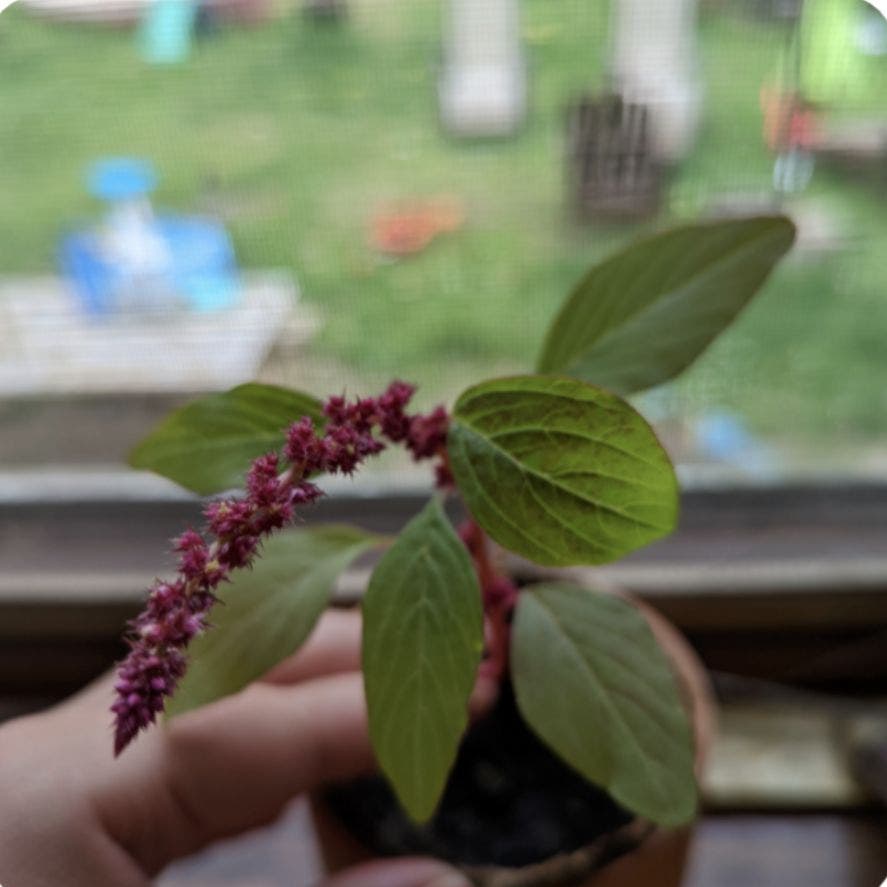
⚠️ Why Does My Prince-of-wales Feather Have Yellow Leaves?
Amaranthus hypochondriacus
By the Greg Editorial Team
Apr 17, 2024•4 min read
This article was created with the help of AI so we can cover more plants for you. May contain errors. See one? Report it here.
Turn your Prince-of-wales Feather's frown 🍂 upside down by tackling the yellow leaf mystery with our guide!
- 💧 Overwatering leads to yellow leaves; let top inch of soil dry first.
- 🌞 Bright, indirect light and stable temps are key for leaf health.
- 🌱 Balanced fertilization monthly during growing season; avoid over-fertilizing.
Pinpointing the Culprits Behind Yellow Leaves
💧 Watering Woes
Overwatering turns soil into a swamp and leaves into a light green mess. If the soil clings to your fingers, it's time to dial back the H2O. Conversely, underwatering leaves your plant as dry as stale bread, with leaves crispier than autumn leaves.
To tweak your routine, wait for the top inch of soil to dry before watering. This simple change can often steer your foliage back to a vibrant green.
🌞 Light and Temperature: Getting It Just Right
Light and temperature are like a dance, and your plant's leaves show how well you're keeping step. Too much light leads to a leafy sunburn, while too little leaves them reaching for more.
Find a spot with bright, indirect light, and avoid temperature extremes. Your plant doesn't need a sauna or a fridge, just a comfortable, consistent environment.
🍽️ Nutrient Know-How
Yellow leaves can be the plant's SOS for nutrients. Nitrogen deficiency often leads to yellowing, while other elements play supporting roles.
Choose a balanced fertilizer and apply it as if it's a precise science—because it is. Always moisten the soil before fertilizing to avoid the dreaded root burn. Regular soil tests can keep you ahead of the game, ensuring your greenery stays, well, green.
The Rescue Plan for Yellow Leaves
💧 Watering Revamp
Check the soil moisture before watering—aim for a dry top inch. Adjust your routine with the seasons; less in winter, more in summer.
Step-by-Step Water Adjustment
- Wait for the top inch of soil to dry out before watering.
- Reduce frequency in winter, increase in summer.
- Use a moisture meter for precision, if needed.
🌞 Light and Temperature Adjustments
Bright, indirect light is ideal. Avoid temperature extremes and drafts to prevent stress.
Optimizing Light Exposure
- Relocate your plant to a spot with consistent, indirect sunlight.
- Shield from direct, harsh rays to prevent leaf scorching.
- Maintain a stable room temperature.
🍽️ Nutrient Boost
Fertilize monthly during the growing season, but don't overdo it. Always water before fertilizing to protect the roots.
Feeding Finesse: Balancing the Diet for Robust Leaves
- Use a balanced, water-soluble fertilizer.
- Apply it less frequently during the plant's dormant period.
- Monitor the plant's response and adjust as necessary.
Root Reboot: Addressing Below-the-Surface Issues
🕵️♂️ Inspecting and Treating the Roots
Roots are the lifeline of your Prince-of-wales Feather, and root rot is the silent assassin in its story. To play detective, gently remove your plant from its pot and brush off the soil. Healthy roots are firm and white, while the bad guys are brown and mushy. If you find the latter, it's time to channel your inner surgeon. With sterilized scissors, cut away the rotten parts. It's a tough-love approach, but necessary.
🚰 Soil Drainage Solutions
Now, let's talk about giving your plant a proper home. If your soil is holding water like a sponge, it's time for a mix-up. Amend the soil with sand or perlite to improve drainage. Think of it as setting up a well-structured escape route for excess water. When repotting, ensure the pot has drainage holes and consider adding a layer of gravel at the bottom. It's like creating a comfy bed with the right support—essential for a good night's sleep for your plant's roots.
Keeping Yellow at Bay: Prevention Strategies
🥁 Consistent Care Schedule
Crafting a care routine is like setting the rhythm for your Prince-of-wales Feather's life. Regular checks are the drumbeats that catch early distress signals. Stick to a schedule as if it's the most sacred of rituals.
🌿 Environmental Harmony
Your plant's environment should be a sanctuary, not a stressor. Ensure stable light and temperature conditions—think of it as creating a zen garden for your plant's well-being. Avoid leaf-wetting during watering; it's not a shower but a sip they need.
🥗 Ongoing Nutrient Management
Balanced fertilization is the diet plan for your plant's health. Regular soil testing is like a routine health check-up, ensuring your green friend gets all the necessary nutrients without the risk of overindulgence. Keep a log, adjust as needed, and watch your plant thrive.
⚠️ Safety First
This content is for general information and may contain errors, omissions, or outdated details. It is not medical, veterinary advice, or an endorsement of therapeutic claims.
Always consult a qualified healthcare professional before using any plant as food, medicine, or supplement.
Never eat any plant (or feed one to pets) without confirming its identity with at least two trusted sources.
If you suspect poisoning, call Poison Control (800) 222-1222, the Pet Poison Helpline (800) 213-6680, or your local emergency service immediately.
Spotted an error? Please report it here.
Turn your Prince-of-wales Feather's yellow leaves into a sign of the past and nurture a lush green beauty 🍃 with Greg's tailored watering and care schedule.