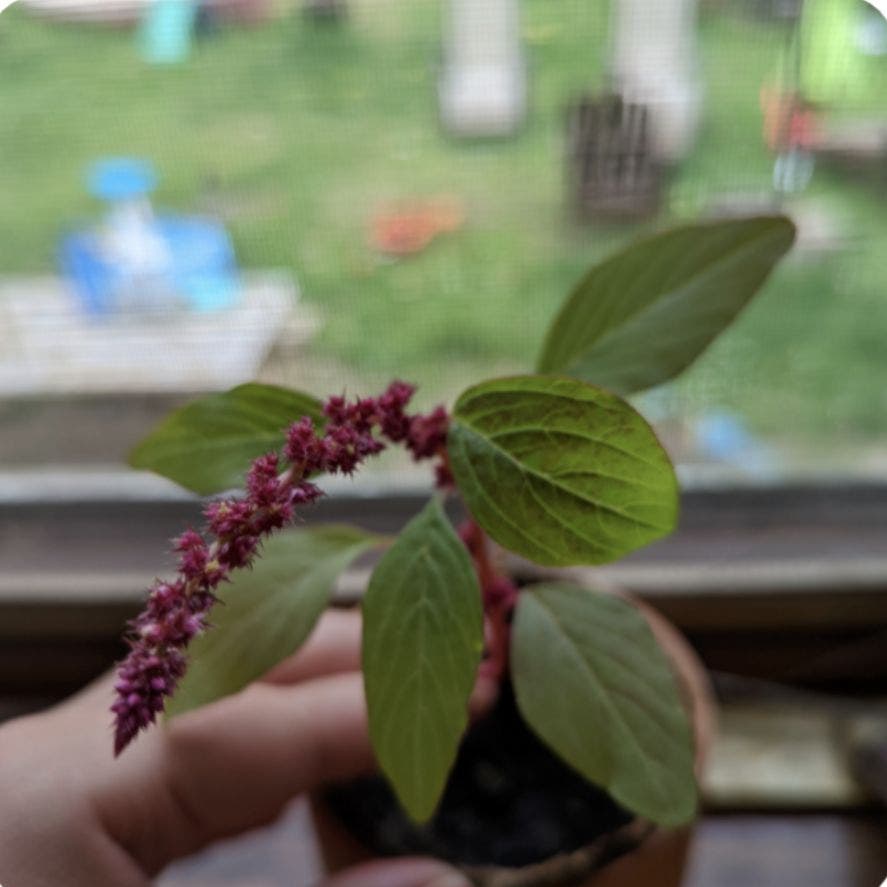
How to Prune Prince-of-wales Feather
Amaranthus hypochondriacus
By the Greg Editorial Team
Apr 17, 2024•4 min read
This article was created with the help of AI so we can cover more plants for you. May contain errors. See one? Report it here.
Shape a healthier, lusher Prince-of-wales Feather 🌿 with timely, expert pruning tips!
- 🌱 Early spring pruning boosts growth; post-bloom for future florals.
- ✂️ Use sharp, clean tools like bypass secateurs for precision cuts.
- 🌿 Prune for health: Remove dead stems, thin for airflow, control shape.
Timing Your Pruning Perfectly
⏰ Seasonal Smarts: Best times to prune
Pruning your Prince-of-wales Feather isn't a spur-of-the-moment decision; timing is key. Early spring is your sweet spot, as the plant shakes off winter's chill and gears up for a growth spurt. This is when your shears can encourage robust growth without stunting the plant. Conversely, fall is about tidying up; think of it as prepping your green buddy for a cozy winter nap, not a major growth phase.
🌱 Growth and Bloom: Scheduling around the plant's life cycle
Sync your pruning with the Prince-of-wales Feather's life cycle for a display that'll make your neighbors green with envy. Post-bloom pruning sets the stage for future florals, telling your plant to invest energy in new growth rather than spent blooms. Keep an eye out for new buds — they're your green light to get snippy. Remember, late-season cuts can be a buzzkill for next year's show, so time it right to avoid a floral fiasco.
Choosing Your Pruning Tools
🌿 The Right Cut: Selecting the best tools for the job
Pruning Prince-of-wales Feather demands precision. Arm yourself with sharp, clean bypass secateurs or micro snips. They should feel like a natural extension of your hand, allowing for accurate, effortless cuts. For thicker stems, lopping shears are your muscle-saving grace.
🧼 Keeping it Clean: Importance of tool cleanliness
Clean tools are non-negotiable. Sterilize your shears before and after use with rubbing alcohol or a bleach solution. This practice is akin to a surgeon sterilizing their scalpel—it's essential for preventing infections and ensuring quick healing of your plant's cuts. Remember, a dirty tool is a vector for disease, turning a simple prune into a horticultural hazard. Keep it clean, keep it sharp, and your Prince-of-wales Feather will thank you.
The Art of Pruning Prince-of-wales Feather
🌿 Making the Cut: Step-by-step pruning process
Pruning your Prince-of-wales Feather begins with a visual inspection. Identify any dead, diseased, or damaged stems. These are your first targets. Snip them off at the base to prevent decay from spreading.
Next, thin out the plant to enhance airflow. Remove some of the inner branches, especially if they're crossing or rubbing against each other. This helps reduce the risk of fungal infections.
✂️ Shape It Up: Techniques for controlling plant shape and size
Controlling size is crucial for keeping your Prince-of-wales Feather manageable. Decide on the desired height and width before you start. Then, cut back the outermost growth to shape the plant, always cutting just above a leaf node or branching point.
For a denser appearance, pinch out the tips of young stems during the growing season. This encourages the plant to branch out more.
🌱 Health First: Removing unhealthy foliage
Health trumps aesthetics when it comes to pruning. Zero in on any yellowed, spotted, or wilted leaves and remove them. It's not just a cleanup—it's a rescue mission, ensuring the plant doesn't waste energy on parts that can't be saved.
Regularly removing spent flowers, known as deadheading, encourages more blooms and prevents the plant from putting energy into seed production. Keep an eye out for any signs of pests or disease, and act swiftly to remove affected areas.
After the Snip: Post-Pruning Care
🌱 Healing and Recovery: Caring for your plant post-pruning
After pruning your Prince-of-wales Feather, shift focus to recovery. Water the plant thoroughly, but don't let it swim—soggy soil is a no-go. Place it in bright, indirect light; direct sunlight is too intense for fresh cuts. If you've gone Edward Scissorhands and made larger cuts, a sprinkle of cinnamon powder can act as a natural antiseptic.
🌿 Encouraging Regrowth: How pruning influences new growth
Pruning isn't just a haircut; it's a strategic play to boost growth. Keep an eye out for new leaves—it's your plant's way of saying "thanks." If growth is sluggish, reassess your care routine. Maybe it's craving more light or less water. Hold off on fertilizing; let the plant focus on healing, not digesting a heavy meal. A light snack of vitamin B complex could be the gentle nudge it needs. And remember, those pruned pieces? Keep them away from pets and kids; they're not snacks.
⚠️ Safety First
This content is for general information and may contain errors, omissions, or outdated details. It is not medical, veterinary advice, or an endorsement of therapeutic claims.
Always consult a qualified healthcare professional before using any plant as food, medicine, or supplement.
Never eat any plant (or feed one to pets) without confirming its identity with at least two trusted sources.
If you suspect poisoning, call Poison Control (800) 222-1222, the Pet Poison Helpline (800) 213-6680, or your local emergency service immediately.
Spotted an error? Please report it here.
Ensure your Prince-of-wales Feather is pruned to perfection 🌿 with Greg's custom reminders aligned with your plant's life cycle and access to expert advice from our plant community.