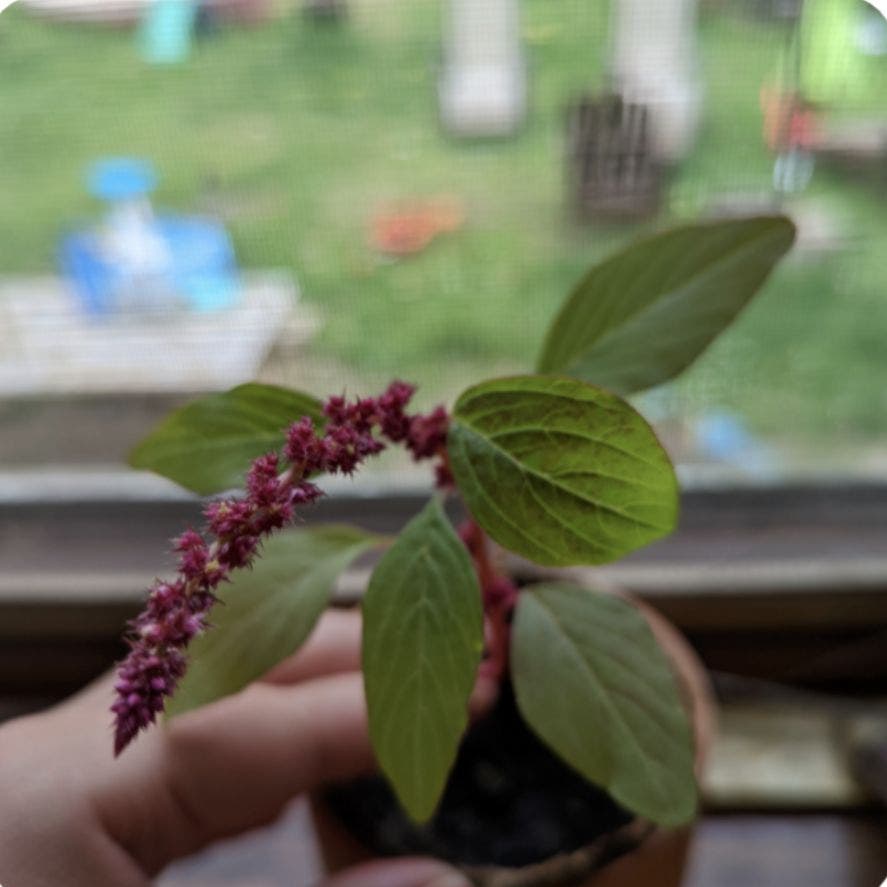
Diagnosing Prince-of-Wales Feather Root Rot
Amaranthus hypochondriacus
By the Greg Editorial Team
Apr 17, 2024•4 min read
This article was created with the help of AI so we can cover more plants for you. May contain errors. See one? Report it here.
Stop root rot 🚫 in its tracks and keep your Prince-of-Wales Feather thriving with these essential tips! 🌿
- Yellow leaves and wilting signal early root rot stages.
- Inspect roots: Healthy ones are firm and white, not mushy.
- Prevent with well-draining soil and pots, and check soil before watering.
Spotting the Red Flags: Symptoms of Root Rot
🚨 Visual Clues
Yellowing leaves and wilting are your plant's way of saying, "I'm not okay." When the Prince-of-wales Feather starts looking more like a wilted salad, it's time to pay attention. Mushy roots and a smell that's off-putting are not just unpleasant—they're the telltale heartbeats of root rot.
🌱 Above-Ground vs. Below-Ground Symptoms
What happens below the soil line doesn't stay there. Above-ground symptoms like droopy leaves and stunted growth are your plant's distress signals, hinting at a root system in peril. It's a domino effect—poor root health leads to an unhappy plant, period.
Getting to the Root of the Problem: Diagnosis
🔍 Inspecting the Roots
To diagnose root rot, start by donning your detective hat and gently excavating your Prince-of-wales Feather from its pot. Brush away the soil and scrutinize the roots. Healthy roots are firm and white, while those plagued by rot will be mushy and discolored. A stench akin to decay is a telltale sign that root rot has set in.
🔍 Confirming the Diagnosis
Don't mistake soggy soil and limp roots for a simple case of thirst or hunger. If the plant is receiving adequate light and shows no signs of pests, yet the soil remains wet and the roots are in despair, root rot is likely the culprit. To differentiate from other issues like nutrient deficiencies, check for brittle, discolored roots that crumble easily. If still in doubt, a soil test can identify the presence of root-rotting fungi and help you rule out other villains.
The Rescue Mission: Treating Root Rot
✂️ Trimming and Cleaning
Before you start the root rescue, sterilize your scissors or shears—cleanliness is non-negotiable. Gently remove the plant from its pot and shake off the excess soil to expose the roots.
🕵️♂️ Inspect and Trim
Look for roots that are firm and white; these are the keepers. Mushy, brown roots? They've got to go. Snip them off carefully, preserving as much of the healthy root system as you can manage.
💨 Air Out
After the pruning operation, let the roots breathe. This isn't a time for haste; let them air-dry to avoid trapping any unwanted moisture.
Soil and Pot Overhaul
🌱 Pot Selection
Size matters—choose a pot that's just right. It should be large enough to accommodate growth but not so large that the soil stays wet for long. Drainage holes are your plant's lifeline, so make sure the new pot has plenty of them.
🌿 Soil Matters
Opt for a well-draining soil mix. To enhance drainage, consider adding perlite or sand. This isn't just about comfort; it's about creating a hostile environment for root rot.
🌱 Repot with Care
When repotting, handle your plant with care, as if it's on the mend from surgery—because it is. Fill the new pot with your well-draining soil mix, place your plant inside, and gently cover the roots, pressing down lightly to eliminate air pockets.
Remember, the goal is to create conditions that are as unwelcoming to root rot as possible. Your plant's recovery and future health depend on it.
Keeping the Roots Happy: Prevention Strategies
💧 Watering Wisdom
Check the soil before you water. If the top inch is dry, it's time to water; if it's damp, give the watering can a rest. Overwatering is like handing root rot an all-access pass to your plant's root system. Use a moisture meter if you don't trust your touch.
🏡 The Right Home for Your Plant
Choose a pot with drainage holes—non-negotiable. Terra cotta is the MVP here, breathable and drying out faster than other materials. As for soil, think of a mix that's like a sponge: it holds moisture but dries out quickly. Perlite or coarse sand can help with that. And size matters; a pot too big is like a pool floatie in winter—unnecessary and waterlogged.
⚠️ Safety First
This content is for general information and may contain errors, omissions, or outdated details. It is not medical, veterinary advice, or an endorsement of therapeutic claims.
Always consult a qualified healthcare professional before using any plant as food, medicine, or supplement.
Never eat any plant (or feed one to pets) without confirming its identity with at least two trusted sources.
If you suspect poisoning, call Poison Control (800) 222-1222, the Pet Poison Helpline (800) 213-6680, or your local emergency service immediately.
Spotted an error? Please report it here.
Ensure your prince-of-wales feather thrives by diagnosing root rot early, and count on Greg's tailored care reminders 🌱 to prevent it with precision.