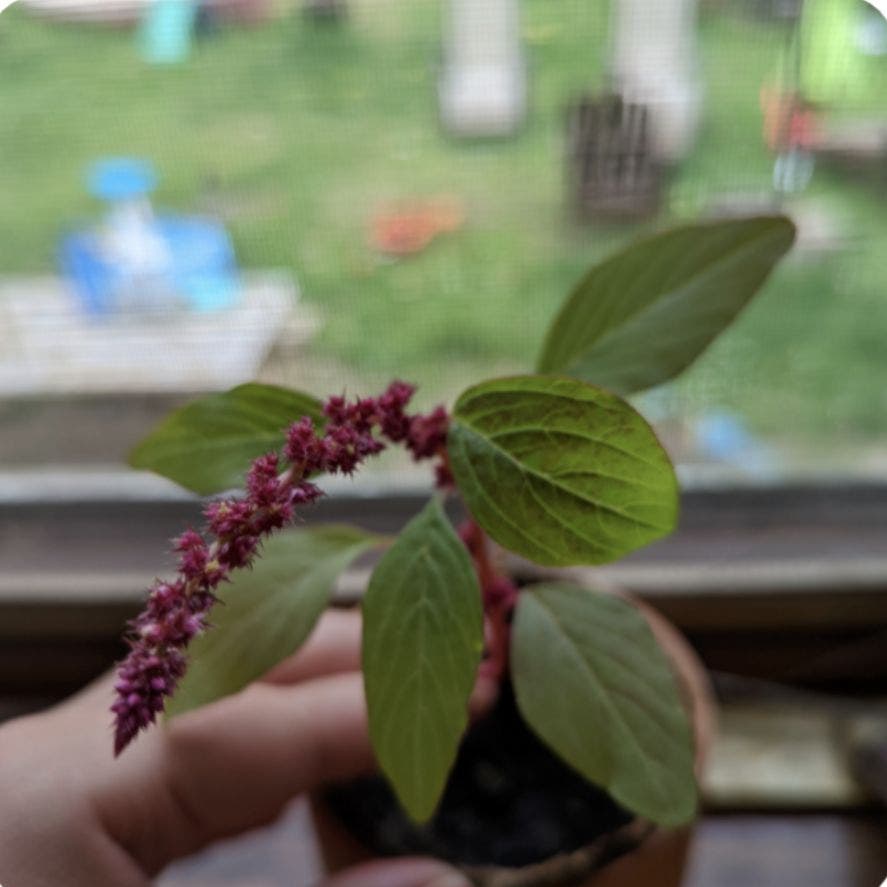
Should I Repot My Prince-of-wales Feather And If So, How?
Amaranthus hypochondriacus
By the Greg Editorial Team
Apr 17, 2024•4 min read
This article was created with the help of AI so we can cover more plants for you. May contain errors. See one? Report it here.
Ensure your plant's vitality by mastering the timely art of repotting Prince-of-Wales Feather. 🌱🕰️
- Roots peeking out? Time to repot your Prince-of-Wales Feather.
- Spring is best for repotting, but early summer works too.
- Choose the right pot—terracotta for breathability, plastic for moisture.
Spot the Clues: When Your Plant is Begging for a New Home
🌱 Root Tango: Tangled and Peeking Roots
When roots escape the confines of their pot, it's not a magic trick—it's a distress signal. If you see roots peeking out of drainage holes or circling the surface like a miniature track, it's time to grant your Prince-of-Wales Feather more space.
💧 Water Woes: Poor Drainage and Moisture Issues
Overwatering isn't the only water hazard. If water zips through the pot like it's racing to the finish line, your plant's soil might be too compacted, choking the roots. This is a clear sign that your plant's home is too snug and a repotting is overdue.
🌿 Growth Grumbles: When Your Plant Stops Growing Up
A growth plateau isn't a sign of a lazy plant; it's a cry for help. When your Prince-of-Wales Feather stops reaching for the stars, it's likely because it's run out of room to grow. Time to consider a new pot that allows for upward and outward ambitions.
Choosing the Right Season for the Big Move
🌷 Spring into Action: Why Spring is Repotting Season
Spring is the MVP of repotting seasons. It's when your Prince-of-Wales Feather is waking up, stretching its roots, and gearing up for a growth spurt. Timing is crucial; you want to catch that sweet spot when the plant is emerging from its winter snooze but hasn't yet exhausted itself with summer growth. Spring offers mild temperatures and a gentle sun, which are like a red carpet for your plant's new beginning.
☀️ Summer Shifts: Early Summer as a Secondary Option
Missed the spring window? No sweat—early summer can pinch-hit for repotting. Just be sure to avoid the scorching midsummer sun, which can stress your plant more than a caffeine-deprived barista on a Monday morning. If you repot in early summer, keep an eye on moisture levels and shade requirements. It's like throwing a housewarming party; you want to make sure your plant feels at home without overwhelming it.
The Repotting Rundown: A Step-by-Step Guide
🏺 Prep Work: Selecting the Right Pot and Soil Mix
Before you start, choose a pot that's a smidge larger than the old one—think "roomy" but not "echoey." Ensure it has drainage holes; nobody likes wet feet, especially your Prince-of-Wales Feather. Grab a potting mix that boasts good drainage and aeration; your plant's roots will thank you.
🌿 The Gentle Uproot: Safely Removing Your Plant
Time to evict your plant—gently, though. Tilt and coax the plant out; if it clings on, give the pot a squeeze or a tap. If it's still a no-show, a chopstick can be your best friend to loosen the soil without a root tug-of-war.
🏡 Homecoming: Settling into the New Pot
Now, create a welcoming base with your potting mix. Center your plant in the new pot, keeping it at its original depth to avoid any stem-burying mishaps. Fill in the gaps with more mix, tap to settle, and water to help your plant sip its way to stability. Skip the fertilizer for now—let's not overwhelm the new resident.
Picking the Perfect Pot: Material Matters
🌱 Breathability and Drainage: Terracotta vs. Plastic
Terracotta pots are the unsung heroes of breathability, wicking away moisture like a pro. They're perfect for those of us who get a bit overzealous with the watering can. Plastic pots, meanwhile, are like raincoats for your soil, keeping it damp longer. Great for the forgetful waterers, but a potential swamp for the rest.
🏋️♂️ Weight and Insulation: Ceramic and Other Options
Ceramic pots are the heavyweights—literally. They pack a punch in style but can be a workout to move. They offer decent insulation, making them a solid choice for temperature fluctuations. Just make sure they have drainage holes, or you'll be on the fast track to Root Rot City. And let's not forget fabric pots, the new kids on the block, which promise top-notch aeration but might need more frequent watering.
Aftercare: Helping Your Plant Settle In
💧 Watering Wisdom: Hydration After Repotting
Watering your Prince-of-Wales Feather after repotting is like defusing a bomb; one wrong move and it could spell disaster. Initially, keep the soil moist to encourage root growth, but avoid waterlogging. Moderation is your mantra here.
🌿 Location, Location, Location: Finding the Ideal Spot
The perfect spot for your newly potted plant isn't just about aesthetics. Bright, indirect light is the sweet spot. Avoid the temptation to move it around; your plant craves stability during this transition.
👀 Monitoring and Maintenance: What to Watch for Post-Repotting
Keep a watchful eye on your plant like it's the season finale of your favorite show. Signs of distress, such as wilting or yellowing leaves, signal a need for care adjustments. Vigilance is key to ensuring your plant's comeback is a success.
⚠️ Safety First
This content is for general information and may contain errors, omissions, or outdated details. It is not medical, veterinary advice, or an endorsement of therapeutic claims.
Always consult a qualified healthcare professional before using any plant as food, medicine, or supplement.
Never eat any plant (or feed one to pets) without confirming its identity with at least two trusted sources.
If you suspect poisoning, call Poison Control (800) 222-1222, the Pet Poison Helpline (800) 213-6680, or your local emergency service immediately.
Spotted an error? Please report it here.
With Greg's tailored care alerts 🌱, confidently repot your Prince-of-wales Feather and track its adjustment to ensure a seamless transition to its new pot.