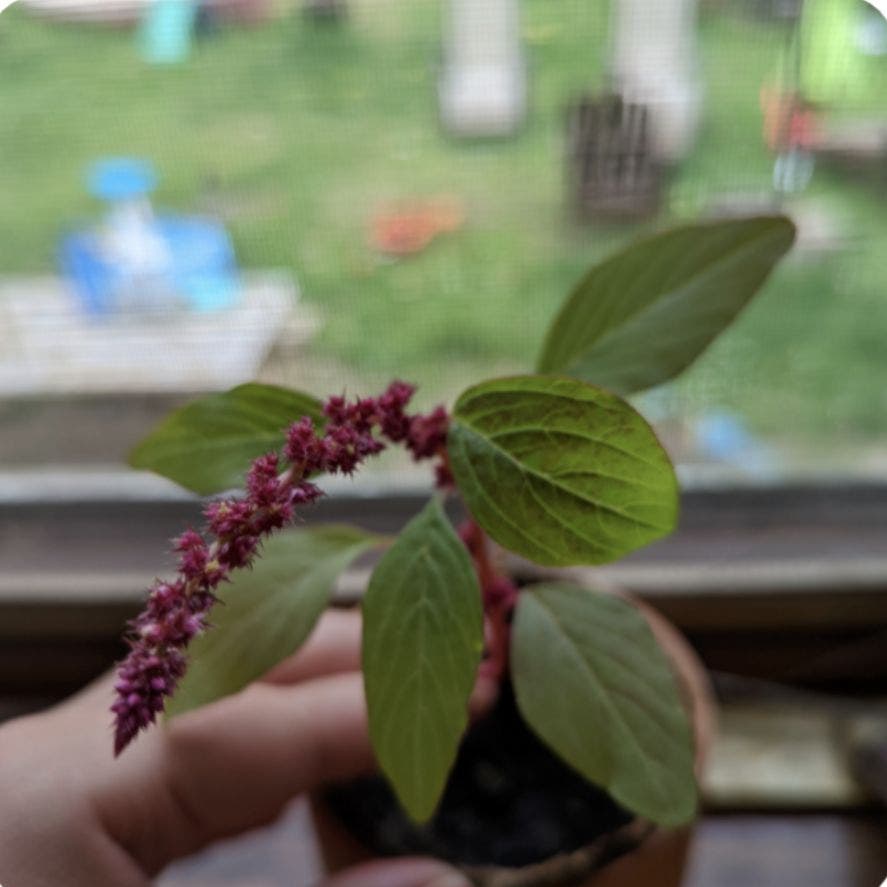
How Often Should I Water My Prince-of-wales Feather?
Amaranthus hypochondriacus
By the Greg Editorial Team
Apr 17, 2024•4 min read
This article was created with the help of AI so we can cover more plants for you. May contain errors. See one? Report it here.
Ensure your Prince-of-Wales Feather thrives 🌿 with the perfect watering routine—no more guesswork! 🚫💧
- Test soil moisture to know when to water your Prince-of-Wales Feather.
- Seasons and indoor climate influence your plant's watering needs.
- Adjust watering for active growth and dormant seasons.
When to Water: Reading Your Plant's Thirst
🌱 Checking Soil Moisture
Testing soil moisture is your first step. Forget the guesswork; stick your finger into the soil up to the first knuckle. If it's dry, your Prince-of-Wales Feather is sending you a subtle hint: water me. For a more high-tech approach, use a moisture meter. Either way, you're looking for that top inch of soil to be dry before you give it a drink.
🍃 Recognizing Plant Signals
Your plant's leaves are the best snitches when it comes to its needs. Drooping leaves? That's plant-speak for "I could use a little hydration over here." But if those leaves are crispy or yellowing, you've either been stingy with the watering can or you've gone overboard. Adjust your approach accordingly. Remember, the Prince-of-Wales Feather isn't looking for a flood, just enough to quench its thirst.
Environmental Influences on Watering Schedules
💧 Seasonal Shifts and Indoor Climates
Seasons change, and so does your Prince-of-Wales Feather's thirst. In the summer heat, it's all about staying hydrated—think of it as your plant's personal pool party. But come winter, it's more of a casual sip here and there; your plant's basically Netflix and chilling.
Indoor climates? They're the wild card. Heating and cooling systems play hot potato with your plant's moisture levels. Cranking up the heat? Your plant will be parching faster than you can say 'hydration'. But if you're the type to keep things cool and breezy, ease up on the watering can.
🌿 Outdoor vs. Indoor Planting Considerations
Outdoor plants have the luxury of Mother Nature's watering schedule, but your indoor Prince-of-Wales Feather relies on you. Potted plants are like tiny islands in an ocean of dry air, especially if they're living the high life on a sunny windowsill. They'll need more frequent watering than their garden bed cousins.
But here's the kicker: pot size and drainage are the unsung heroes of hydration. A big pot with good drainage is like a spacious apartment with great plumbing—it handles excess water like a pro. A tiny pot? Not so much. It's like a cramped studio apartment; too much water, and things get messy fast. Keep an eye on those drainage holes; they're your plant's lifeline to not drowning in overenthusiastic watering.
The Right Amount: How Much Water Does Your Prince-of-Wales Feather Need?
💦 During Active Growth
In spring and summer, your Prince-of-Wales Feather is in its prime, soaking up the sun and growing vigorously. Watering once a week is a good starting point. But don't just follow the calendar—check the soil. It should be moist but not soggy. If the top inch feels dry, it's time to water.
🌨️ In the Dormant Season
Come fall and winter, your plant's thirst dwindles as it enters dormancy. Reduce watering to every other week, or even less, depending on the dryness of the soil. The key is to avoid waterlogging, which can lead to root rot during these cooler, less active months.
Correcting Watering Mistakes
💧 Saving an Underwatered Plant
Reviving a thirsty Prince-of-Wales Feather starts with a thorough watering. Check the soil before you begin; it should be dry. Soak the soil until water runs freely from the drainage holes. This ensures the roots get the moisture they desperately need.
🌊 Rescuing an Overwatered Plant
Overwatering can lead to root rot, a potentially fatal issue. To rescue your plant, stop watering immediately. Remove the plant from its pot and inspect the roots. Trim any blackened or mushy roots with sterilized scissors. Let the root ball dry out before repotting in fresh, well-draining soil. Resume watering with caution, ensuring the top inch of soil dries out between sessions.
⚠️ Safety First
This content is for general information and may contain errors, omissions, or outdated details. It is not medical, veterinary advice, or an endorsement of therapeutic claims.
Always consult a qualified healthcare professional before using any plant as food, medicine, or supplement.
Never eat any plant (or feed one to pets) without confirming its identity with at least two trusted sources.
If you suspect poisoning, call Poison Control (800) 222-1222, the Pet Poison Helpline (800) 213-6680, or your local emergency service immediately.
Spotted an error? Please report it here.
Keep your Prince-of-wales Feather flourishing 🌿 with Greg's tailored reminders that adapt to your plant's unique thirst and your home's climate.