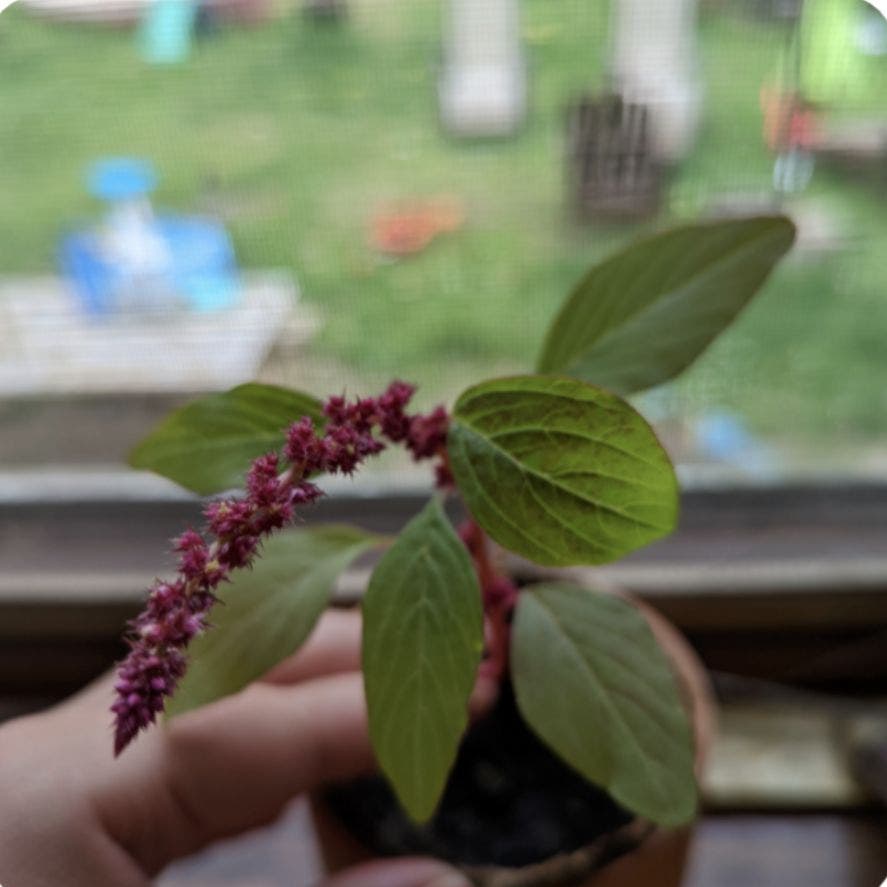
Best Practices for Repotting Prince-of-Wales Feather 🪶
Amaranthus hypochondriacus
By the Greg Editorial Team
Sep 29, 2024•6 min read
This article was created with the help of AI so we can cover more plants for you. May contain errors. See one? Report it here.
Revitalize your Prince-of-Wales Feather 🌱 with expert repotting tips for lush, thriving growth!
- 🌱 Signs like stunted growth indicate your Prince-of-Wales Feather needs repotting.
- 🛠️ Gather materials beforehand: new pot, soil, and tools for a smooth process.
- 🌞 Repot in spring or early summer for optimal growth and health.
Signs Indicating It's Time to Repot
🌱 Root System Assessment
Recognizing when your Prince-of-Wales Feather needs repotting starts with assessing its root system. If you notice roots growing out of the drainage holes or circling the pot, it's a clear sign of root-bound conditions.
To check for root health, gently remove the plant from its pot. Look for healthy, white roots; if you see brown, mushy roots, it’s time for a change.
📈 Growth Indicators
Stunted growth or yellowing fronds can indicate that your plant is struggling. If the soil dries out too quickly or you find yourself watering frequently without any improvement, these are also strong signals that repotting is necessary.
By paying attention to these signs, you can ensure your plant remains healthy and vibrant. Next, let’s explore the step-by-step guide to repotting your Prince-of-Wales Feather effectively.
Step-by-Step Guide to Repotting
Repotting your Prince-of-Wales Feather can seem daunting, but with the right approach, it’s a rewarding experience. Here’s a straightforward guide to help you through the process.
🛠️ Preparation
Gather Materials: Start by collecting a new pot, quality potting soil, and essential tools like a trowel and scissors. Having everything on hand makes the process smoother.
Choose the Right Time: Timing is key. Aim to repot during the growing season, ideally in spring or early summer, when your plant is most active.
🌱 Repotting Process
Remove the Plant from Its Current Pot:
- Gently loosen the soil around the edges to free the roots.
- Support the base of the fronds carefully to prevent any damage.
Inspect and Trim Roots:
- Look for any dead or damaged roots and remove them.
- If you notice excessively long roots, trim them back to promote healthy growth.
Select the New Pot:
- Choose a pot that is 1-2 inches larger in diameter than the previous one. This gives your plant room to grow without being overwhelmed.
Add Potting Soil:
- Fill the bottom of the new pot with a layer of potting soil. This foundation is crucial for drainage and root health.
Position the Plant:
- Center the plant in the new pot and fill in with more soil, ensuring it’s secure but not packed too tightly.
Water Thoroughly:
- After repotting, give your plant a good drink. The soil should be moist but not waterlogged, striking the right balance for optimal health.
Following these steps will set your Prince-of-Wales Feather up for success in its new home. Next, let’s explore the best pot materials to enhance your plant's growth.
Pot Material Options
Choosing the right pot material is crucial for the health of your Prince-of-Wales Feather. Each option has its own set of advantages and disadvantages that can impact your plant's growth.
🌟 Pros and Cons of Each Material
Ceramic
Ceramic pots are visually appealing and excellent at retaining moisture. However, they can be quite heavy and are prone to cracking if not handled carefully.
Plastic
Plastic pots are lightweight and budget-friendly, offering good drainage options. On the downside, they often lack aesthetic appeal and can retain too much heat, which may stress your plant.
Terracotta
Terracotta pots are breathable and help with moisture control, making them a popular choice. Yet, they can dry out quickly and are heavier than plastic options, which might be a consideration for larger plants.
🏆 Recommended Pot Materials for Optimal Growth
For optimal growth, terracotta is often the best choice due to its moisture control properties. If aesthetics are a priority, ceramic pots can elevate your plant's display.
Avoid non-breathable plastic pots, as they can lead to root rot and other health issues for your Prince-of-Wales Feather. Selecting the right pot material is a step toward ensuring your plant thrives.
As you consider your options, remember that the right pot can make all the difference in your plant's health and happiness. Now, let’s dive into soil and drainage considerations to further enhance your repotting success.
Soil and Drainage Considerations
🌱 Best Potting Soil Mixes
Choosing the right potting soil is crucial for your Prince-of-Wales Feather. A recommended mix is equal parts peat moss, perlite, and pine bark, which provides excellent aeration and moisture retention.
Maintaining a slightly acidic to neutral pH (6.0-7.0) is essential for optimal growth. This pH range ensures that your plant can absorb nutrients effectively.
🕳️ Importance of Drainage in Pot Selection
When selecting a pot, ensure it has adequate drainage holes. Good drainage prevents water from accumulating, which is vital for the health of your plant.
Poor drainage can lead to root rot, a common issue that can quickly jeopardize your plant's health. Always prioritize pots that allow excess water to escape.
🧪 Creating a Well-Draining Potting Mix
Creating a well-draining potting mix is straightforward. Follow these steps for a successful blend:
- Combine peat moss and perlite in equal parts.
- Add pine bark to enhance aeration.
- Adjust the pH if necessary using soil amendments.
This mix will provide your Prince-of-Wales Feather with the ideal environment to thrive. With the right soil and drainage, your plant will flourish, setting the stage for vibrant growth.
As you prepare for repotting, remember that the right soil and drainage are foundational to your plant's success. Next, let’s explore the various pot material options that can further enhance your repotting experience.
Post-Repotting Care
🌱 Acclimating the Plant After Repotting
After repotting, it's crucial to help your Prince-of-Wales Feather adjust. Start by placing it in a shaded area for a few days to minimize stress.
Gradually reintroduce the plant to its normal light conditions. This gentle transition helps prevent shock and promotes healthy growth.
💧 Watering Schedule Post-Repotting
Watering is key to successful acclimation. Initially, lightly water the plant to settle the soil around the roots.
Follow up by watering only when the top inch of soil feels dry. This approach prevents overwatering while ensuring your plant stays hydrated.
🚨 Signs of Stress to Watch For After Repotting
Keep an eye on your plant for signs of stress. Wilting fronds can indicate that your plant is struggling to adapt.
Other warning signs include yellowing leaves and dropping fronds. Address these issues promptly to support your plant's recovery.
By following these post-repotting care tips, you set the stage for your Prince-of-Wales Feather to thrive in its new home. Next, let’s explore the best pot material options to enhance your plant’s growth.
⚠️ Safety First
This content is for general information and may contain errors, omissions, or outdated details. It is not medical, veterinary advice, or an endorsement of therapeutic claims.
Always consult a qualified healthcare professional before using any plant as food, medicine, or supplement.
Never eat any plant (or feed one to pets) without confirming its identity with at least two trusted sources.
If you suspect poisoning, call Poison Control (800) 222-1222, the Pet Poison Helpline (800) 213-6680, or your local emergency service immediately.
Spotted an error? Please report it here.
Repot your Prince-of-Wales Feather for thriving growth 🌿 by using Greg's tailored reminders and expert tips to ensure a smooth transition into its new pot!