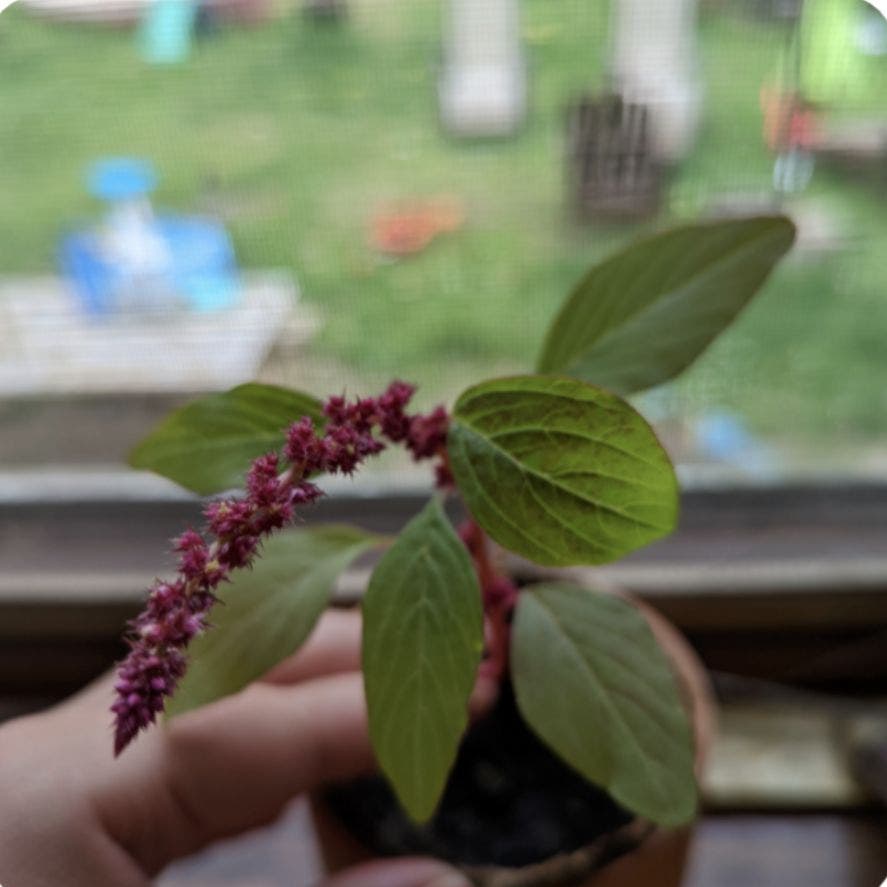
🪶 Prince-of-Wales Feather Is Not Considered a Weed
Amaranthus hypochondriacus
By the Greg Editorial Team
Sep 29, 2024•5 min read
This article was created with the help of AI so we can cover more plants for you. May contain errors. See one? Report it here.
Elevate your garden's beauty and biodiversity 🌱 with the resilient Prince-of-Wales Feather plant!
- 🌞 Prince-of-Wales Feather thrives in sunlight and well-drained soil, ensuring robust growth.
- 🌱 Supports biodiversity by providing habitat and food for various species in gardens.
- 🌿 Prevents soil erosion with its root system, enhancing soil health and stability.
Growth Habits
Typical Patterns in Gardens 🌱
The Prince-of-Wales Feather showcases feathery foliage that can reach heights of 1 to 3 feet. This plant thrives in full sunlight, preferring well-drained soil and moderate moisture levels for optimal growth.
Natural Limits and Spread Potential 🌍
This plant exhibits impressive drought tolerance and requires minimal maintenance, making it a resilient choice for gardens. It establishes itself effectively without overwhelming the surrounding landscape, allowing for a balanced ecosystem.
Seasonal Behaviors 🌸
Throughout the year, the Prince-of-Wales Feather undergoes distinct growth phases. It emerges in spring, flourishes during the summer, and enters a state of dormancy in winter, adapting well to seasonal changes and varying environmental conditions.
This adaptability not only enhances its appeal in gardens but also supports local biodiversity. As we explore its ecological role next, we’ll see how it contributes to the health of its surroundings.
Ecological Role
Benefits to Local Ecosystems 🌱
The Prince-of-Wales feather plays a vital role in supporting local biodiversity. It provides essential habitat and food sources for various species, creating a thriving ecosystem.
Additionally, this plant contributes significantly to soil health and stabilization. Its root system helps prevent erosion, ensuring that the soil remains rich and fertile.
Positive Interactions with Wildlife 🦋
One of the most delightful aspects of the Prince-of-Wales feather is its ability to attract beneficial insects and pollinators. Bees, butterflies, and other native fauna flock to its feathery foliage, enhancing the garden's vibrancy.
These interactions are crucial for ecosystem health. Pollinators support plant reproduction, which in turn sustains the food web, making this plant a key player in maintaining ecological balance.
The Prince-of-Wales feather not only beautifies gardens but also fosters a rich tapestry of life. As we explore its garden management next, consider how its ecological benefits can enhance your gardening experience.
Garden Management
Incorporating into Garden Designs 🌿
When planning your garden layout, consider placing the Prince-of-Wales Feather in borders or as part of mixed plantings. Its feathery foliage can serve as an eye-catching focal point, enhancing the overall aesthetic.
This plant thrives alongside a variety of companions, making it ideal for creating a diverse garden. Pair it with native grasses or flowering perennials to maximize visual appeal and ecological benefits.
Aesthetic Considerations for Growth Control ✂️
To maintain the desired size and shape, regular pruning is essential. Spacing is also crucial; ensure plants have enough room to breathe and flourish without overcrowding.
These techniques not only control growth but also enhance the visual appeal of your garden. A well-managed garden can be both beautiful and healthy.
Maintenance Tips for Optimal Health 💧
Watering is vital, especially during dry spells. Aim for consistent moisture, but avoid waterlogging; the Prince-of-Wales Feather prefers well-drained soil.
Fertilization should focus on balanced nutrients, applied during the growing season. Regular monitoring for pests will help you catch any issues early, and natural deterrents can keep your garden thriving without harsh chemicals.
Incorporating these management strategies will ensure your Prince-of-Wales Feather remains a vibrant part of your garden. Next, let’s explore its ecological role and the benefits it brings to local ecosystems.
Comparison to Other Plants
🌱 Similar Non-Invasive Plants
When considering companions for the Prince-of-Wales Feather, several non-invasive plants shine. Native grasses, flowering perennials, and shrubs can create a harmonious garden ecosystem.
- Native Grasses: These add texture and movement, complementing the feathery foliage beautifully.
- Flowering Perennials: They provide vibrant colors and attract pollinators, enhancing biodiversity.
- Shrubs: Offering structure and height, they can frame the delicate appearance of the Prince-of-Wales Feather.
🌟 Unique Qualities
The Prince-of-Wales Feather stands out with its distinctive feathery foliage. This unique growth habit allows it to adapt seamlessly to various garden styles, from modern to cottage gardens.
Its ecological benefits are noteworthy as well. Unlike many plants, it thrives without overwhelming its neighbors, promoting a balanced ecosystem. This adaptability makes it a favorite among gardeners looking to create a sustainable landscape.
In comparison to similar plants, the Prince-of-Wales Feather not only offers aesthetic appeal but also supports local wildlife. Its ability to coexist peacefully with other flora makes it a valuable addition to any garden.
As we explore garden management strategies, understanding how to incorporate these plants effectively will enhance your gardening experience.
Legal and Environmental Considerations
📜 Relevant Classifications and Guidelines
When incorporating the Prince-of-Wales feather into your garden, it's essential to be aware of local regulations. Many regions have guidelines that promote sustainable gardening practices, ensuring that non-invasive plants like this one are maintained responsibly.
Adhering to these guidelines not only helps protect local ecosystems but also fosters a sense of community responsibility among gardeners. By following the rules, you contribute to a healthier environment for everyone.
🌱 Sustainable Gardening Practices
Incorporating the Prince-of-Wales feather aligns perfectly with eco-friendly gardening approaches. This plant thrives in various conditions, making it an excellent choice for sustainable landscapes.
Using native plants, such as the Prince-of-Wales feather, enhances biodiversity and supports local wildlife. This practice not only beautifies your garden but also contributes to conservation efforts.
🌍 Environmental Impact
The Prince-of-Wales feather plays a vital role in supporting local ecosystems and biodiversity. Its presence can attract beneficial insects and provide habitats for various species, enriching the garden's ecological balance.
Maintaining non-invasive plants like this one offers long-term benefits. They help stabilize soil, improve air quality, and promote a thriving environment for future generations.
As you plan your garden, consider how these plants can positively impact your local ecosystem. Embracing non-invasive species is a step toward a more sustainable and vibrant garden.
⚠️ Safety First
This content is for general information and may contain errors, omissions, or outdated details. It is not medical, veterinary advice, or an endorsement of therapeutic claims.
Always consult a qualified healthcare professional before using any plant as food, medicine, or supplement.
Never eat any plant (or feed one to pets) without confirming its identity with at least two trusted sources.
If you suspect poisoning, call Poison Control (800) 222-1222, the Pet Poison Helpline (800) 213-6680, or your local emergency service immediately.
Spotted an error? Please report it here.
Transform your garden with the stunning Prince-of-Wales Feather 🌱, and let Greg provide tailored care reminders to help you cultivate a thriving, eco-friendly space!