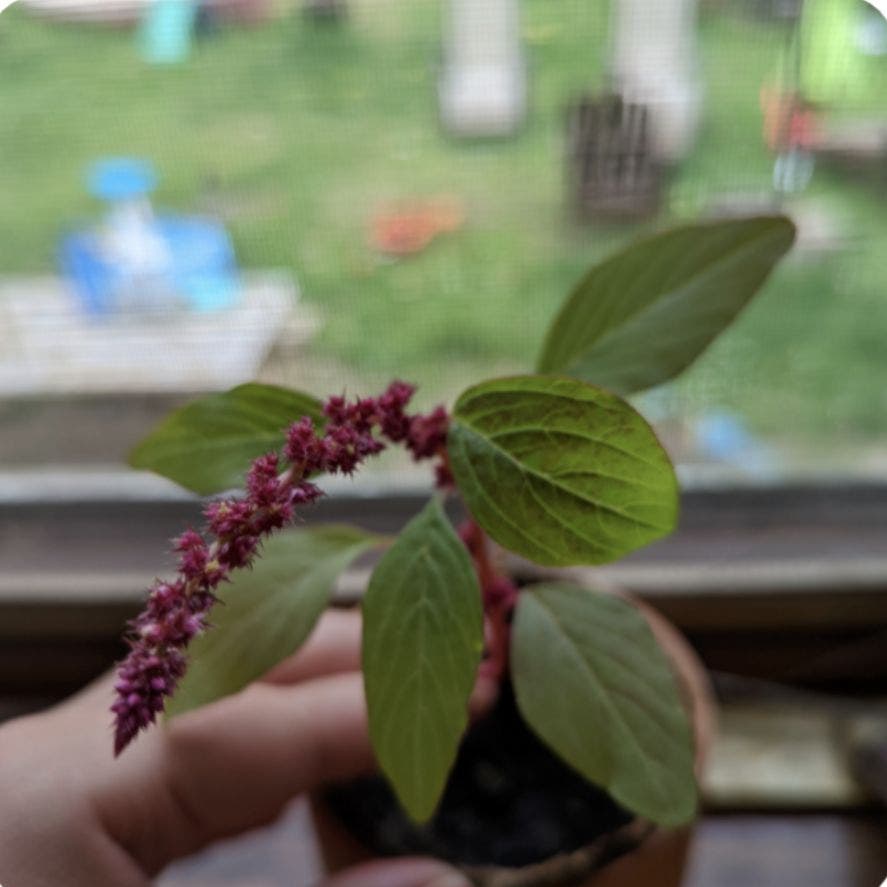
Dealing with Droopy Leaves on Your Prince-of-Wales Feather 🪶
Amaranthus hypochondriacus
By the Greg Editorial Team
Sep 29, 2024•5 min read
This article was created with the help of AI so we can cover more plants for you. May contain errors. See one? Report it here.
Transform your droopy Prince-of-Wales Feather 🌿 into a thriving beauty with these essential care tips for lush leaves!
- 💧 Droopy leaves indicate overwatering, underwatering, or poor drainage—assess your care routine.
- 🌡️ Ideal conditions: 20-25°C temperature and 50%+ humidity for healthy growth.
- 🐛 Inspect for pests regularly; treat infestations promptly to maintain plant health.
Causes of Droopy Leaves
💧 Overwatering
Overwatering is a common culprit behind droopy leaves. Symptoms include yellowing leaves and soggy soil, which can lead to root rot and ultimately drooping.
🚰 Underwatering
On the flip side, underwatering can also cause distress. Look for dry, crispy leaf edges; this indicates a lack of moisture, making the leaves droop.
🕳️ Poor Soil Drainage
Poor soil drainage can suffocate roots. If you notice water pooling on the surface, it’s a sign that your plant's roots are struggling to breathe.
🌪️ Environmental Stress
Environmental factors play a significant role in plant health. The ideal temperature range for your Prince-of-Wales Feather is between 20°C to 25°C (68°F to 77°F), and it thrives in high humidity—50% or more. Sudden changes in these conditions can lead to drooping.
🐜 Pest Infestations
Pests can wreak havoc on your plant's health. Common offenders like spider mites and aphids may leave visible signs, such as webbing on leaves, leading to weakened plants and drooping leaves.
Understanding these causes is the first step in reviving your plant. Next, let's explore how to diagnose the specific problem affecting your Prince-of-Wales Feather.
Diagnosing the Problem
Assessing Watering Habits 🌊
To start diagnosing droopy leaves, check the soil moisture. You can use a moisture meter or simply stick your finger into the soil.
Water your Prince-of-Wales Feather only when the top inch of soil feels dry. This helps prevent both overwatering and underwatering, which are common culprits.
Evaluating Light Conditions ☀️
Next, evaluate the light conditions. Your plant thrives in indirect sunlight for about 6-8 hours daily.
If you notice leaf scorch or browning tips, it might be getting too much light. Adjust its position to ensure it gets the right amount.
Checking Humidity Levels 💧
Humidity plays a crucial role in your plant's health. Use a hygrometer to measure the humidity around your Prince-of-Wales Feather.
Aim for a humidity level of 50% or higher. If it’s too low, consider ways to boost it.
Inspecting for Pests 🐛
Pests can also lead to drooping leaves. Conduct a visual inspection for any signs of infestation on the leaves and stems.
If you spot pests, treat them with insecticidal soap or neem oil. Regular monitoring can help catch reinfestations early.
Soil Condition Analysis 🌱
Finally, analyze the soil condition. Ensure that the soil is well-draining and not compacted.
Using a mix of potting soil and perlite can improve drainage. This is essential for healthy root development and overall plant vitality.
By systematically assessing these factors, you can pinpoint the cause of droopy leaves and take appropriate action. Next, let’s explore how to alleviate those droopy leaves effectively.
Alleviating Droopy Leaves
Immediate Care Steps 🌱
Adjusting Watering Schedule
- Start by determining your current watering frequency.
- Modify your routine to water only when the top inch of soil feels dry.
- Always use room temperature water to prevent shocking the roots.
Improving Drainage
- If drainage is an issue, consider repotting your plant with a well-draining soil mix.
- Ensure that your pot has adequate drainage holes to allow excess water to escape.
- You might also want to add perlite or sand to the soil mix for better aeration.
Increasing Humidity 💧
- To boost humidity, place a humidifier near your Prince-of-Wales Feather.
- Grouping plants together can create a beneficial microclimate.
- Regularly mist the leaves, especially during dry spells, to keep them hydrated.
Pruning Damaged Leaves ✂️
- Use clean, sharp scissors to prune any severely damaged or yellowing leaves.
- Dispose of the cuttings properly to avoid attracting pests.
Treatment for Pests 🐛
- Identify any pests present and apply the appropriate treatment.
- Keep a close eye on your plant for signs of reinfestation to ensure long-term health.
By following these immediate care steps, you can help your Prince-of-Wales Feather bounce back from droopy leaves. Next, let’s explore how to prevent future issues to keep your plant thriving.
Preventing Future Issues
Best Practices for Watering 🌊
Establishing a consistent watering schedule is key to keeping your Prince-of-Wales Feather healthy. Adjust your routine based on seasonal changes to ensure your plant gets just the right amount of moisture.
Ideal Light Conditions ☀️
Position your plant in a spot with filtered light to prevent leaf scorch. Rotating the plant periodically will help it grow evenly, ensuring all sides receive adequate light.
Maintaining Humidity Levels 💧
Regularly check humidity levels around your plant. If it dips below 50%, consider using a humidifier or grouping plants together to create a more humid microclimate.
Regular Soil Checks 🕵️♂️
Inspect the soil every few months for signs of compaction or drainage issues. A well-aerated soil mix is crucial for healthy root development.
Seasonal Care Adjustments 🍂
Adjust your care routines according to the seasons. For instance, reduce watering in winter when the plant's growth slows down, helping to prevent droopy leaves.
By following these preventive measures, you can maintain a thriving Prince-of-Wales Feather and enjoy its lush foliage for years to come. Next, let’s explore how to effectively treat any pests that may threaten your plant’s health.
⚠️ Safety First
This content is for general information and may contain errors, omissions, or outdated details. It is not medical, veterinary advice, or an endorsement of therapeutic claims.
Always consult a qualified healthcare professional before using any plant as food, medicine, or supplement.
Never eat any plant (or feed one to pets) without confirming its identity with at least two trusted sources.
If you suspect poisoning, call Poison Control (800) 222-1222, the Pet Poison Helpline (800) 213-6680, or your local emergency service immediately.
Spotted an error? Please report it here.
Keep your Prince-of-Wales Feather perky 🌱 by mastering watering, humidity, and pest control with Greg's tailored care tips and reminders for thriving plants!