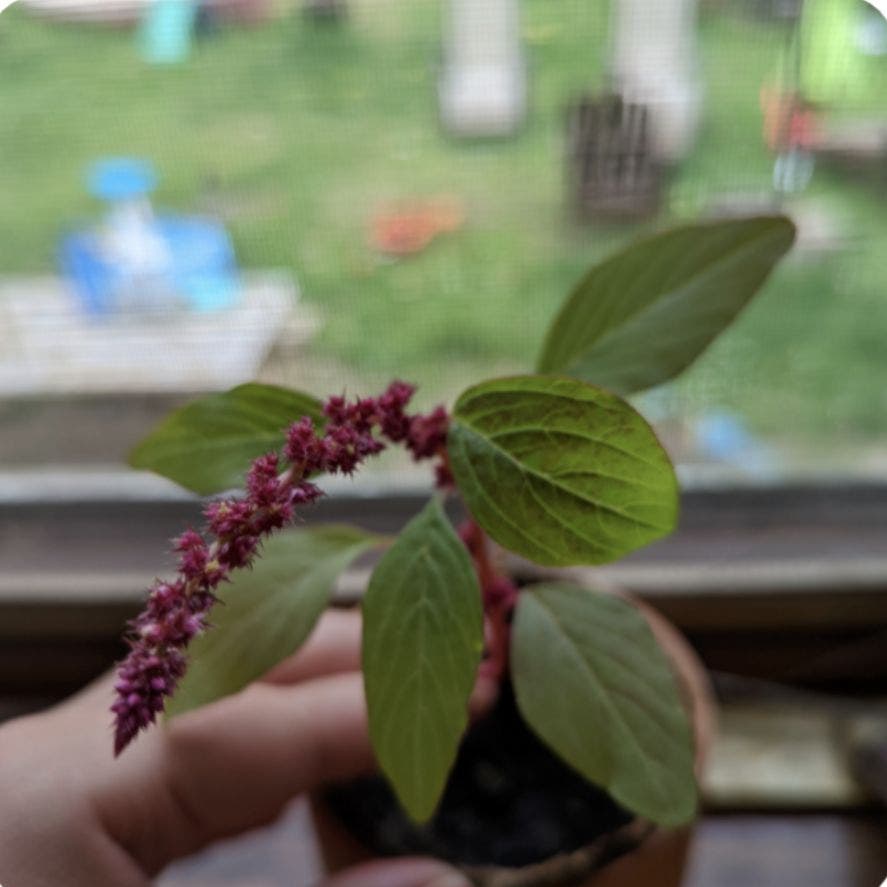
🪶 How to Fix Curling Leaves on Your Prince-of-Wales Feather
Amaranthus hypochondriacus
By the Greg Editorial Team
Sep 29, 2024•6 min read
This article was created with the help of AI so we can cover more plants for you. May contain errors. See one? Report it here.
Rescue your curling leaves 🌿 with expert tips to keep your Prince-of-Wales Feather thriving and beautiful!
- 🌱 Leaf curl is caused by stress, pests, or nutrient issues. Identify the root cause!
- 💧 Maintain humidity between 60-80% and ideal temperatures for optimal health.
- 🌞 Provide indirect light to prevent leaf scorching and promote healthy growth.
Common Causes of Leaf Curl
🌬️ Environmental Stress
Leaf curl can often be traced back to environmental stressors. Humidity levels play a crucial role; too low can lead to crispy leaves, while too high can promote mold.
Temperature fluctuations also affect your plant's health. Ideally, keep your Prince-of-Wales Feather in a stable environment, avoiding extreme heat or cold.
Light exposure is another factor. Too much direct sunlight can scorch leaves, while too little can stunt growth.
🐜 Pests and Diseases
Pests like spider mites and aphids are notorious for causing leaf curl. These tiny invaders suck the sap from your plant, leading to distorted leaves and overall decline.
Fungal infections can also be a culprit. Look for signs like discoloration or unusual spots, as these can indicate a more serious issue.
🧪 Fertilizer Issues
Over-fertilization can lead to nutrient burn, causing leaves to curl and turn brown. It's essential to follow recommended guidelines for feeding your plant.
Conversely, nutrient deficiencies can also result in leaf curl. Yellowing leaves or stunted growth are signs that your plant may need a balanced fertilizer to thrive.
Understanding these common causes is the first step in addressing leaf curl effectively. Next, we'll explore how to diagnose the problem accurately.
Diagnosing the Problem
Identifying Symptoms of Leaf Curl 🌿
When your Prince-of-Wales Feather shows signs of distress, the first thing to look for is leaf curl. You might notice curled, distorted, or yellowing leaves, which are clear indicators that something's off.
Additionally, pay attention to the frond texture. If they appear crispy or dry, it’s a strong signal that your plant needs immediate attention.
Assessing Environmental Conditions 🌡️
Next, evaluate the environmental conditions surrounding your plant. Start by measuring humidity levels; the ideal range for your Prince-of-Wales Feather is between 60-80%.
Temperature is another critical factor. Aim for an optimal range of 20°C to 30°C (68°F to 86°F) to keep your plant thriving.
Lastly, check the light exposure. Ensure your plant is receiving indirect light, as too much direct sunlight can exacerbate leaf curling.
Checking for Pests and Diseases 🐛
Pests can also be a culprit behind curling leaves. Common offenders include spider mites and aphids, which can wreak havoc on your plant's health.
Look for signs of infestation, such as webbing, sticky residue, or visible insects. These indicators can help you catch a problem before it escalates.
Don’t forget about diseases, particularly fungal infections. Recognizing symptoms like discoloration or unusual spots on the leaves can help you take action quickly.
By carefully diagnosing these issues, you can set the stage for effective solutions. Next, let’s explore how to address the problems causing those curling leaves.
Solutions for Curling Leaves
🌬️ Adjusting Humidity Levels
Humidity plays a crucial role in keeping your Prince-of-Wales feather healthy. To boost humidity, consider using pebble trays filled with water, a humidifier, or simply misting the leaves regularly.
Maintaining ideal humidity levels requires daily checks. Aim for a range of 60-80% to keep your plant thriving.
💧 Modifying Watering Practices
Proper watering is essential for preventing leaf curl. Ensure the soil remains consistently moist but avoid waterlogging, which can lead to root rot.
Adjust your watering frequency based on environmental conditions. Factors like temperature and humidity will dictate how often you should water.
🐞 Treating Pest Infestations
Pests can wreak havoc on your plant's health. Use a magnifying glass for close inspection to identify common culprits like spider mites and aphids.
For treatment, consider options like insecticidal soap or neem oil. Introducing beneficial insects can also help manage pest populations naturally.
🌱 Correcting Nutrient Deficiencies
Nutrient deficiencies can manifest as yellowing leaves or stunted growth. Recognizing these signs early is key to restoring your plant's health.
Use balanced NPK fertilizers to address nutrient issues. Apply them every 4-6 weeks during the growing season for optimal results.
By implementing these solutions, you can effectively combat curling leaves on your Prince-of-Wales feather. With a little care and attention, your plant can flourish beautifully.
Preventative Measures
Best Practices for Care 🌱
Regularly monitoring humidity and temperature levels is essential for your Prince-of-Wales Feather. Aim for humidity between 60-80% and temperatures between 20°C to 30°C (68°F to 86°F) to keep your plant thriving.
Proper watering techniques can prevent both over and under-watering. Always check the soil moisture before watering to ensure it’s just right.
Seasonal Care Tips 🌦️
Adjust your care routines based on seasonal changes. In winter, reduce watering frequency, while in summer, you may need to increase it due to higher evaporation rates.
Repotting and refreshing the soil annually is crucial for maintaining soil health. This practice helps replenish nutrients and provides room for growth.
Monitoring Plant Health Regularly 🔍
Conduct weekly inspections for signs of stress or pest presence. Early detection can save your plant from more severe issues down the line.
Keeping a care journal is a great way to track changes and adjustments. Documenting your plant's health and care routines can help you identify patterns and improve your care strategy over time.
By implementing these preventative measures, you can create a nurturing environment for your Prince-of-Wales Feather, ensuring it remains healthy and vibrant. Next, let's explore long-term care strategies to sustain its growth and beauty.
Long-term Care Strategies
🌱 Ideal Growing Conditions
Creating the perfect environment is crucial for your Prince-of-Wales feather. Aim for a temperature range of 20°C to 30°C (68°F to 86°F) and maintain humidity levels between 60% and 80%.
Light Preferences
This plant thrives in indirect light. Direct sunlight can scorch its delicate leaves, so find a bright spot that filters the sun’s rays.
🌿 Recommended Soil Types and Amendments
Choosing the right soil is essential for healthy growth. Opt for a well-draining, organic potting mix to ensure proper moisture retention without waterlogging.
Importance of Soil Amendments
Adding perlite or peat moss can enhance aeration and drainage. These amendments help create a balanced environment for root development.
🌼 Fertilization Schedule
Regular fertilization supports robust growth. Aim to fertilize every 4-6 weeks during the growing season to provide essential nutrients.
Types of Fertilizers
Consider using slow-release fertilizers for steady nutrient supply or liquid options for quick absorption. Each type has its benefits, so choose based on your plant's needs.
By following these long-term care strategies, you can ensure your Prince-of-Wales feather remains healthy and vibrant. Next, let’s explore preventative measures to keep your plant thriving year-round.
⚠️ Safety First
This content is for general information and may contain errors, omissions, or outdated details. It is not medical, veterinary advice, or an endorsement of therapeutic claims.
Always consult a qualified healthcare professional before using any plant as food, medicine, or supplement.
Never eat any plant (or feed one to pets) without confirming its identity with at least two trusted sources.
If you suspect poisoning, call Poison Control (800) 222-1222, the Pet Poison Helpline (800) 213-6680, or your local emergency service immediately.
Spotted an error? Please report it here.
Keep your Prince-of-Wales Feather thriving 🌿 by using Greg for tailored reminders and care tips that prevent curling leaves and ensure a happy, healthy plant!