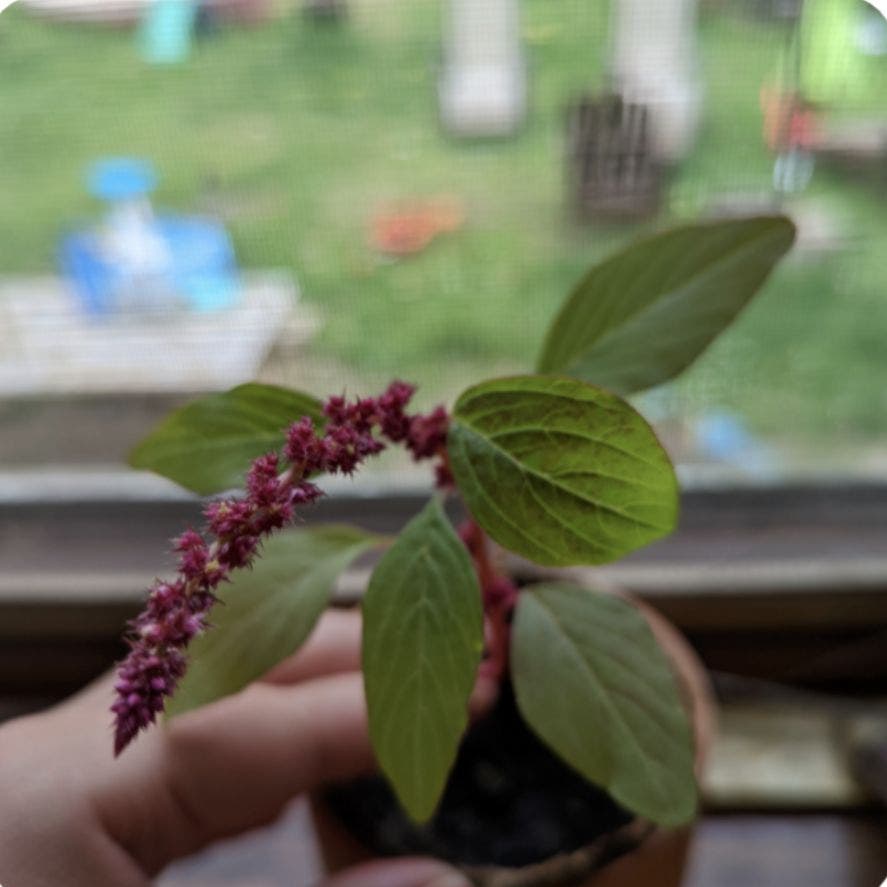
Managing Direct Sunlight for Your Prince-of-Wales Feather ☀️
Amaranthus hypochondriacus
By the Greg Editorial Team
Sep 29, 2024•3 min read
This article was created with the help of AI so we can cover more plants for you. May contain errors. See one? Report it here.
Unlock vibrant growth for your Prince-of-Wales Feather 🌿 by mastering its sunlight needs and avoiding common pitfalls!
- 🌳 Prince-of-Wales Feather thrives in indirect sunlight, mimicking its natural shaded habitat.
- ☀️ Limit direct sunlight exposure to 1-2 hours to prevent browning and wilting.
- 📏 Use a light meter to measure intensity and adjust your plant's location accordingly.
Sunlight Requirements of Prince-of-Wales Feather
🌤️ Ideal Light Conditions
The Prince-of-Wales Feather thrives in indirect sunlight, mirroring its natural habitat in shaded forests. For optimal growth, aim for bright, filtered light that nourishes without overwhelming.
☀️ Tolerance Levels for Direct Sunlight
While this fern has a limited tolerance for direct sunlight, it can manage brief exposures. Ideally, restrict direct sunlight to just 1-2 hours in the morning to keep your plant happy.
🔥 Effects of Too Much Direct Sunlight
Overexposure to sunlight can lead to noticeable symptoms like browning tips on fronds, wilting, and leaf scorch. In the long run, too much sun can stunt growth and even threaten the plant's survival.
Understanding these sunlight requirements is crucial for keeping your Prince-of-Wales Feather healthy and vibrant. Next, let’s explore how environmental factors, like window direction, can impact your plant's light exposure.
Environmental Factors
Role of Window Direction 🌞
When it comes to the Prince-of-Wales Feather, window direction plays a crucial role in its health.
- South-facing windows receive the most direct sunlight, which can be too intense for this fern.
- East-facing windows offer gentle morning sunlight, making them suitable for limited exposure.
- West-facing windows provide intense afternoon sun, potentially harming the plant without proper protection.
- North-facing windows generally offer indirect light, creating an ideal environment for this fern to thrive.
Impact of Hemisphere on Sunlight Intensity 🌍
Understanding your hemisphere can significantly affect how you care for your Prince-of-Wales Feather.
In the Northern Hemisphere, the sun is lower in the sky during winter, leading to varying light intensity throughout the seasons.
Conversely, in the Southern Hemisphere, the seasonal patterns are opposite, making it essential to grasp local conditions for optimal plant care.
By recognizing these environmental factors, you can create the best possible conditions for your fern, ensuring it remains vibrant and healthy.
Practical Tips for Plant Parents
Assessing Sunlight Conditions 🌞
To ensure your Prince-of-Wales Feather thrives, start by measuring light intensity. A light meter or a smartphone app can provide accurate readings, helping you gauge whether your plant is getting the right amount of light.
Additionally, pay attention to your plant's behavior. If the fronds are stretching towards the light, it’s a clear sign that your fern may need more exposure.
Signs of Sunlight Issues 🚨
Recognizing sunlight issues early can save your plant from stress. If you notice yellowing leaves, crispy edges, or drooping fronds, your fern might be getting too much sunlight.
Conversely, if growth is slow, the plant looks leggy, or the fronds appear pale, it’s likely not receiving enough light.
Adjusting Plant Placement 🔄
Adjusting your plant's location can make a world of difference. Start by identifying the current light conditions in your home.
Next, move your Prince-of-Wales Feather to a more suitable spot, such as transitioning from a south-facing to an east-facing window.
Finally, monitor your plant over the next few weeks to see how it responds to its new environment.
By following these practical tips, you can create the ideal conditions for your fern to flourish. Now, let’s explore how environmental factors can further influence your plant's health.
⚠️ Safety First
This content is for general information and may contain errors, omissions, or outdated details. It is not medical, veterinary advice, or an endorsement of therapeutic claims.
Always consult a qualified healthcare professional before using any plant as food, medicine, or supplement.
Never eat any plant (or feed one to pets) without confirming its identity with at least two trusted sources.
If you suspect poisoning, call Poison Control (800) 222-1222, the Pet Poison Helpline (800) 213-6680, or your local emergency service immediately.
Spotted an error? Please report it here.
Keep your Prince-of-Wales Feather thriving 🌿 by using Greg's tailored light monitoring tips to create the perfect environment for your fern!